Entertainment
Entertainment news, movies, and celebrities
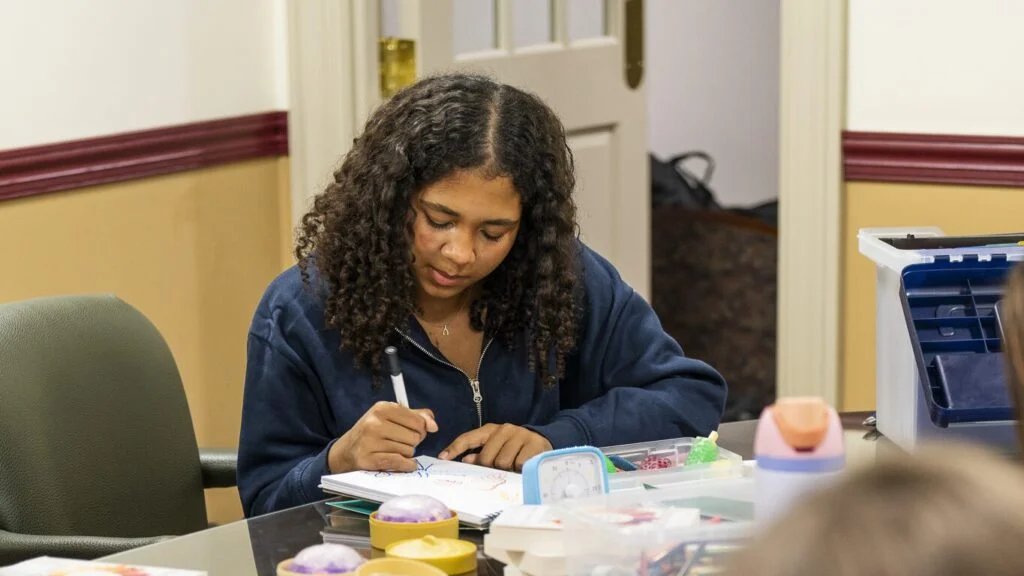
Frustrated by teens' online struggles, educators and young people are launching grassroots digital detox efforts that move faster than institutions can respond.
November 13, 2026
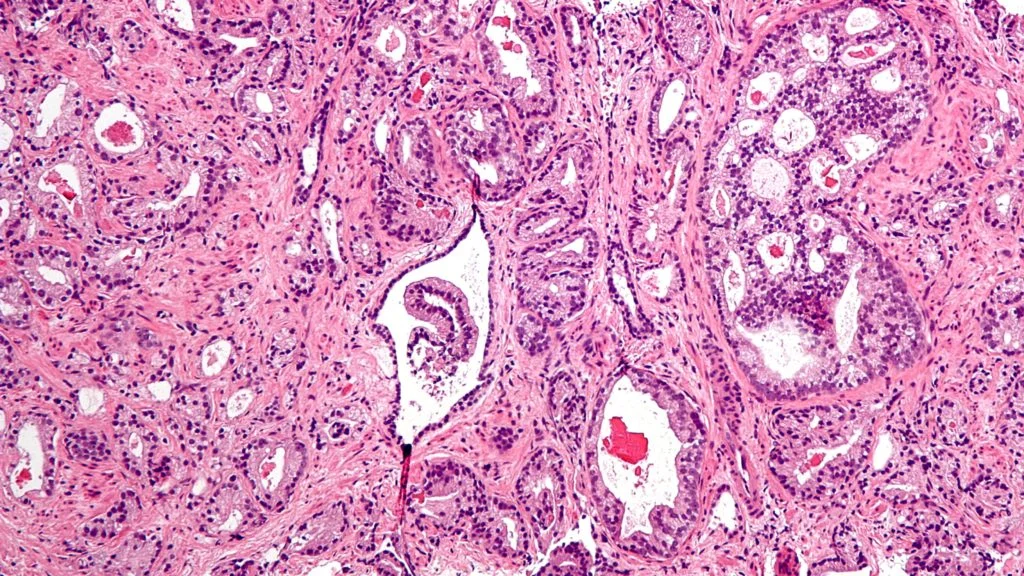
The American Cancer Society now recommends PSA testing at 50 for average-risk men and at 45 for higher-risk groups, a shift tied to new evidence on prostate cancer deaths.
November 12, 2026
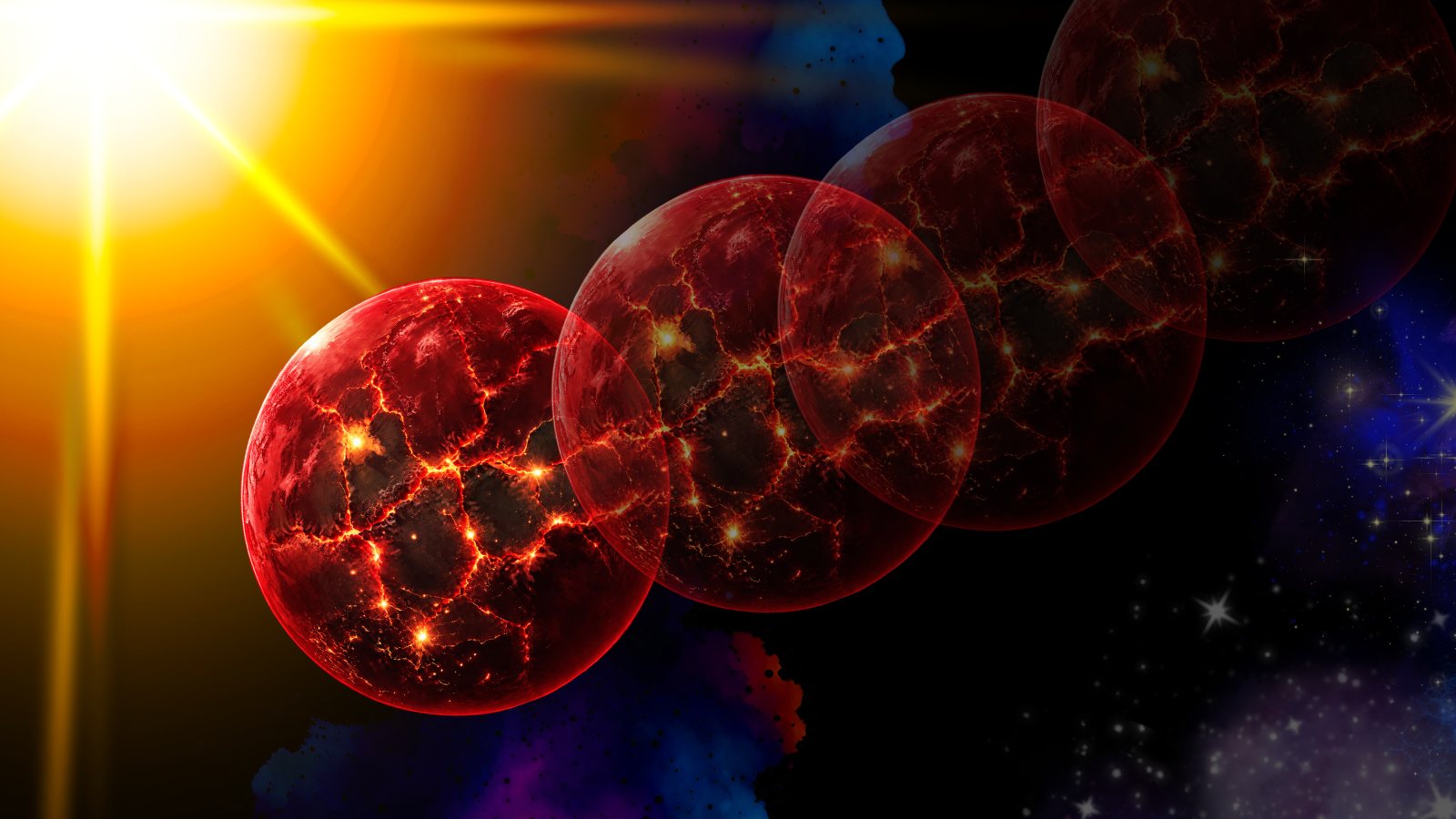
An unseen companion planet pulled TOI-2535 b out of its transit path, explaining seven years of irregular timing and the sudden disappearance of its signal.
November 10, 2026
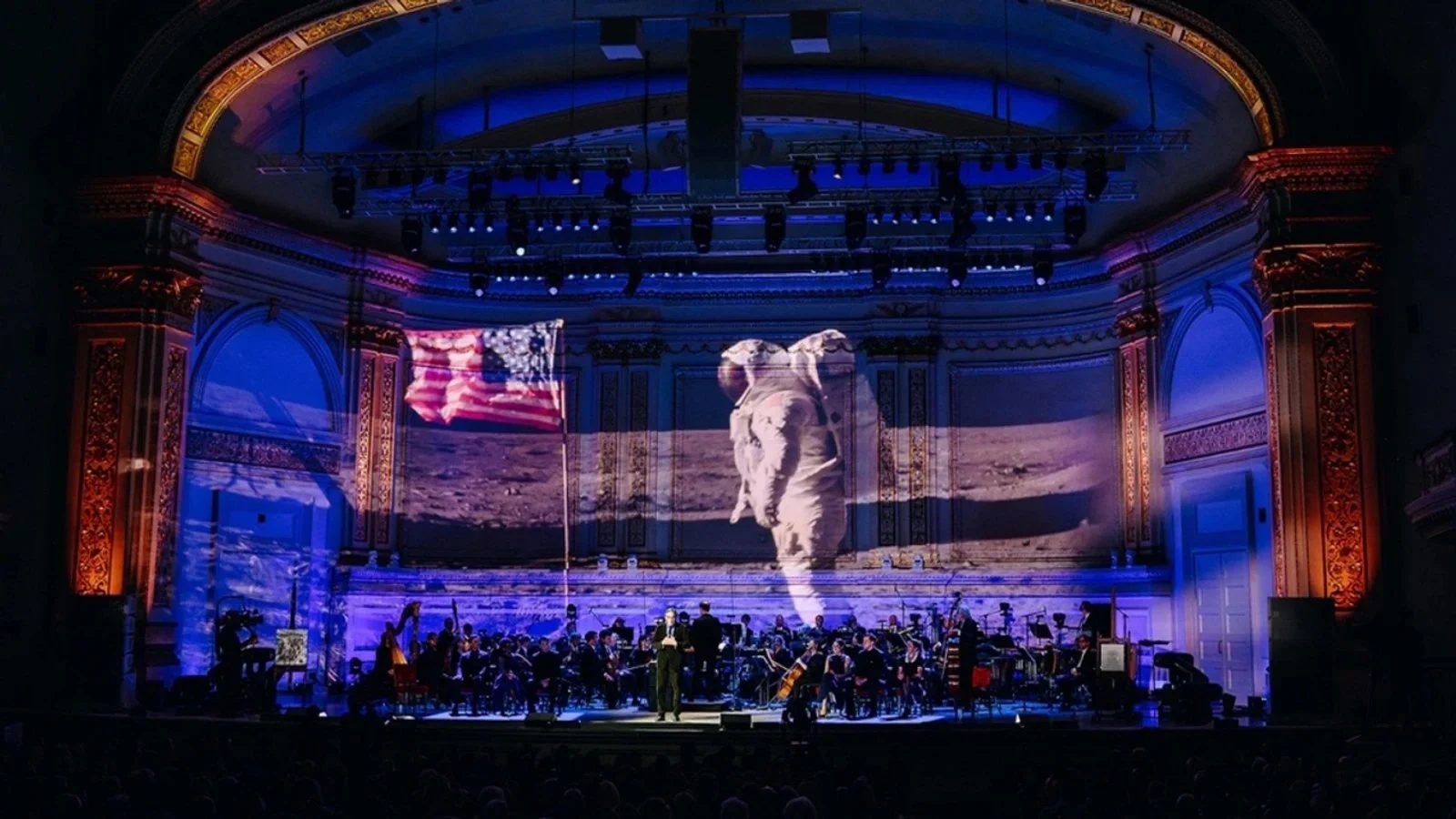
John Monsky's Carnegie Hall stage show airs on PBS on Nov. 10, 2026, mixing a live orchestra, archival footage, and Apollo-era voices.
November 10, 2026
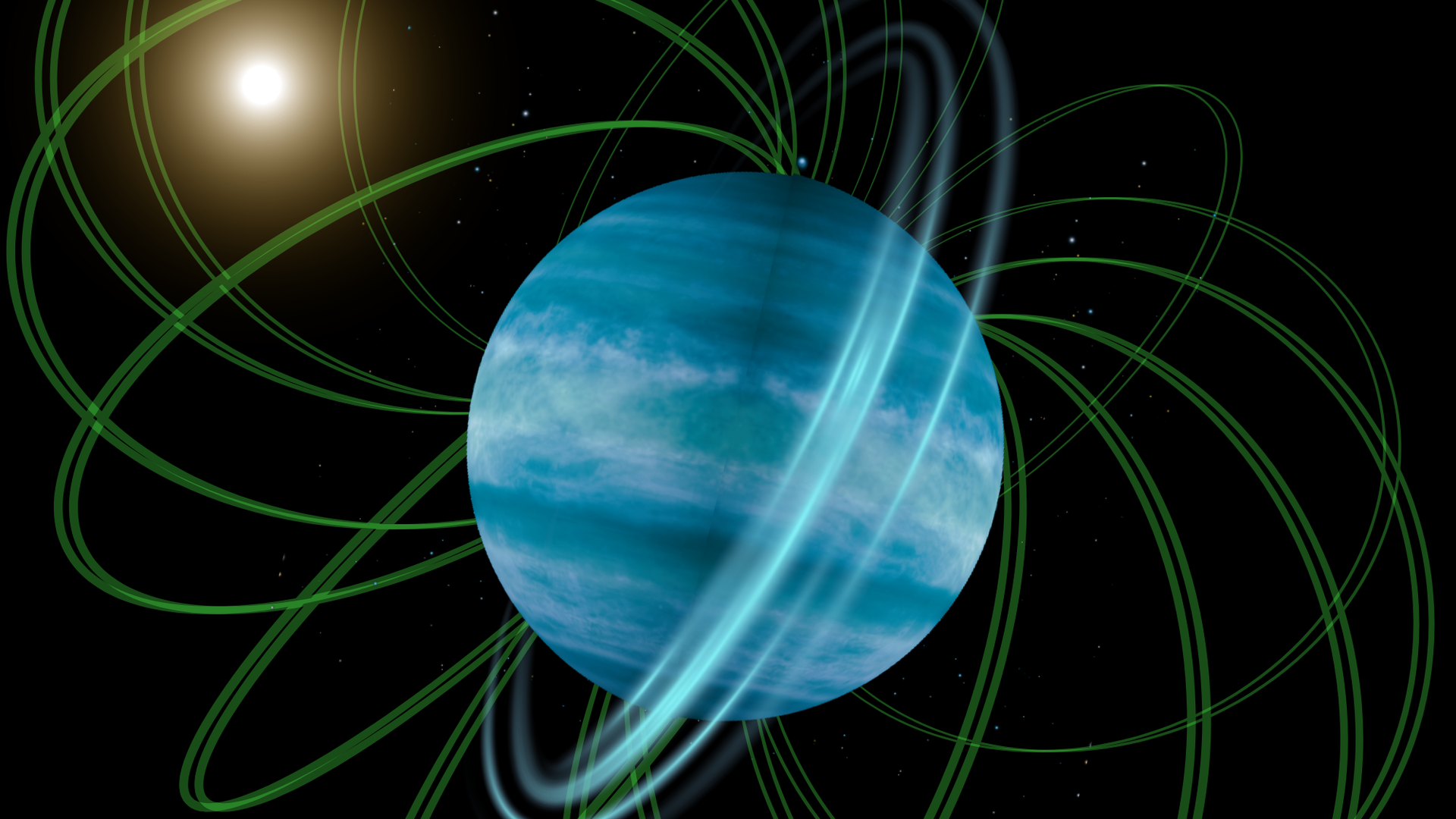
Simulations suggest the tilted, off-center magnetic fields of Uranus and Neptune come from water turning electrically conductive under crushing interior pressure.
November 10, 2026
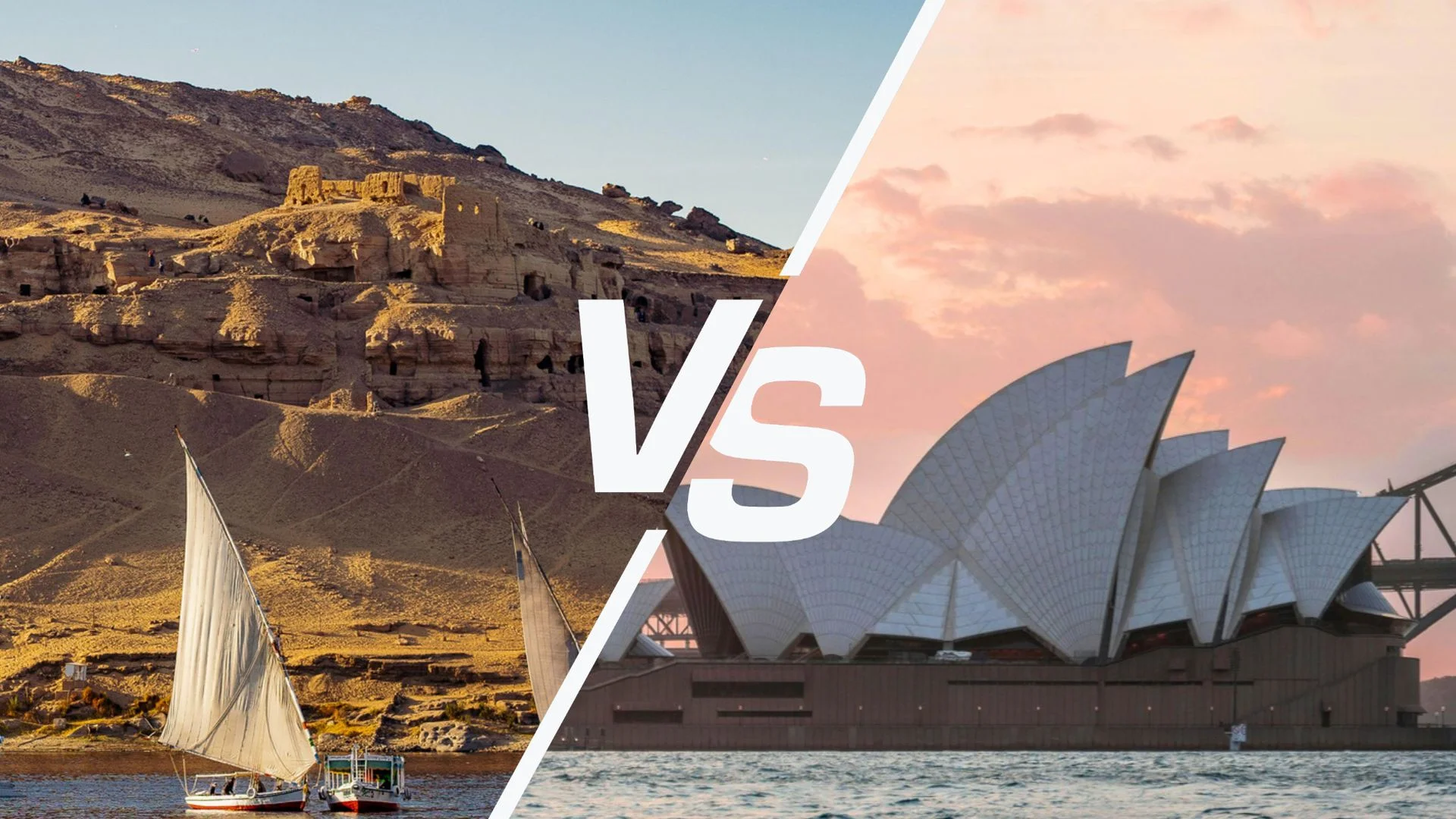
Egypt's 2027 eclipse offers over six minutes of totality and strong clear-sky odds. The 2028 event trades some duration for Sydney, the Outback and a southern night sky.
November 10, 2026
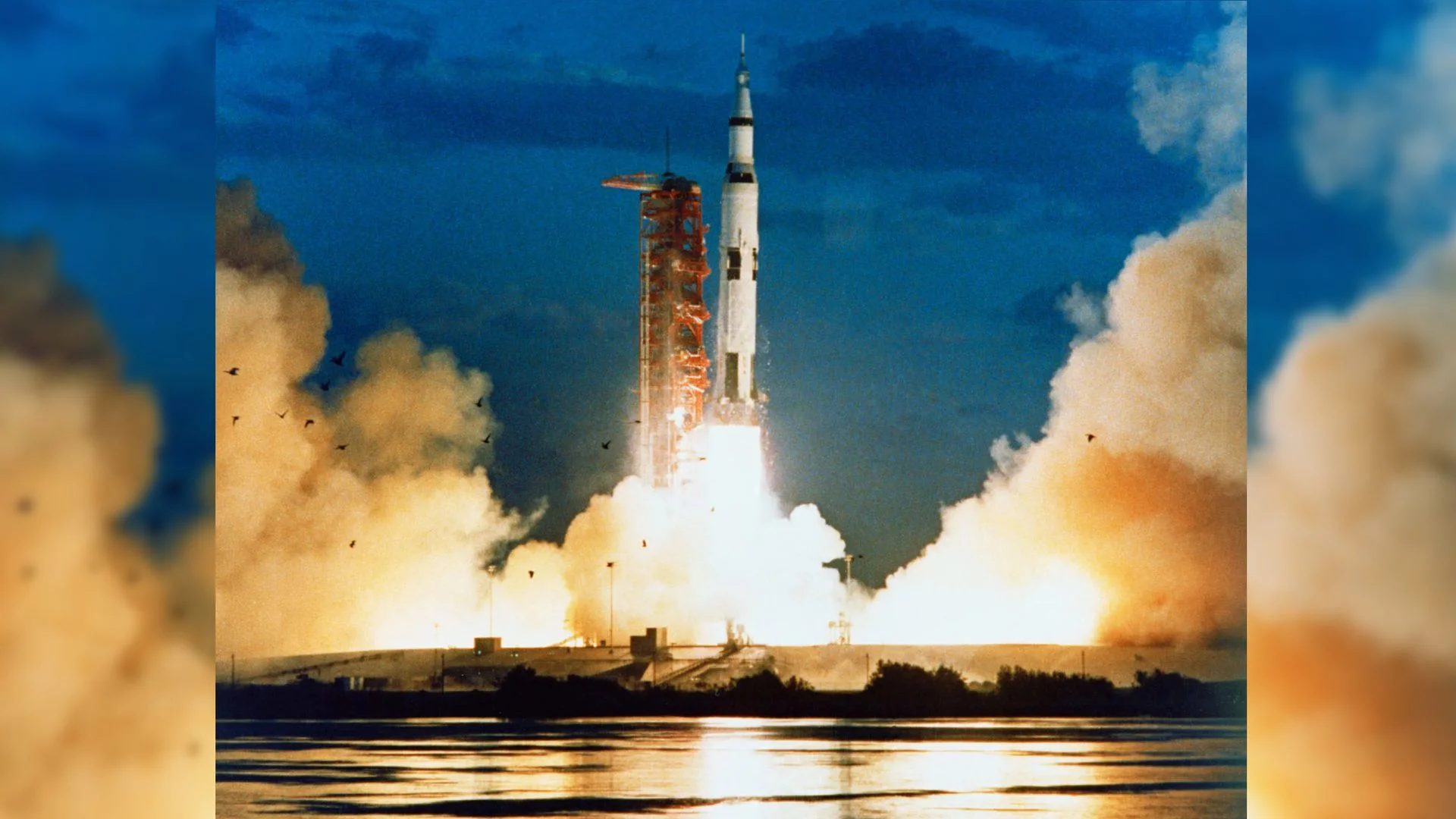
Apollo 4's uncrewed Saturn V launch in November 1967 was a clean test for NASA's moon program, still reeling from the Apollo 1 fire.
November 09, 2026
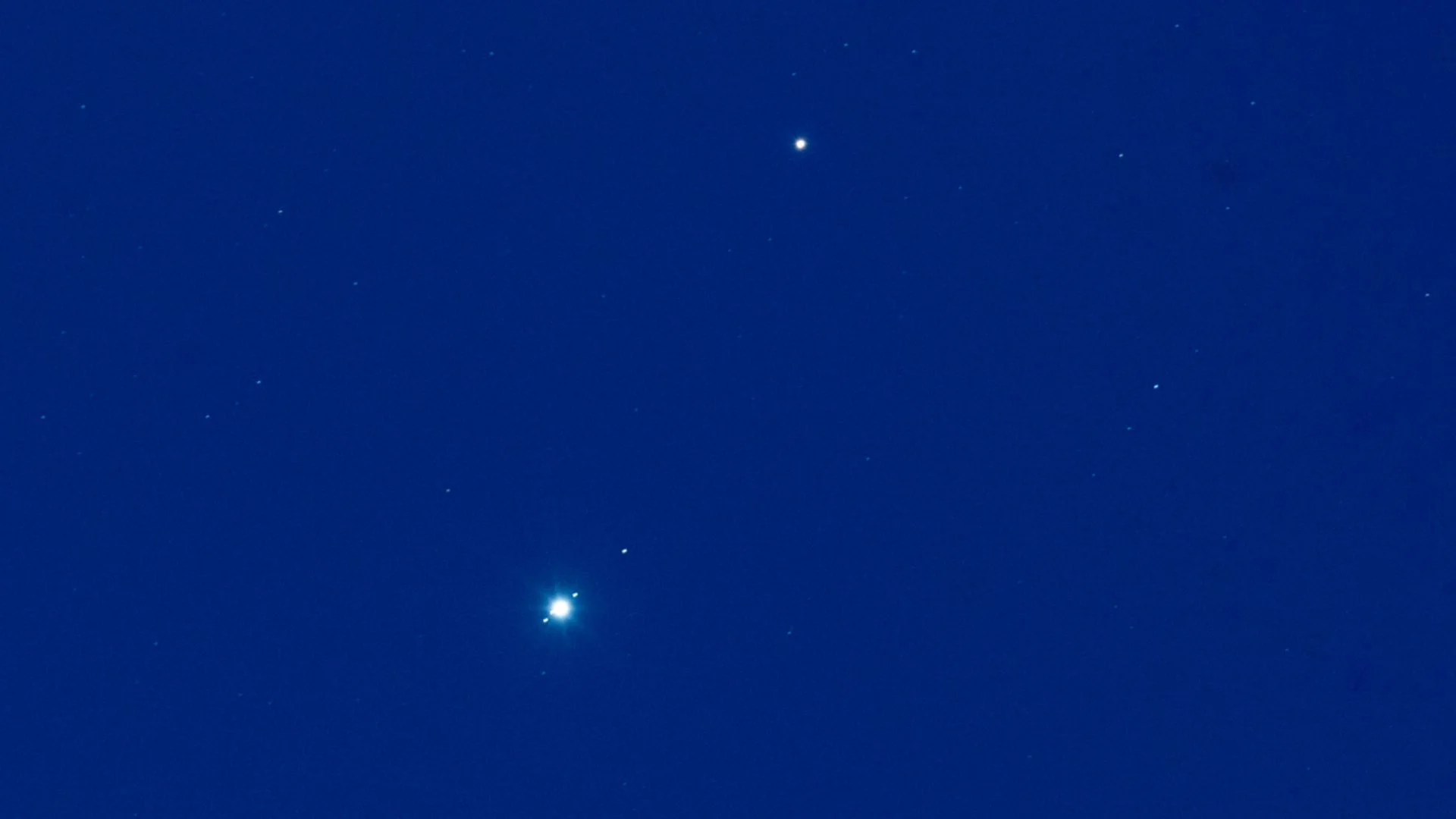
Jupiter and Mars pass about a finger-width apart in Leo on Nov. 15. Jupiter outshines its red neighbor, and the next close pass comes in 2029.
November 09, 2026
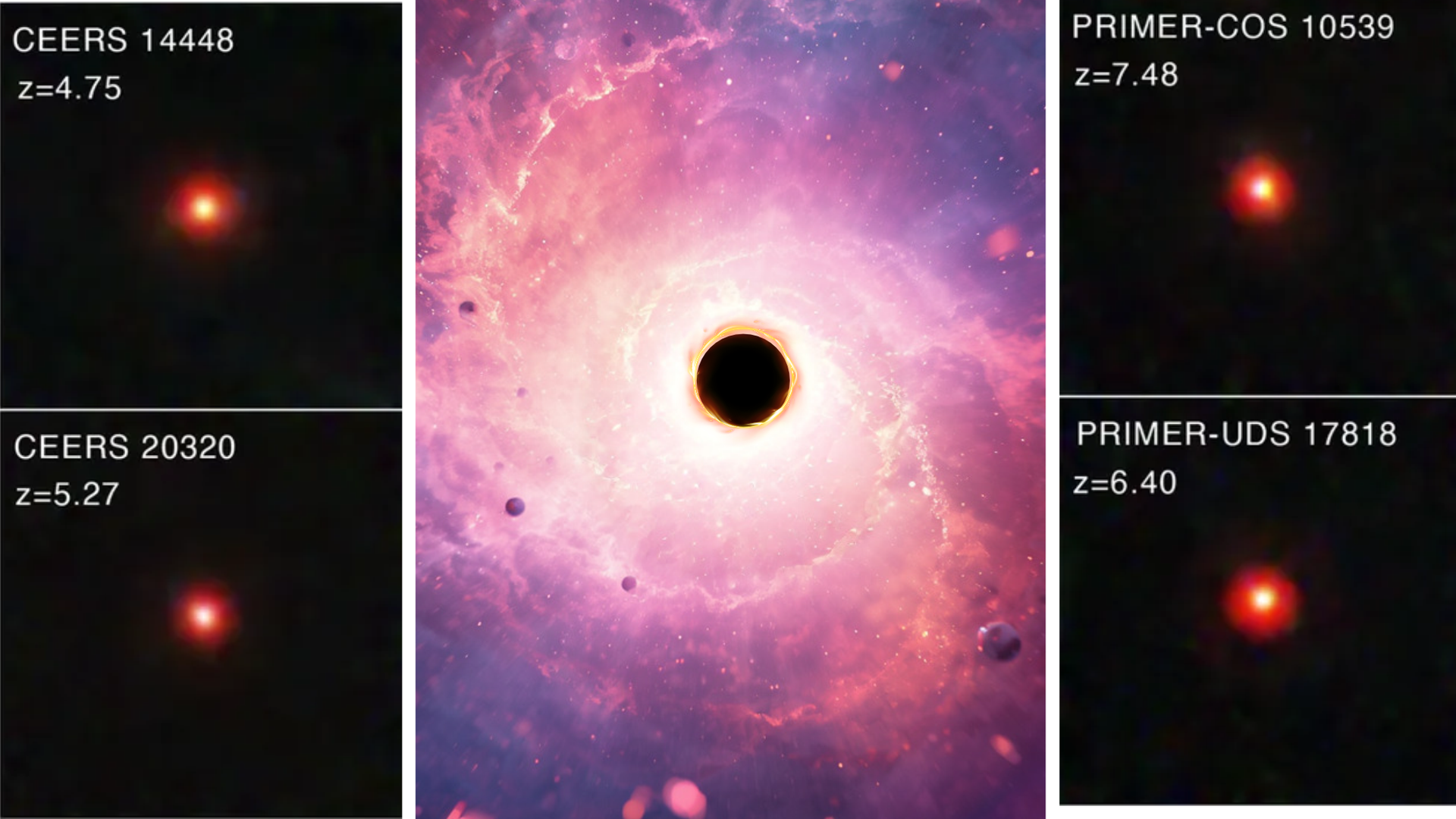
JWST data on the Little Red Dot Abell 2744-QSO1 suggests a primordial black hole origin is plausible, with about 100 similar objects next in line for testing.
November 09, 2026
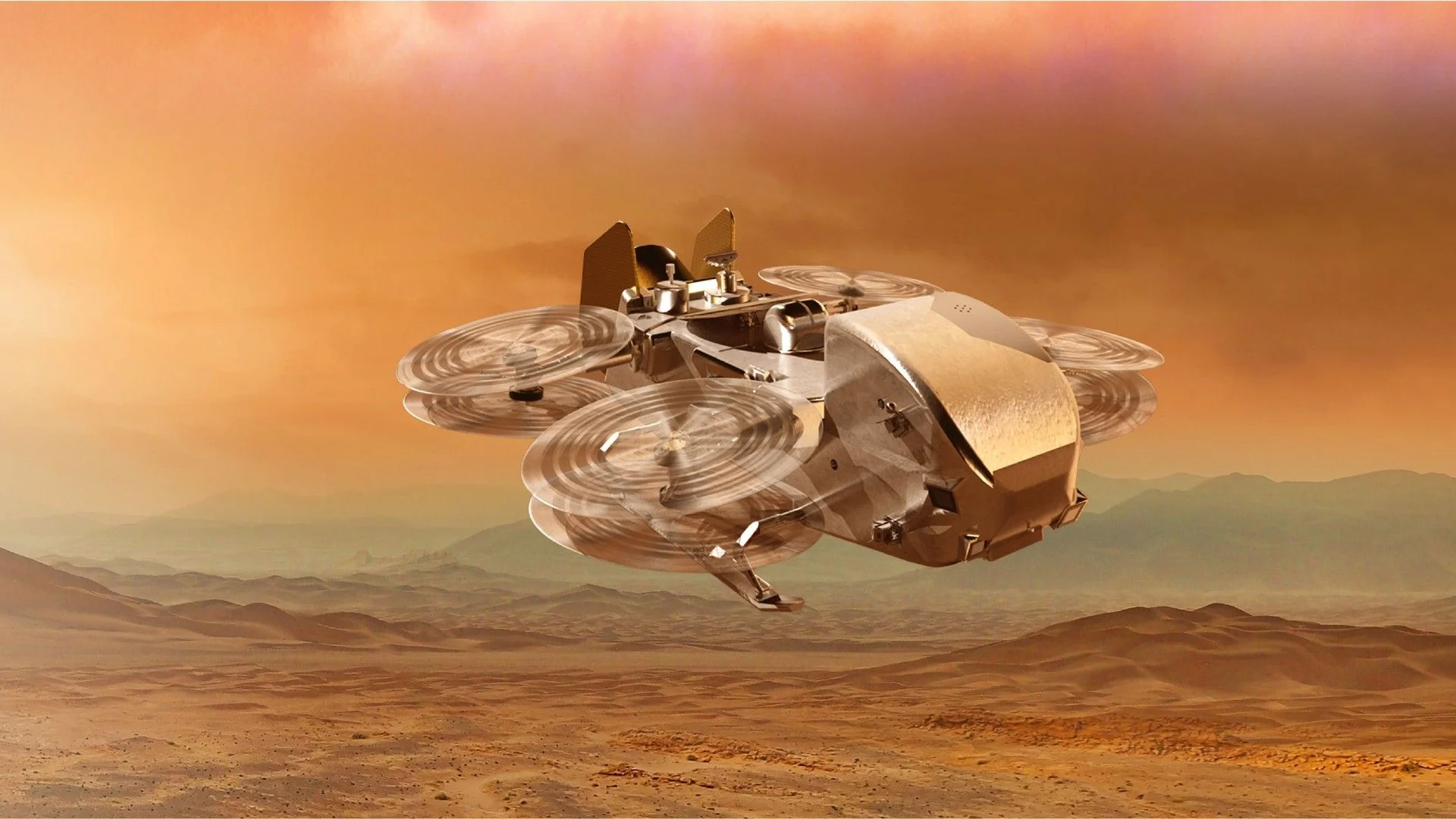
NASA is accepting names for Dragonfly, a rotorcraft set to explore Titan in 2034 and study the moon’s organic chemistry and potential habitability.
November 07, 2026
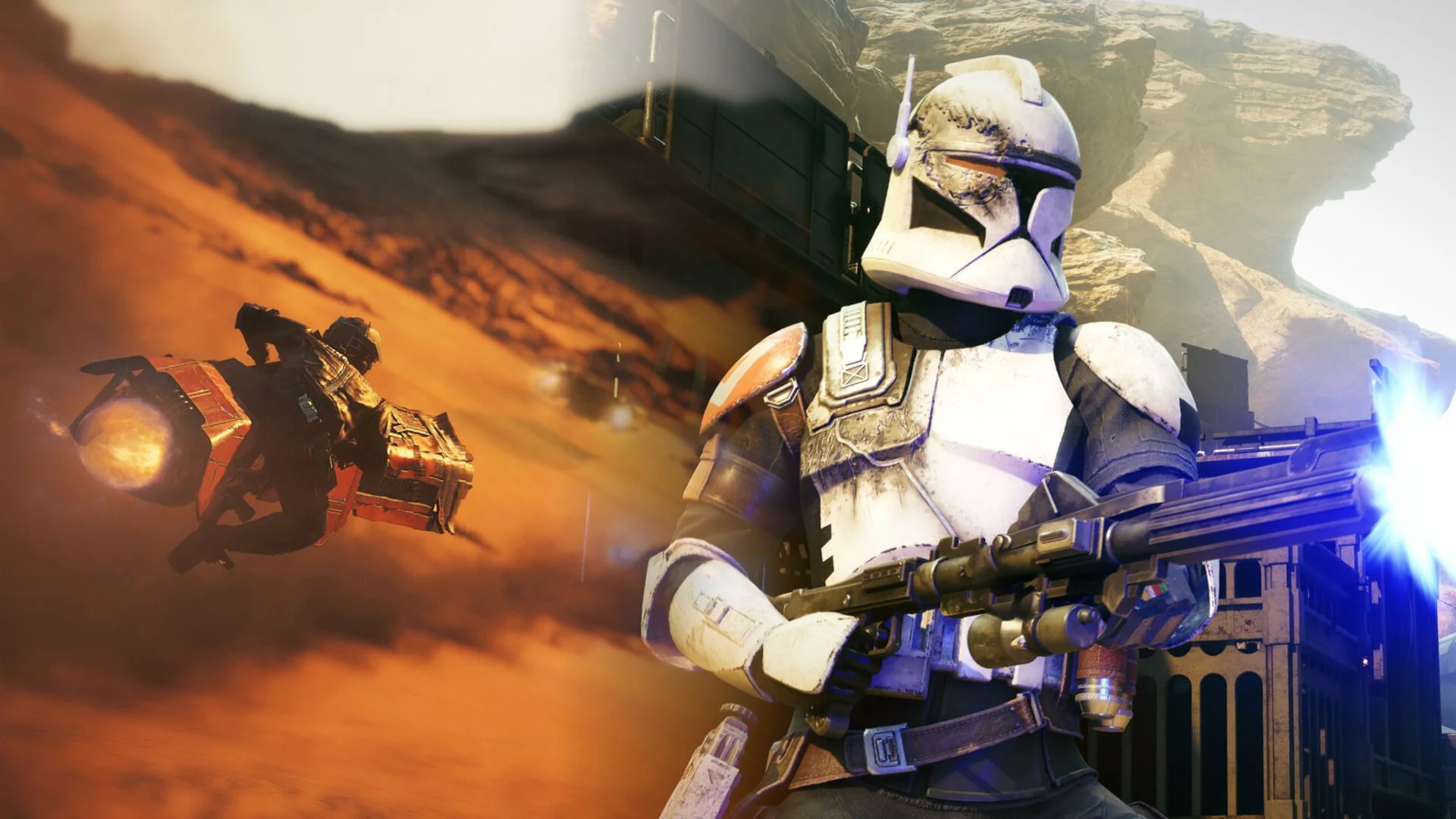
Galactic Racer and Zero Company show how distinct genres and self-contained stories can expand Star Wars without blockbuster scale.
November 07, 2026
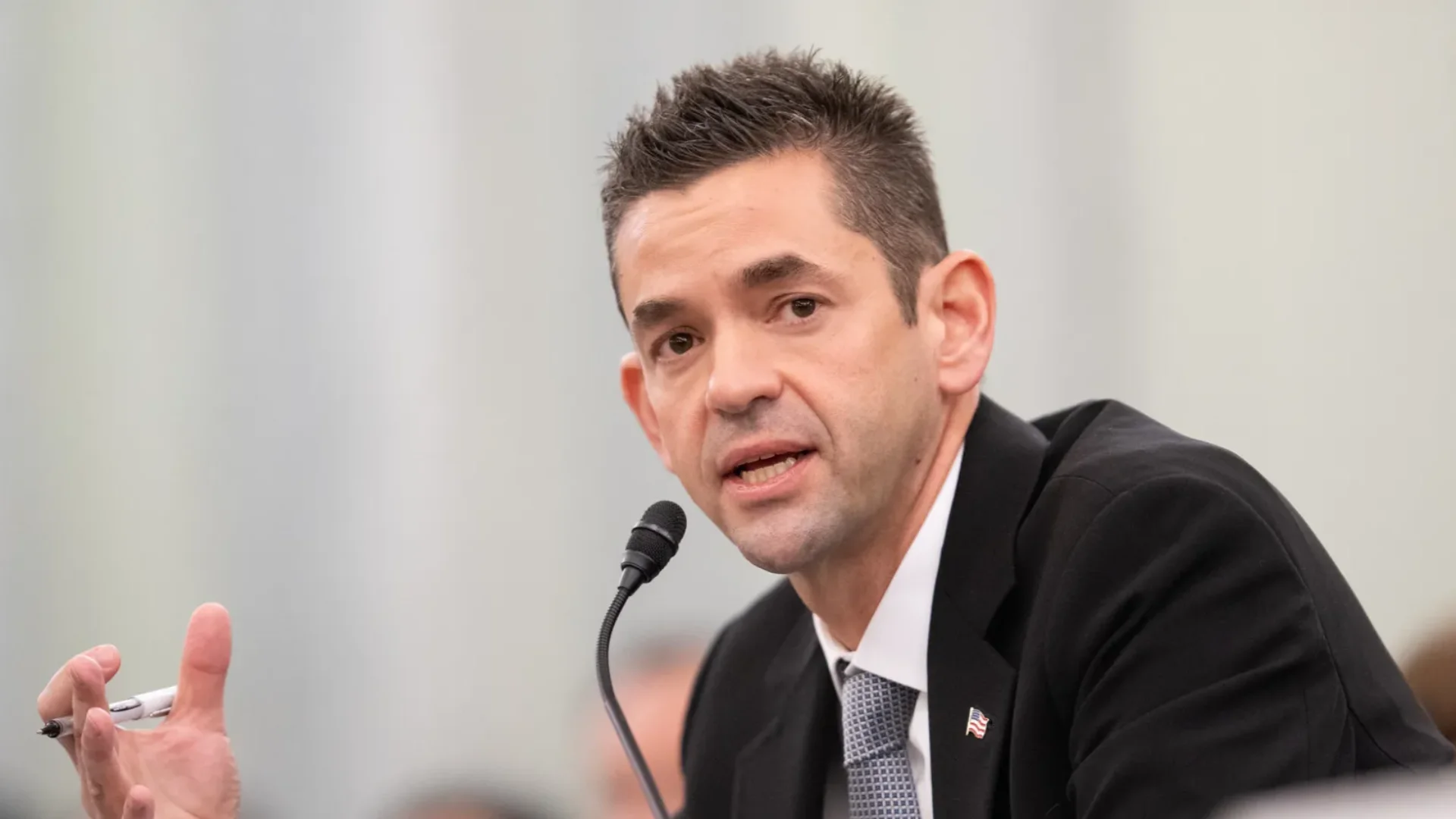
Isaacman says NASA needs at least one SLS launch each year as it prepares Artemis III and a 2028 lunar landing amid close competition with China.
November 07, 2026
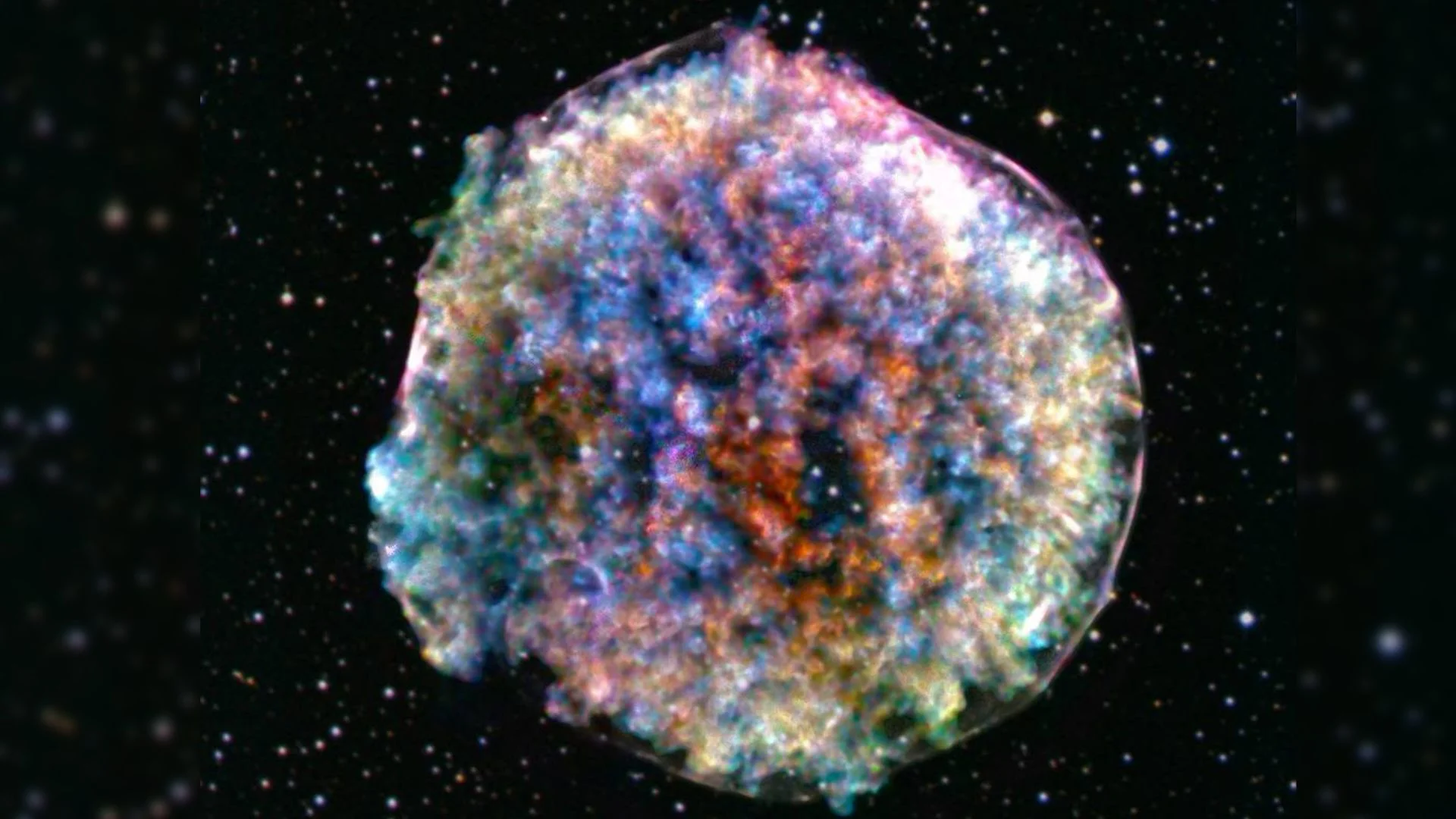
First seen in 1572, Tycho’s Star was visible for 16 months. Its record helped astronomers identify it as a Type Ia supernova.
November 06, 2026
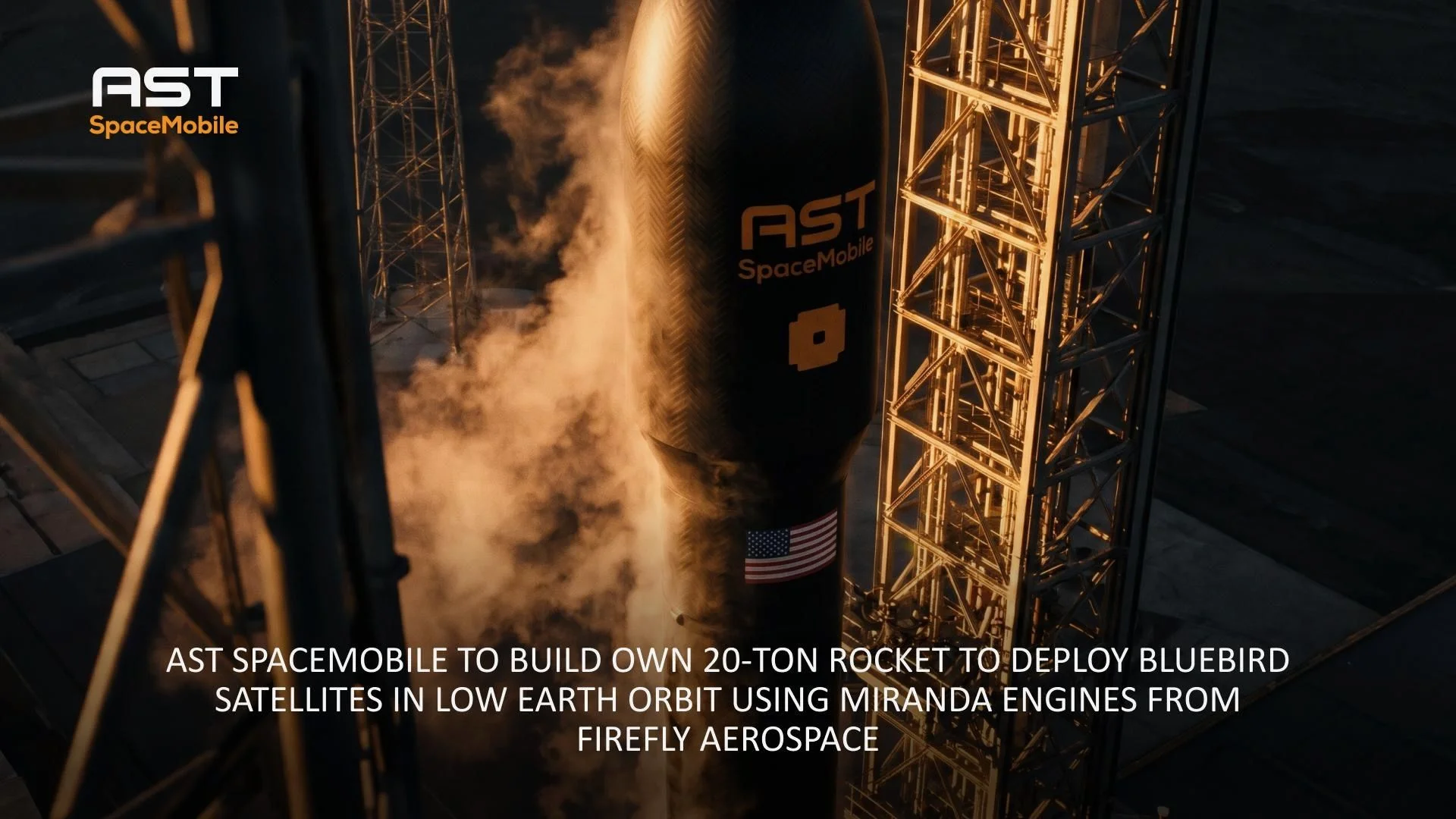
AST SpaceMobile is developing a reusable rocket that could carry five BlueBird satellites per flight, with its first launch targeted for 2028.
November 06, 2026
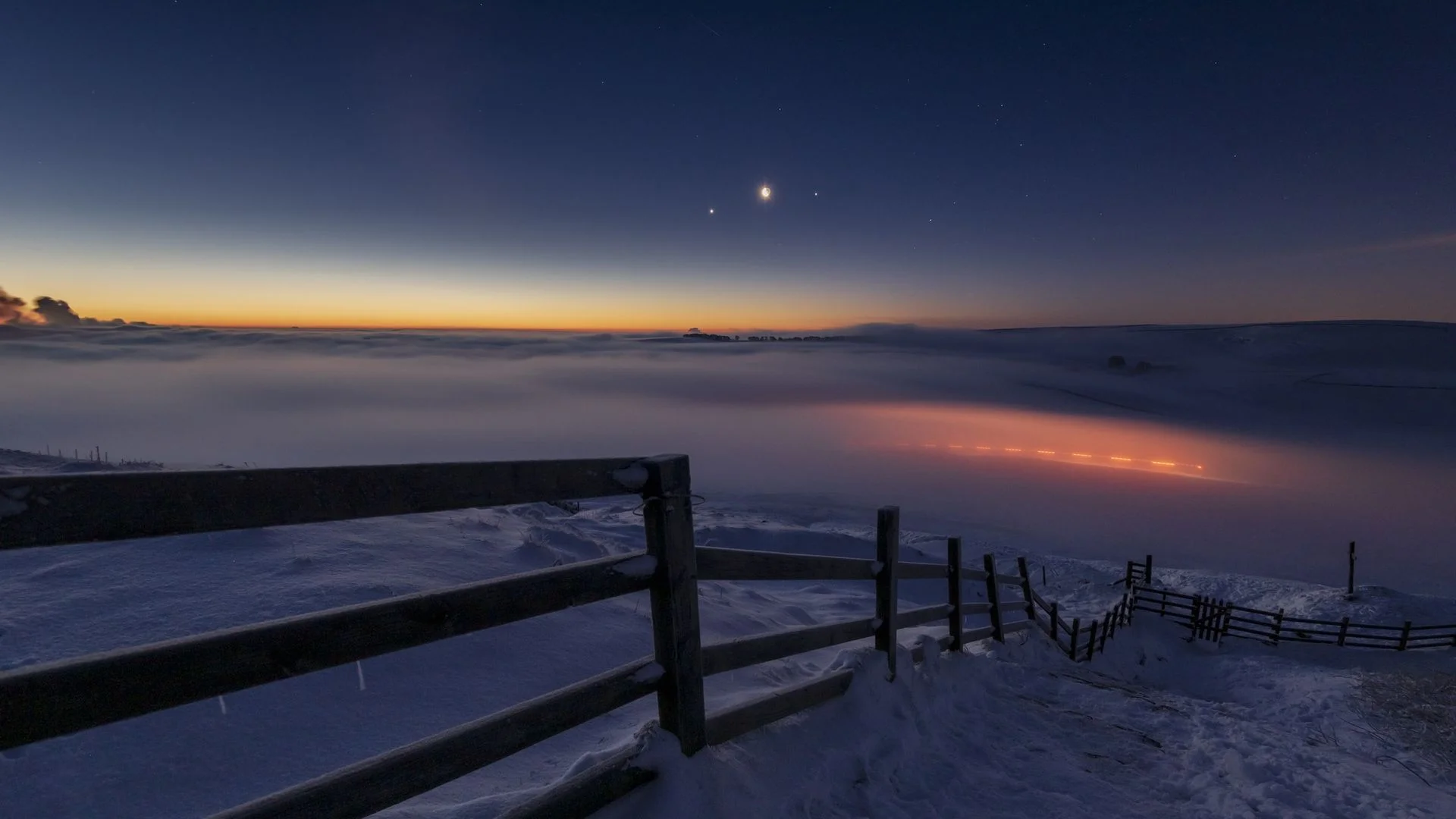
Venus is rising before dawn and will peak at magnitude -4.9 on Nov. 29, outshining Jupiter and remaining visible after sunrise.
November 06, 2026
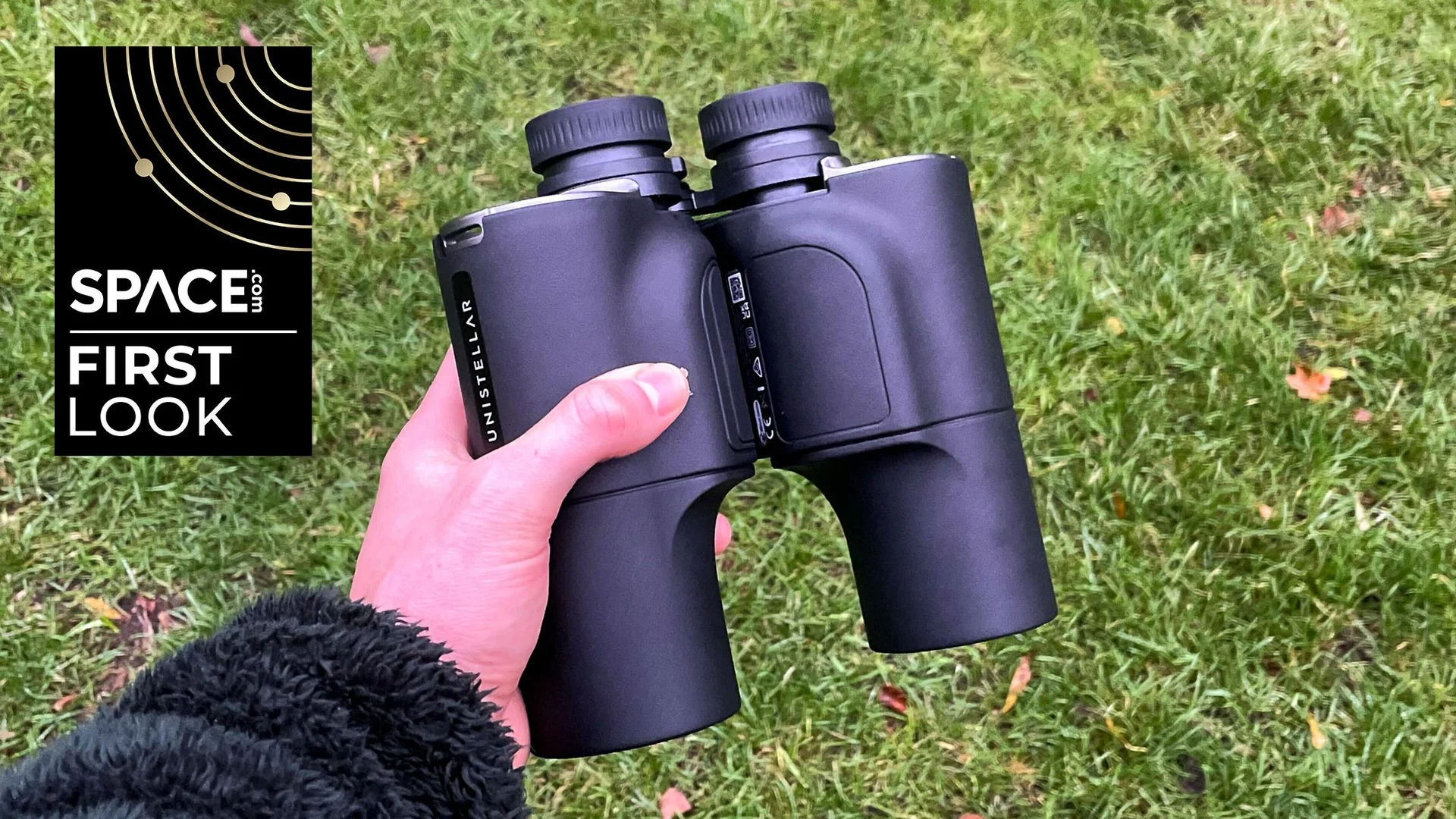
Unistellar’s $1,499 Envision binoculars pair 10x50 optics with an AR sky guide. Daytime landmark tracking works well, but nighttime performance remains untested.
November 06, 2026
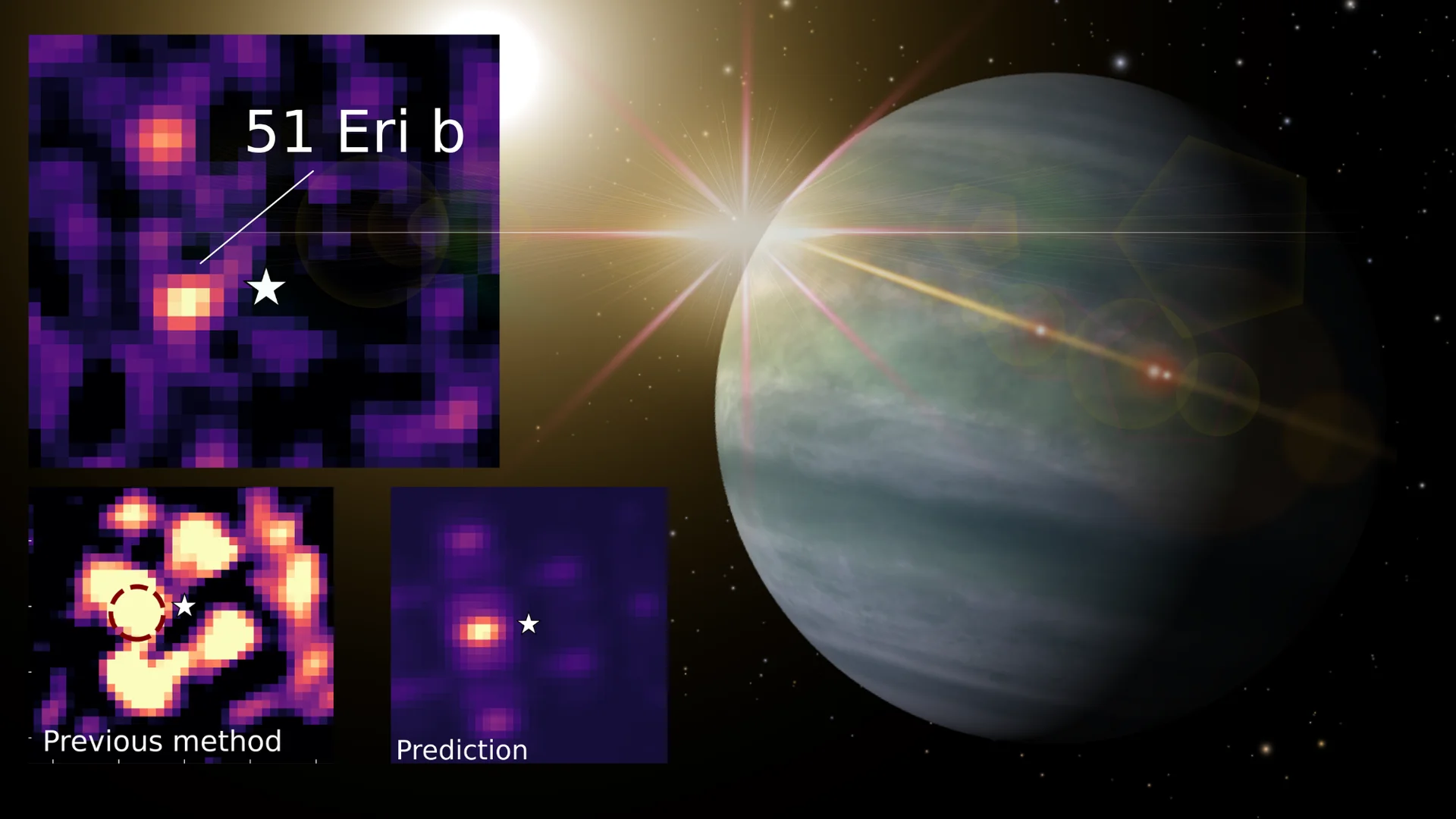
A telescope simulation technique called FLIP recovered 51 Eridani b from JWST observations, outperforming standard image processing by up to 15 times.
November 06, 2026
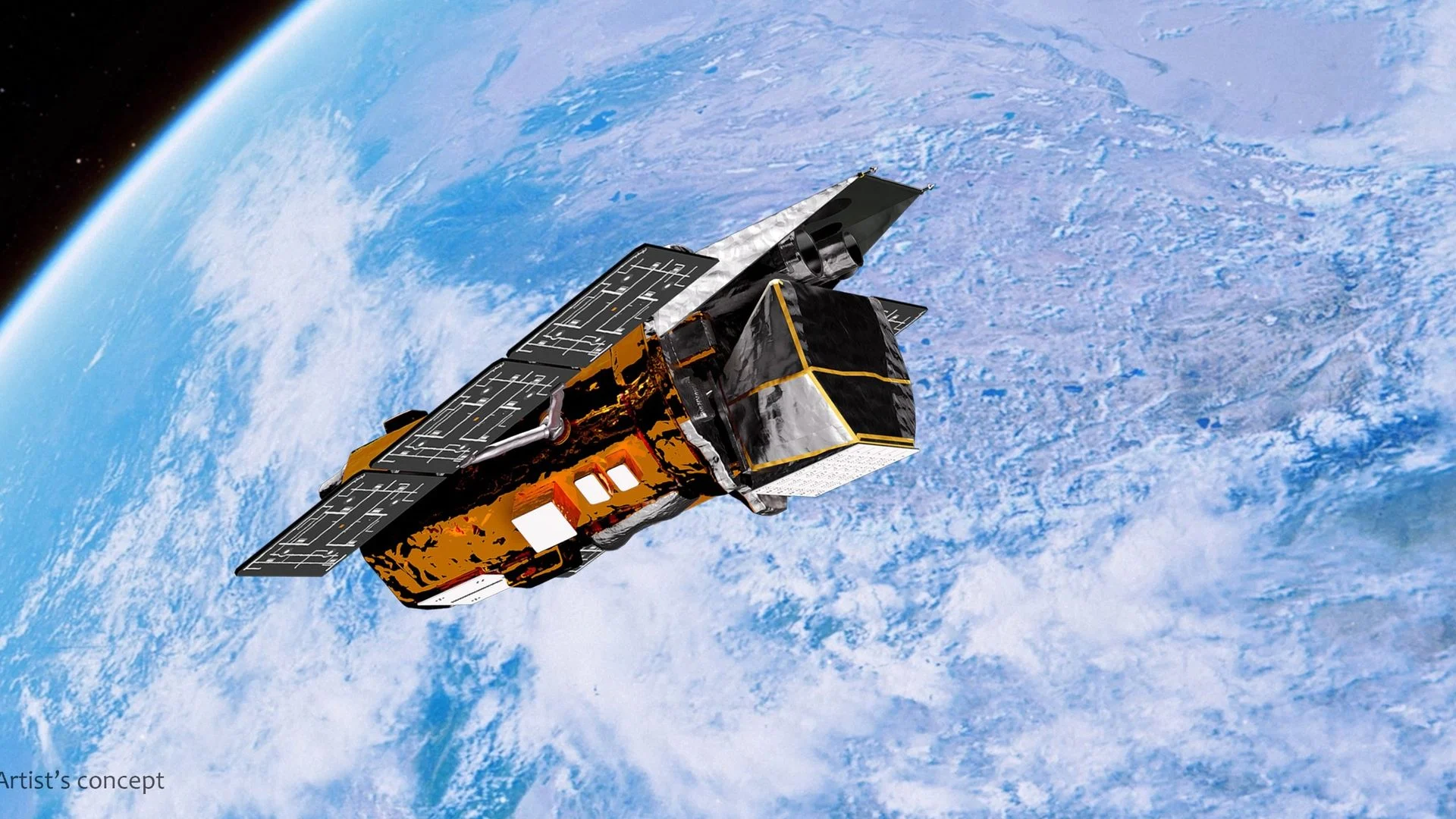
Swift ended a two-decade run studying gamma-ray bursts after a failed orbital rescue. Its final fall also tested new satellite-servicing technology.
November 04, 2026
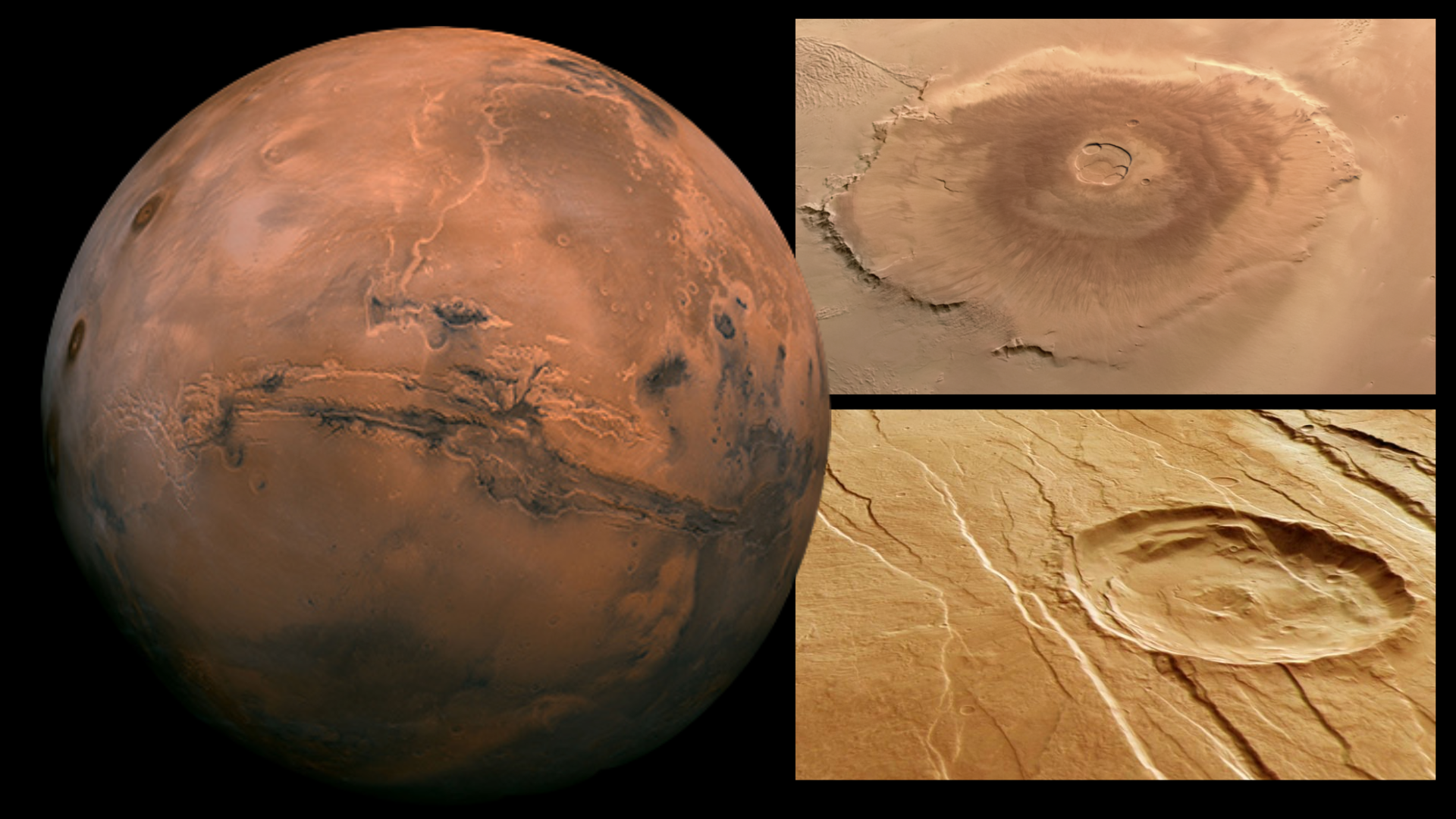
ExoMars detected hydrogen chloride escaping through fissures near Alba Mons, suggesting Mars may retain volcanic heat and offering a target in the search for past or present microbial life.
November 04, 2026
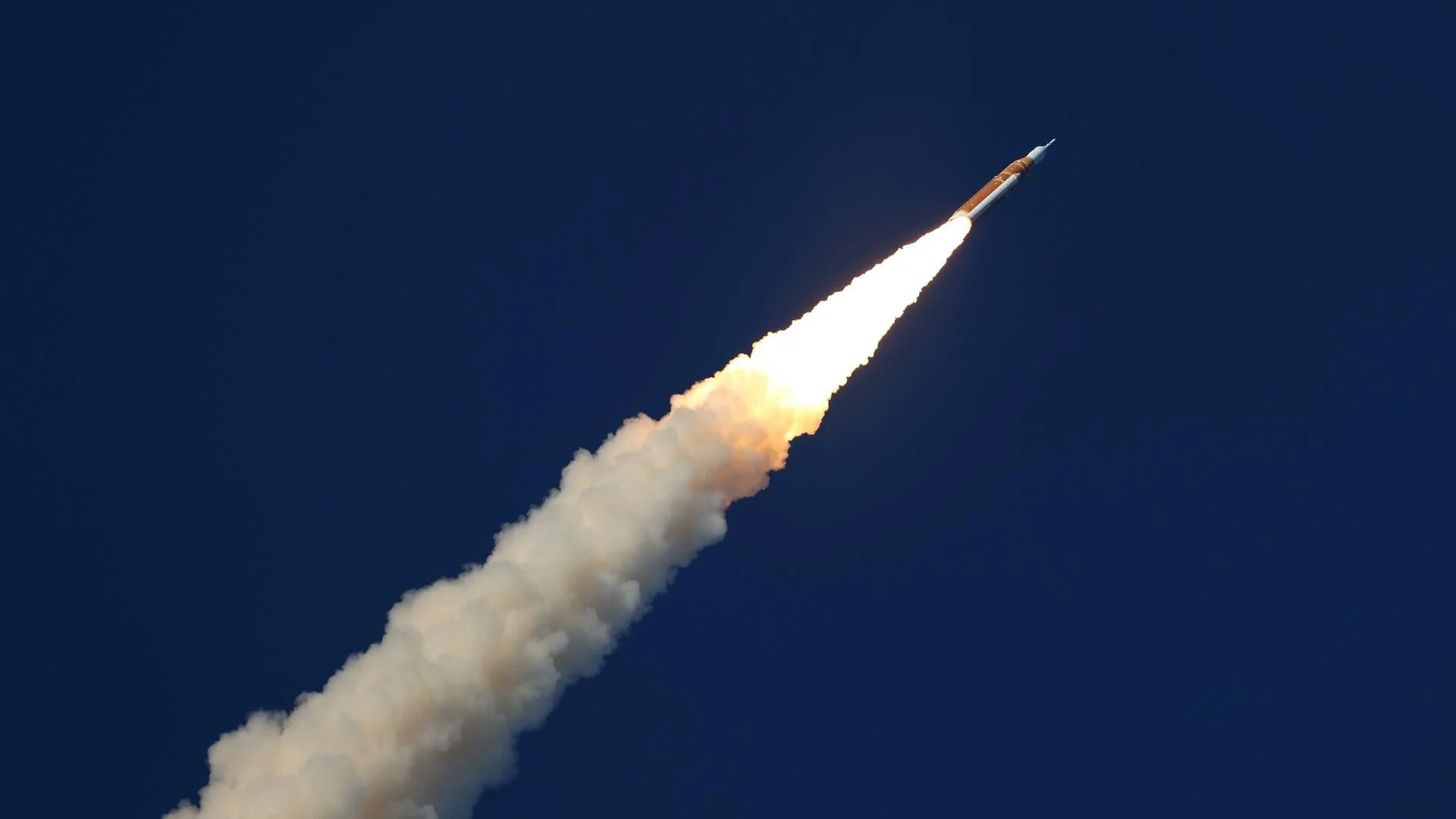
GPS data show Artemis II’s upper-stage burns carved ionospheric disturbances thousands of miles long, with potential meter-scale positioning errors.
November 04, 2026