The clearest sign of a healthy Star Wars game slate may be how little its newest releases depend on the franchise’s biggest names. Galactic Racer and Zero Company take familiar pieces of the galaxy in sharply different directions, suggesting that focused projects can build the series’ appeal without blockbuster scale.
That shift follows Lucasfilm and Disney’s 2021 decision to bring more publishers and studios into Star Wars game development under the Lucasfilm Games banner. After a turbulent start for EA’s rebooted Battlefront series, the broader approach has made room for projects with distinct audiences and ambitions. EA’s Squadrons and Jedi games also took bigger swings; in 2026, the range of what a Star Wars game can be is easier to see.
Two games built around a clear idea
Galactic Racer had the kind of pitch that would appeal to racing fans: an arcade racer shaped by developers with experience at Burnout studio Criterion. Criterion itself went to work on Battlefield, but Fuse Games pursued the concept, with publisher Secret Mode backing the release.

The game favors speed, direct controls and demanding courses over recent racing trends. Tight turns and rival drivers keep each run volatile, while a runs-based format adds replay value associated with roguelites. The result is a Star Wars racer that trusts its core appeal instead of loading it up with extra systems.
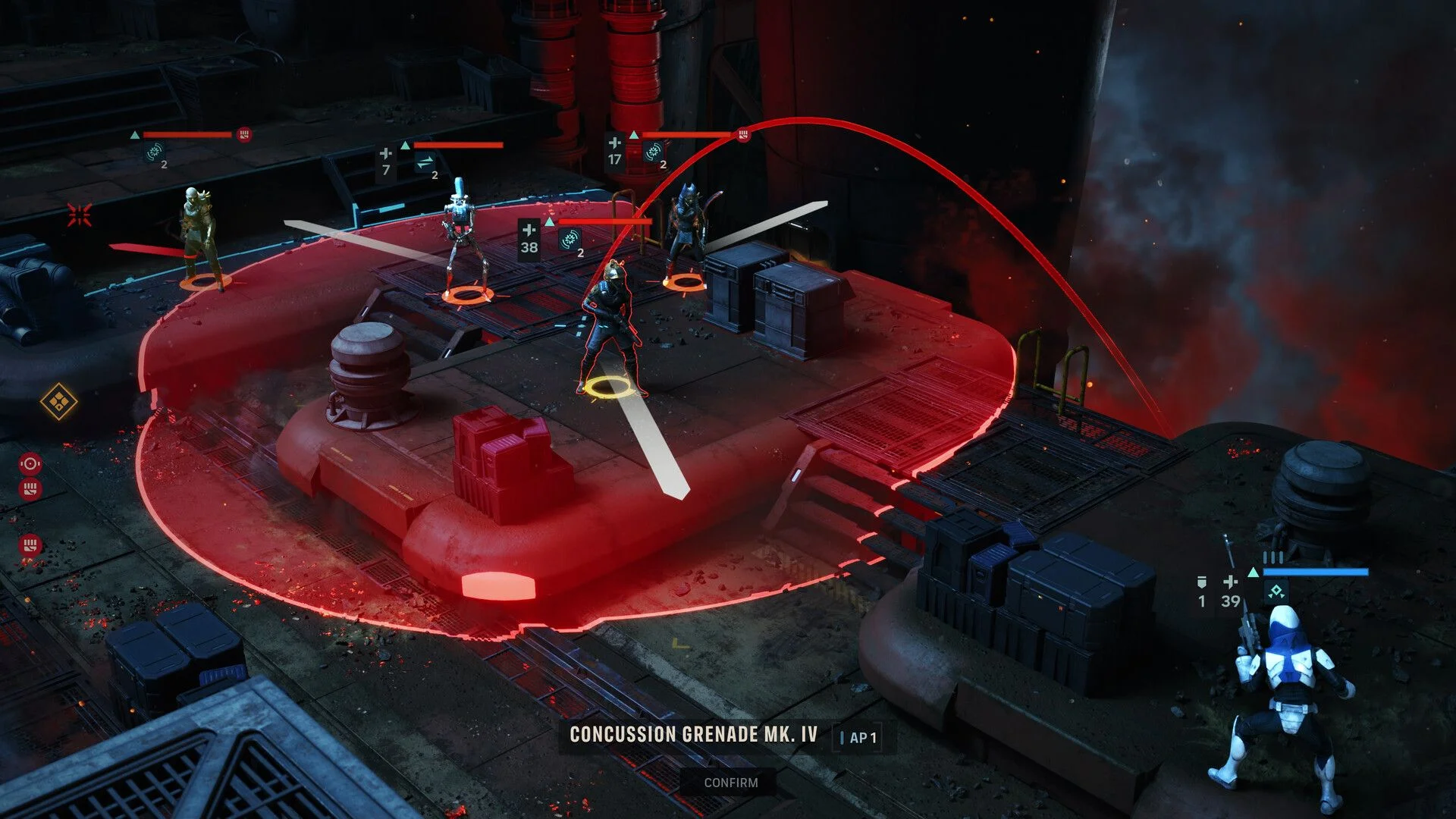
Zero Company applies the same discipline to a different genre. Developed by former triple-A creators, it takes turn-based tactical strategy and role-playing mechanics into the Clone Wars. “Star Wars but XCOM” is a straightforward idea, but its appeal comes from committing to the squad-based format and a self-contained story rather than piling on live-service demands.
Both games have been described by people involved as double-A successes. That points to a useful lesson for Lucasfilm Games: letting teams pursue concepts they care about can produce work that feels distinct, whether the project is large or small. Ubisoft’s Star Wars Outlaws showed the appeal of a broad open world, though its scale also brought high sales expectations and a substantial production budget.
Room for the galaxy’s stranger corners
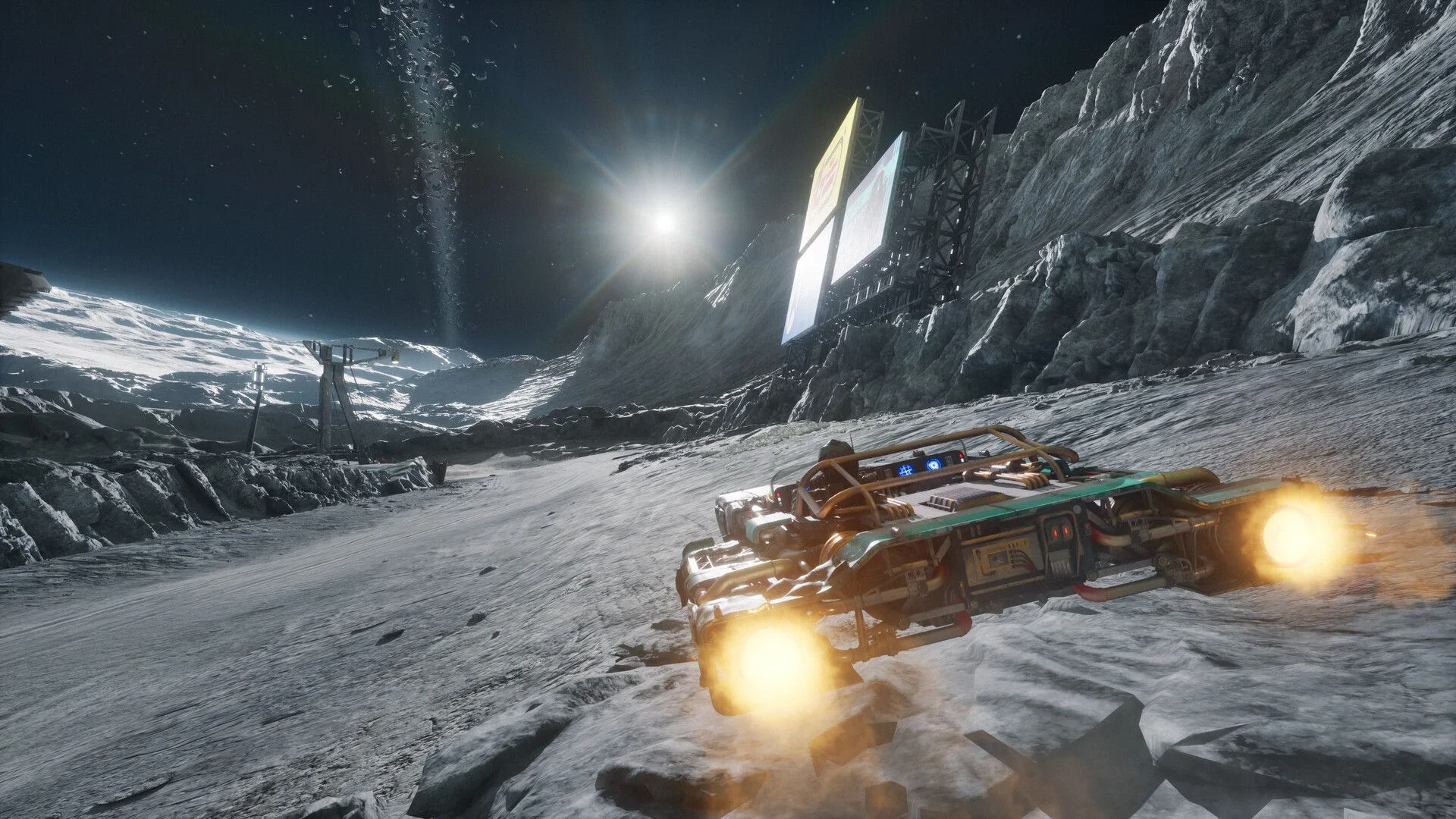
Galactic Racer also shows what Star Wars gains when a story can stand apart from the main saga. Set in the post-war period, away from the Imperial era and without close ties to the wider canon, it adds texture by focusing on a corner of the galaxy rather than another galaxy-shaking conflict. Its new character Biddy Blas has drawn attention in her own right—a reminder that memorable figures can emerge when a story has room to surprise.
Zero Company keeps its Clone Wars setting similarly contained. Anakin Skywalker appears, but the story centers on a team shaped by the camaraderie and covert missions associated with The A-Team and Suicide Squad. Its tone draws on Andor and Rogue One, yet the plot can be followed without extensive knowledge of Star Wars history.
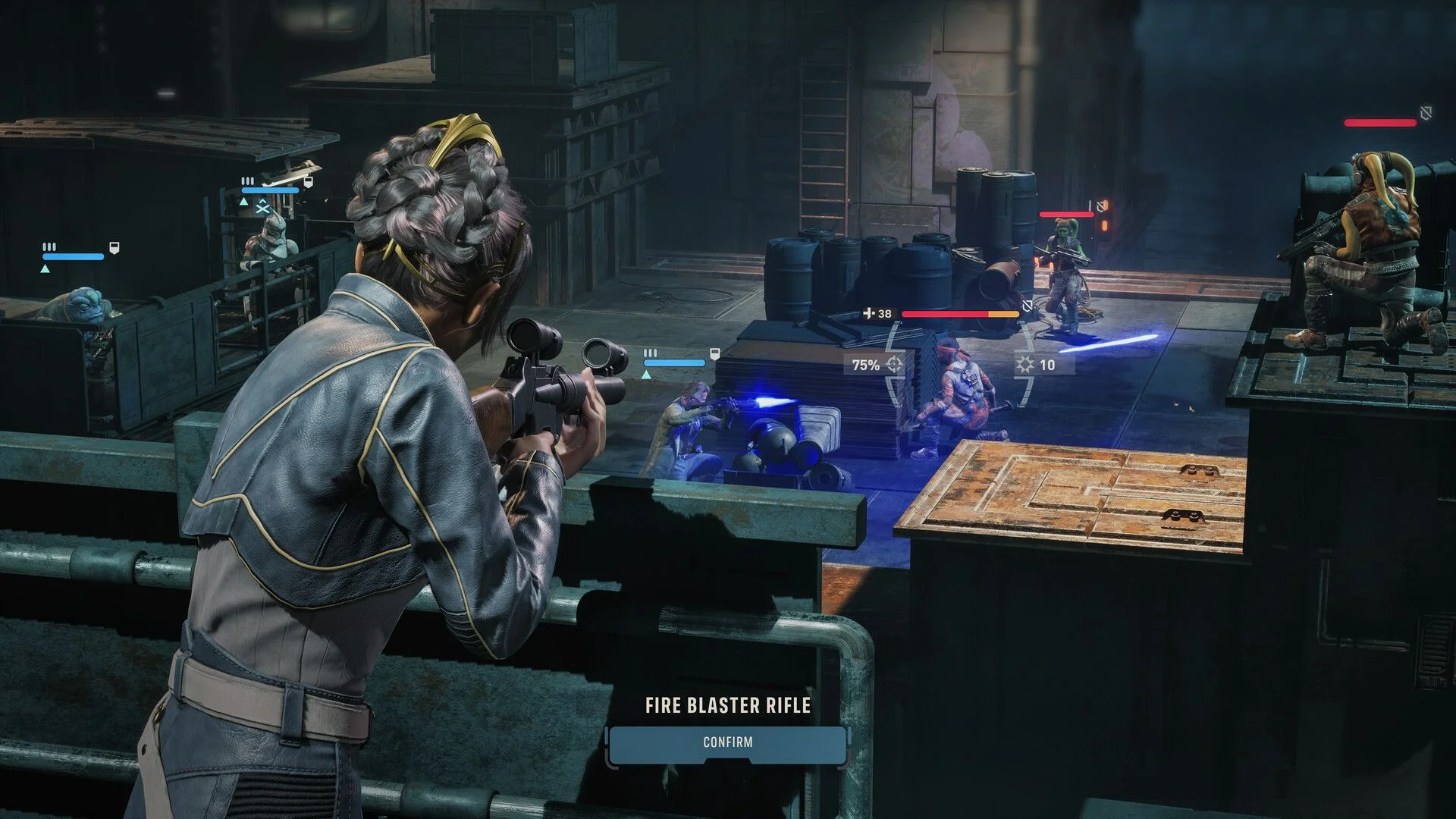
That accessibility matters for a decades-old franchise seeking new players. The games suggest that a strong genre premise and a story with its own point of view can make Star Wars inviting without requiring newcomers to catch up on the larger canon.
Lucasfilm has set clearer plans for upcoming films, while its Disney+ series appear to be narrowing toward stories better suited to television. The response to these games offers a useful signal for the wider franchise: distinctive, self-contained projects can expand the galaxy and give larger stories more room to matter.
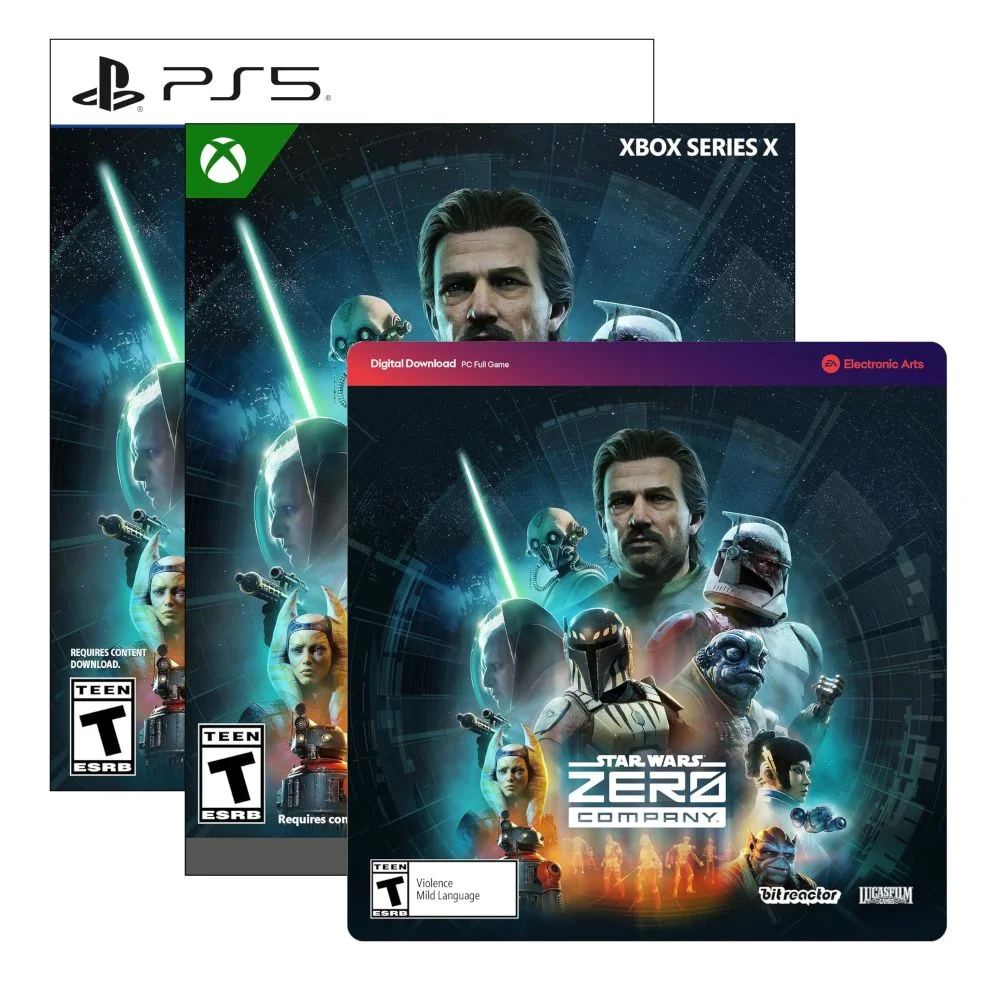
Star Wars: Zero Company: was $59.99 now $47.99
Command an elite squad in a gritty, authentic Star Wars story set in the twilight of the Clone Wars. Step into the boots of Hawks, a former Republic officer leading Zero Company on a covert operation against an emerging threat that could consume the galaxy.
Available on PS5, Xbox Series X|S, and PC.View Deal

Star Wars: Galactic Racer is a high-stakes reinvention of racing born in the lawless Outer Rim of the Star Wars galaxy.
Available on PS5, Xbox Series X|S, and PC.View Deal