Two long total solar eclipses in consecutive years sounds like a gift for chasers, and it is. The catch is that the two events are built around different priorities. One is about raw duration, the other about variety, and picking between them comes down to what you want the day to feel like.
The first is on August 2, 2027, when the moon's shadow sweeps from southern Spain across North Africa and the Middle East, delivering more than six minutes of totality to parts of Egypt. The second is on July 22, 2028, when a path of totality crosses Australia, passes over Sydney and continues to New Zealand's South Island. Both are worth the trip. Only one can be your priority this time around.
Eclipse chasing takes planning and real money, so it's worth being clear-eyed about the trade-offs before booking anything.
2027: the duration champion
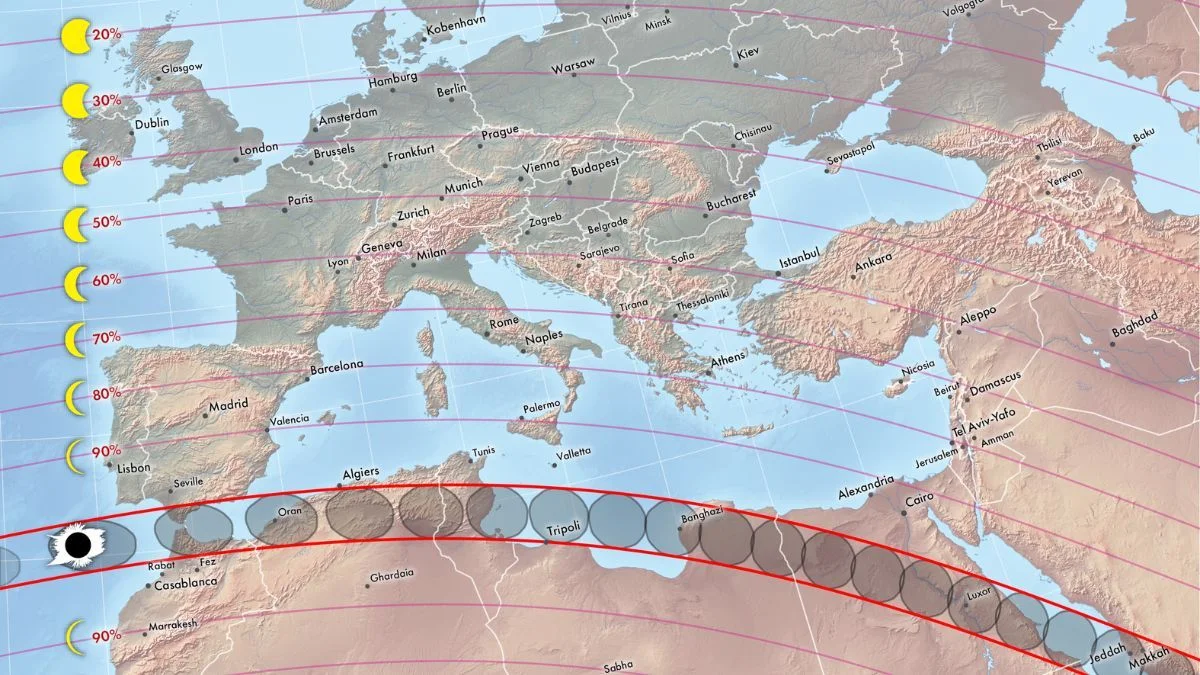
On paper, 2027 is hard to beat. Maximum totality on August 2 lasts about 6 minutes and 23 seconds, the longest totality on land since 1991 and the longest until 2114. The path runs through southern Spain and Gibraltar, then across Morocco, Algeria, Tunisia, Libya, Egypt, Sudan, Saudi Arabia, Yemen, Somalia and the Chagos Islands. Roughly 88.9 million people live inside the path, according to Time and Date. Expect this one to dominate headlines for weeks beforehand.
Spain is the easy choice for Europeans. Tarifa, at the country's southern tip, gets about 4 minutes and 39 seconds of totality, and the U.K. Overseas Territory of Gibraltar gets about 4 minutes and 25 seconds. Move east and the numbers climb. Sfax in Tunisia sees around 5 minutes and 41 seconds, and locations in Egypt pass the six-minute mark. Weather also tends to improve as the path moves over the deserts of North Africa.
Egypt is the headline destination. Luxor gets about 6 minutes and 20 seconds of totality near midday, with Karnak Temple, the Valley of the Kings and some of the most significant ancient monuments on Earth within reach. Clouds are rare in early August, so the odds of a clear sky are very good. Pair a long totality, that kind of setting and a high probability of clear skies, and you have something unusual.
The downsides are real, though. Temperatures around Luxor can top 105°F (41°C) in August, and a dust storm isn't out of the question. Totality arrives shortly after 1 p.m., when the sun and moon sit high overhead, which makes photography tough. Demand is already strong, and organized trips are expensive. Spain will be easier on the wallet and the logistics, but you give up roughly two minutes of totality and get slightly less favorable weather in return.
2028: the Australian double feature
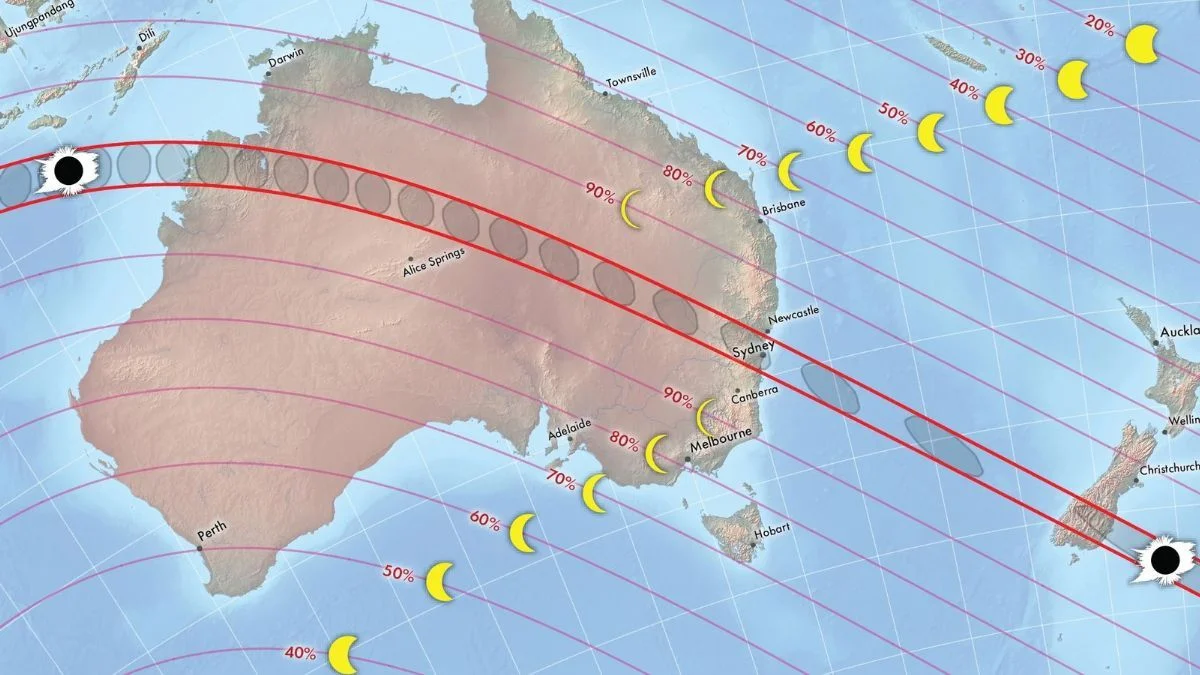
If 2027 is about extreme duration, 2028 is about choice. The path enters through the Cocos Islands and Christmas Island, runs across Australia from northwest to southeast, passes directly over Sydney, and then crosses the Tasman Sea to New Zealand's South Island. Roughly 6.3 million people live in the path, according to Time and Date. That's a fraction of the 2027 crowd, and it means fewer people will be competing for the same viewing spots.
Maximum totality lasts 5 minutes and 10 seconds in the remote Kimberley region of Western Australia. That's more than a minute shorter than 2027, but still well above what most total eclipses deliver, which typically run about two minutes. The real argument for the Outback is weather. Historical cloudiness on July 22 is about 8 percent near Purnululu (Bungle Bungles), close to the point of greatest eclipse in Western Australia, and about 19 percent at Karlu Karlu (Devil's Marbles) in the Northern Territory. That makes the interior an attractive choice for serious chasers who care most about the sky. Expect temperatures around 86°F (30°C) in July.
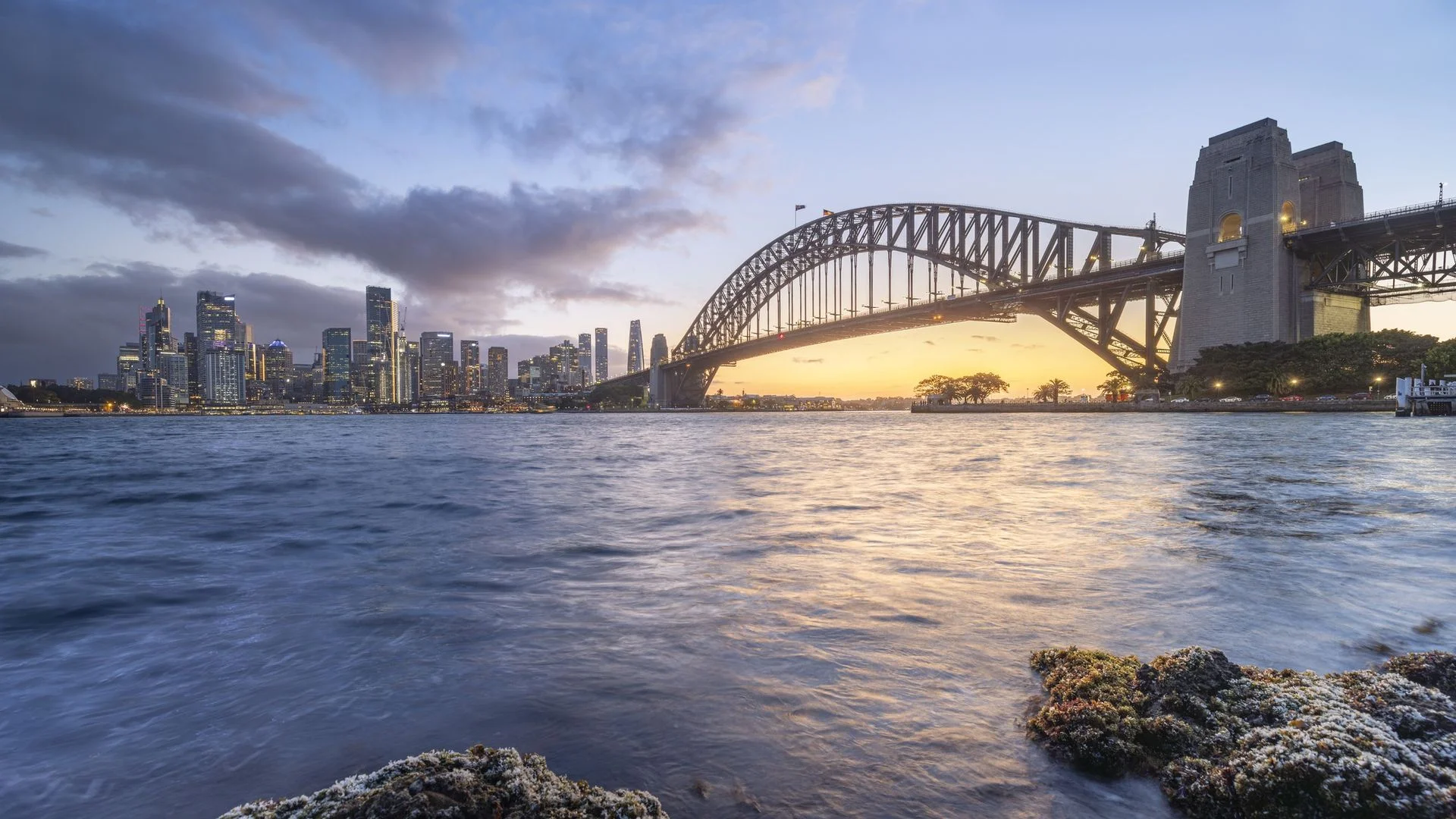
Then there's Sydney. Australia's largest city gets about 3 minutes and 45 seconds of totality, the first total solar eclipse the city has seen since 1857. An eclipsed sun over the Opera House and Harbour Bridge could produce some of the defining astronomy images of the decade, and millions of people sharing the same two-minute-plus moment of darkness should make for an electric atmosphere. Temperatures sit around 62.6°F (17°C).
Weather is the trade-off. Historical cloudiness in Sydney is around 43 percent. That's decent odds for an eclipse, and July is typically clear, but it isn't the sure bet the Outback offers. If clear skies matter more than the crowd, the pricier trip inland makes more sense. For Europeans, reaching Australia is a serious commitment in both money and time. Sydney's large hotel inventory should keep accommodation competitive, but the long flight makes a three-day visit hard to justify. Most international chasers will be looking at a one- or two-week trip.
Don't forget the night sky
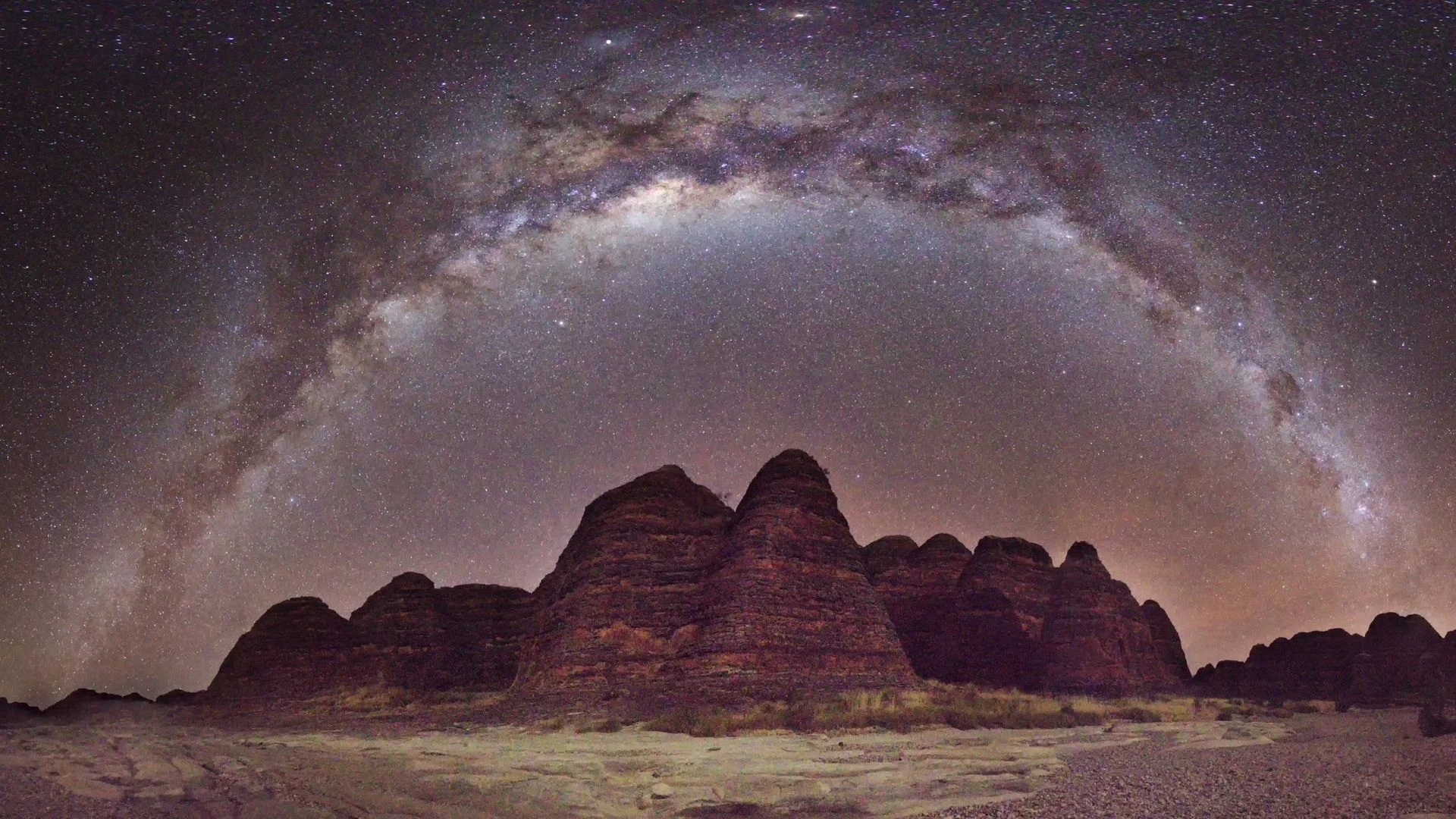
Plenty of eclipse trips are won or lost on the nights around the event. With careful planning, a 2028 trip can double as an astronomy holiday. Arrive a week early for the darkest skies, and you'll see something most visitors from Europe and North America never get to see: the Southern Hemisphere sky.
July is a strong month for the bright central regions of the Milky Way from dark Australian sites. The Southern Cross, or Crux, is one of the southern sky's signature sights, with Alpha and Beta Centauri close by. Omega Centauri, the largest and brightest globular cluster visible from Earth, is a showpiece through binoculars and small telescopes. The Eta Carinae region offers one of the richest stretches of the Milky Way available to small instruments.
The calendar adds more reasons to stay longer. A partial lunar eclipse falls on July 6 and 7, 2028, and the Southern Delta Aquariid meteor shower peaks around July 28, a week after the solar eclipse, under a first-quarter moon. The shower is best seen from the Southern Hemisphere. Combine that with Australia's dark skies, and a trip into the Outback can become as much about stargazing as about the eclipse.
The 2027 trip has fewer extras. The Delta Aquariid shower peaks a few days before the eclipse, under dark, moonless skies, and Jupiter dominates the western sky soon after sunset. Still, anyone coming from the Northern Hemisphere will mostly see a sky they already know. Australia offers something genuinely different.
City, desert or wilderness?
The most useful way to choose between these eclipses isn't to compare minutes on a spreadsheet. Picture where you want to be when the moon's shadow arrives.
In 2027, the decision is about how far along the track you're willing to go. Stay in southern Spain for convenience and around four minutes of totality. Head into Tunisia for longer totality and better weather odds. Or commit to Egypt for more than six minutes under nearly cloudless desert skies, which is a serious bragging right among chasers. The trip pairs naturally with beaches, Roman ruins, North African cities and, of course, the temples and tombs of ancient Egypt.
In 2028, the contrast is sharper. Sydney offers a communal eclipse, with millions watching daylight drain away above one of the world's great cities. Travel thousands of miles inland and the same event turns into a quieter experience in the wilderness, with up to five minutes of totality above an enormous Outback landscape. Continue to New Zealand and you get a third option: a shorter totality with the sun much lower in the afternoon sky.
Which total solar eclipse should you choose?
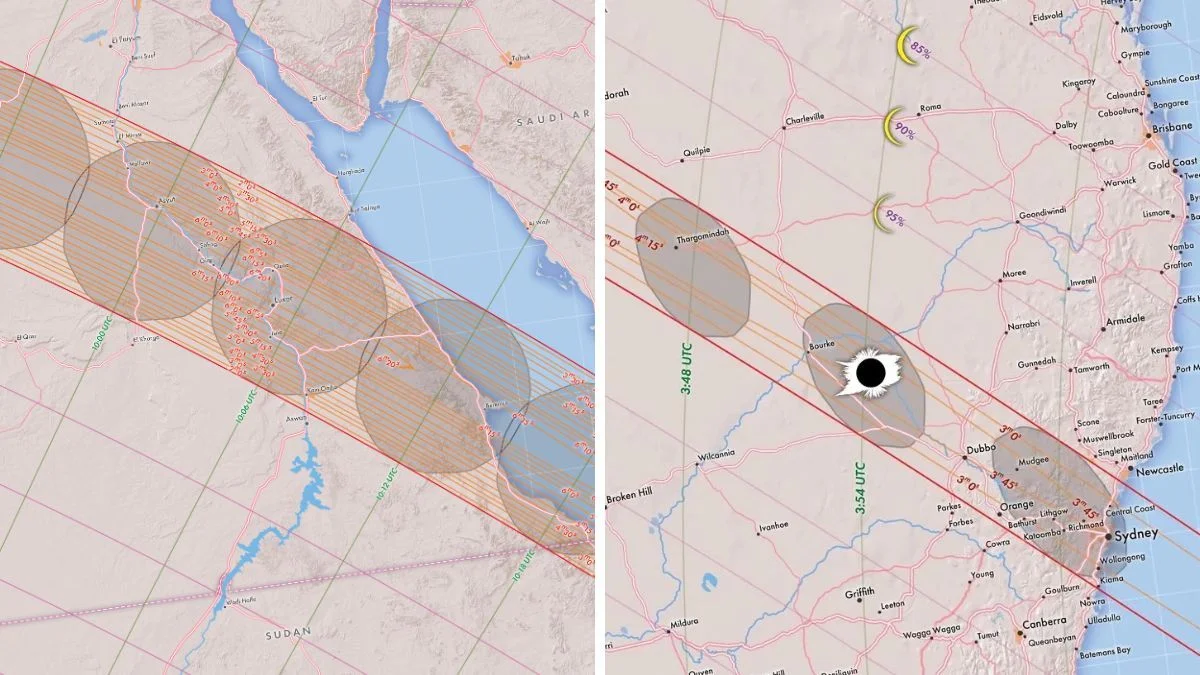
If totality duration is your only metric, 2027 wins, and it isn't close. More than six minutes of totality with unusually dependable weather is a rare pairing, which explains why August 2, 2027 is being called the "eclipse of the century." But if Australia or New Zealand has been on your list, 2028 gives you a reason to finally go, and you still get a long totality when you arrive.
My read: pick the trip you most want to take, then find the best spot inside the path. Eclipses always feel too short, and most chasers struggle to recall exactly how long totality lasted. What they remember is the moment the sky went dark and the question that follows: when is the next one?