Most of us know the space race through documentaries, textbooks, and grainy broadcast clips. John Monsky's We Chose to Go to the Moon takes a different route. It moves that history onto the stage at Carnegie Hall, where a live orchestra, archival film, and first-person remembrances carry the story. It's a bolder format than a standard retrospective, and it's worth a look.
When it airs and why the timing matters
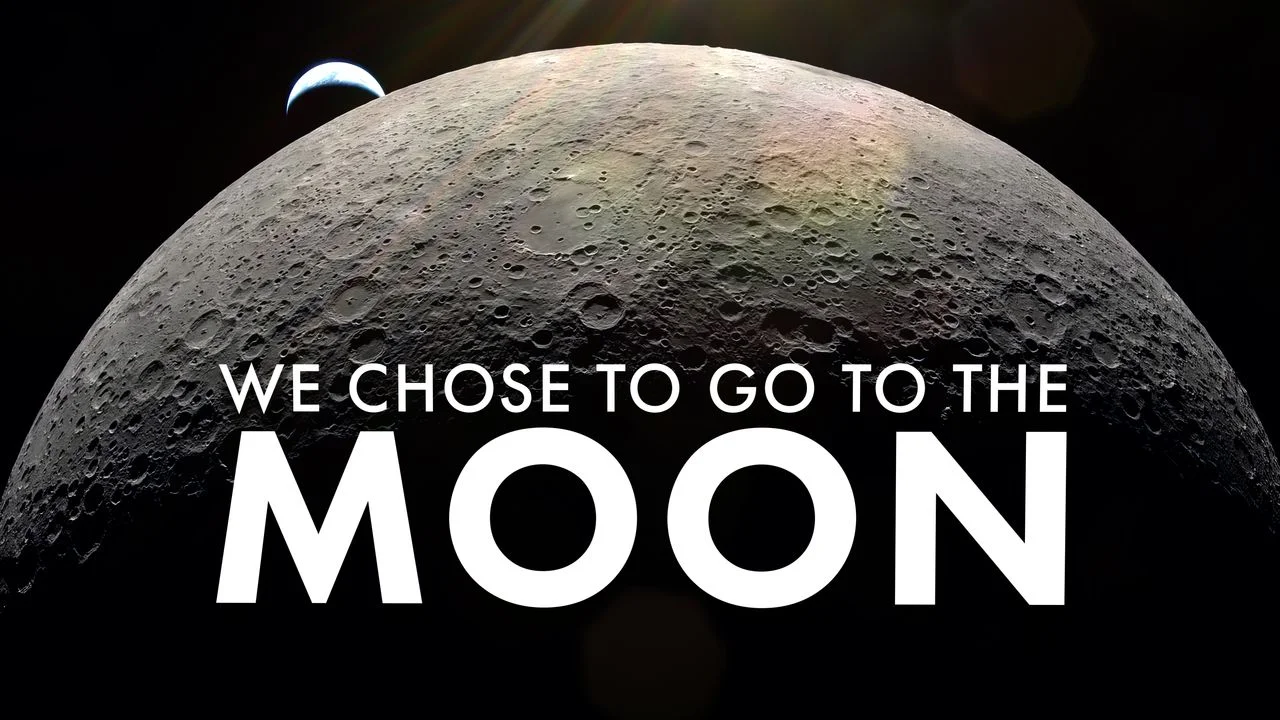
The broadcast is set for 8 p.m. ET and PT on Tuesday, Nov. 10, 2026, on PBS in the United States. The production was filmed live at Carnegie Hall in April 2026, the same month NASA's Artemis II lifted off with four astronauts bound for a loop around the Moon. That overlap gives the show an odd immediacy. A stage production about 1960s lunar ambition is landing while a crew is headed back out there.
Where to stream it
PBS carries the program in the US, and it streams at the same time on PBS.org and in the PBS app. The app runs on iOS, Android, Apple TV, Google TV, Roku, Amazon Fire TV, Comcast, Samsung and VIZIO smart TVs, and LG sets. PBS streaming is geo-blocked outside the United States, so viewers abroad won't be able to tune in from there. PBS also posts a 30-second preview of the Carnegie Hall show on its website, though there are no trailers on YouTube.
The speech that started the push
In September 1962, President John F. Kennedy spoke at Houston's Rice University, and that address became the symbolic starting gun for American participation in the space race. "We choose to go to the moon," he said. "We choose to go to the moon in this decade and do the other things, not because they are easy, but because they are hard, because that goal will serve to organize and measure the best of our energies and skills, because that challenge is one that we are willing to accept, one we are unwilling to postpone, and one which we intend to win, and the others, too."
Monsky uses that line as his jumping-off point. Read it again, though, and it's really about whether a nation can sustain a goal long enough to reach it. That question is the real backbone of the show.
How the show is built
Monsky calls it a "living documentary." It blends archival footage, spoken-word recollections, and period music to bring the space race into the room, and it's aimed at a Carnegie Hall audience and a television one. The perspectives come from the people closest to the action: astronauts Neil Armstrong, Buzz Aldrin, Michael Collins, and Ed White; their families; and the workers in Mission Control whose names rarely make the highlight reels.
The score is as deliberate as the archive. A live orchestra underpins the narrative, with Broadway performers handling the vocals. The soundtrack includes David Bowie's "Space Oddity," Elton John's "Rocket Man," and Simon & Garfunkel's "The Sound of Silence." Mixing rock and pop standards with 1960s source material is a risky move, and it could easily feel like a jukebox. My read is that the orchestra and the archival material keep it grounded.
Who's on stage
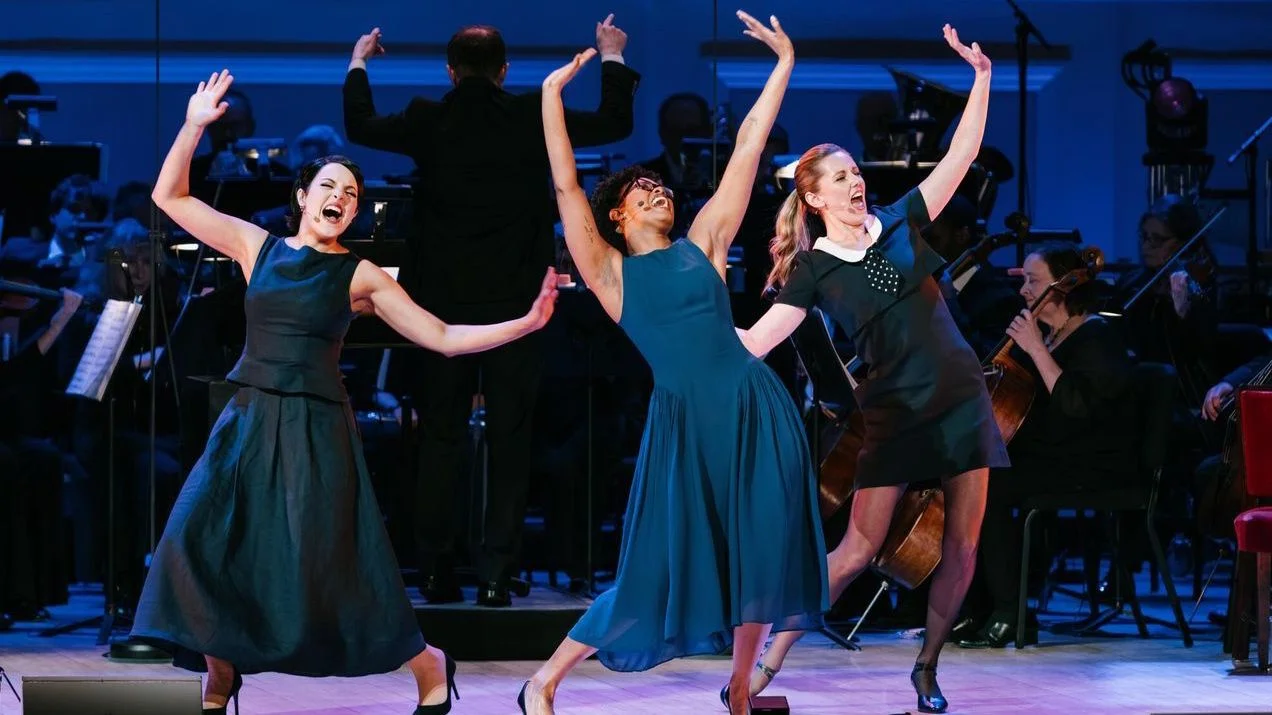
Monsky created, wrote, and narrates the show. He's a cultural historian known for the "American History Unbound" series, which tells stories from the country's past on the boards of Carnegie Hall. The Orchestra of St. Luke's plays live under the baton of Kimberly Grigsby. The vocal quartet is Shonica Gooden, Adam Kantor, Elena Shaddow, and David St. Louis, all experienced Broadway singers. Ron Howard, the actor and director of Apollo 13, delivers the introduction, and spoken-word segments come from Skylar Astin, Brent Comer, Claybourne Elder, Elizabeth Gillies, Taylor Louderman, and Joy Woods.
The bet here is that a theatrical frame can make a well-worn story feel urgent again. With a crew currently circling the Moon, that bet has better odds than most anniversary programming.