Technology
Latest technology news and innovations

The Lindsay Clancy case highlights severe issues within the U.S. healthcare system, revealing the dangers of fragmented care and lack of communication among providers.
September 04, 2026

Recent findings confirm that recipients of gene-edited pig kidneys can later receive human organ transplants, marking a significant milestone for xenotransplantation.
September 03, 2026

The trial's deadlock raises significant concerns for mental health professionals, especially in the context of postpartum care.
September 01, 2026

A new round of pharmaceutical price cuts has been announced, but crucial details and implications remain unclear.
September 01, 2026

Novartis celebrates a significant milestone with its BTK inhibitor for multiple sclerosis, advancing the treatment landscape for the disease.
September 01, 2026

Recent drug pricing agreements expand to additional companies, while Novartis and Bristol Myers suspend cell therapy trials due to safety concerns.
September 01, 2026

The House is poised to vote on a funding bill that would block Trump's initiative to control federal research grants, targeting bipartisan support.
September 01, 2026

The NIH's recent proposal to limit the number of grants per researcher has sparked varied responses, highlighting ongoing concerns in the biomedical research arena.
September 01, 2026

Novartis' latest drug, pacibekitug, successfully reduces inflammation in a Phase 2 study, suggesting potential for cardiovascular treatment.
August 29, 2026

The Lindsay Clancy case highlights systemic flaws in maternal mental health care, raising concerns about its impact on psychiatrist willingness to treat patients.
August 28, 2026

AstraZeneca and Ionis' heart disease treatment faced an unexpected failure, raising concerns and interest among biotech competitors like Alnylam.
August 28, 2026

AstraZeneca's heart disease trial disappoints, showing no added benefit, while a court affirms FDA's handling of drug shortages for prominent diabetes treatments.
August 28, 2026

Cytokinetics is set to submit aficamten for FDA approval, potentially the first drug approved for non-obstructive hypertrophic cardiomyopathy.
August 28, 2026

AstraZeneca's recent heart disease trial failure underscores the effectiveness of stabilizers over silencers for treating ATTR-CM.
August 28, 2026
A year after resigning from the CDC, former staff members highlight ongoing issues and advocate for a reformed public health system free from political bias.
August 28, 2026
Roivant's new therapy, Lisraya, recently approved by the FDA, offers a non-steroidal option for treating dermatomyositis.
August 27, 2026
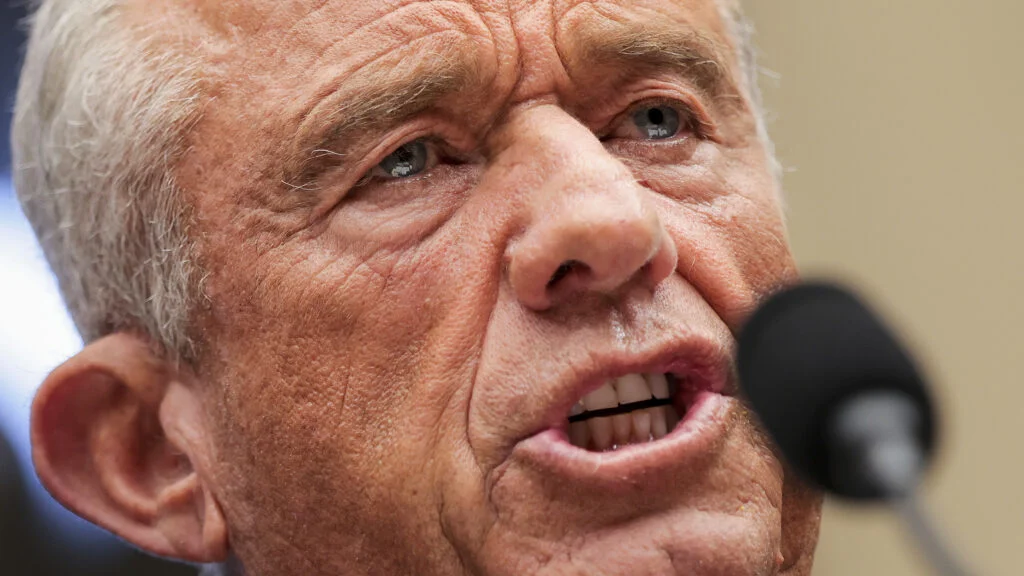
Health Secretary Robert F. Kennedy Jr. faces backlash over vaccine misinformation as PA confirms measles-related deaths; tensions escalate with state officials.
August 26, 2026
The FDA has approved Rasonque, a novel treatment for advanced pancreatic cancer, showing significant improvements in patient outcomes.
August 26, 2026

Pharmaceutical giants are poised to unveil data on new cardiovascular drugs targeting lipoprotein(a), marking a potential breakthrough in treatment.
August 26, 2026

In this edition of STAT's AI Prognosis: A conversation with Insitro CEO Daphne Koller on artificial intelligence in drug discovery, and other health AI news.
August 26, 2026