Technology
Latest technology news and innovations
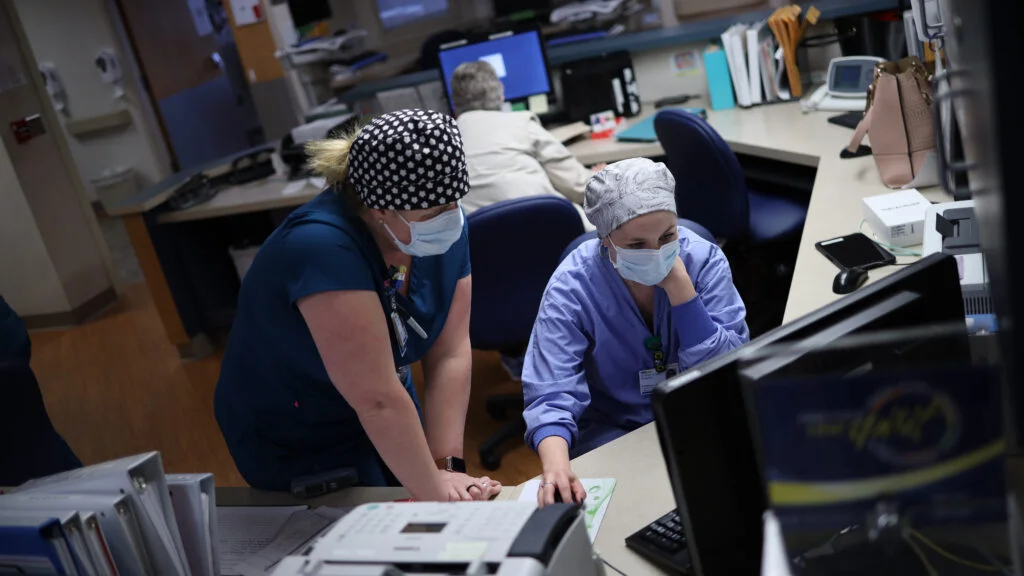
Nurses are increasingly spotlighting the risks of clinical AI, advocating for a collaborative approach to its development and deployment in healthcare.
August 11, 2026

Medicare's “Bridge” program aims to lower costs for GLP-1 medications, yet its complexity may hinder patient access to affordable treatments.
August 11, 2026
The FDA has rejected ITM-11 due to manufacturing concerns, hindering its potential as a competitor to Novartis’ treatment for rare neuroendocrine tumors.
August 10, 2026

The FDA now requires manufacturers to disclose food additive details, enhancing oversight for substances previously lacking regulation.
August 10, 2026
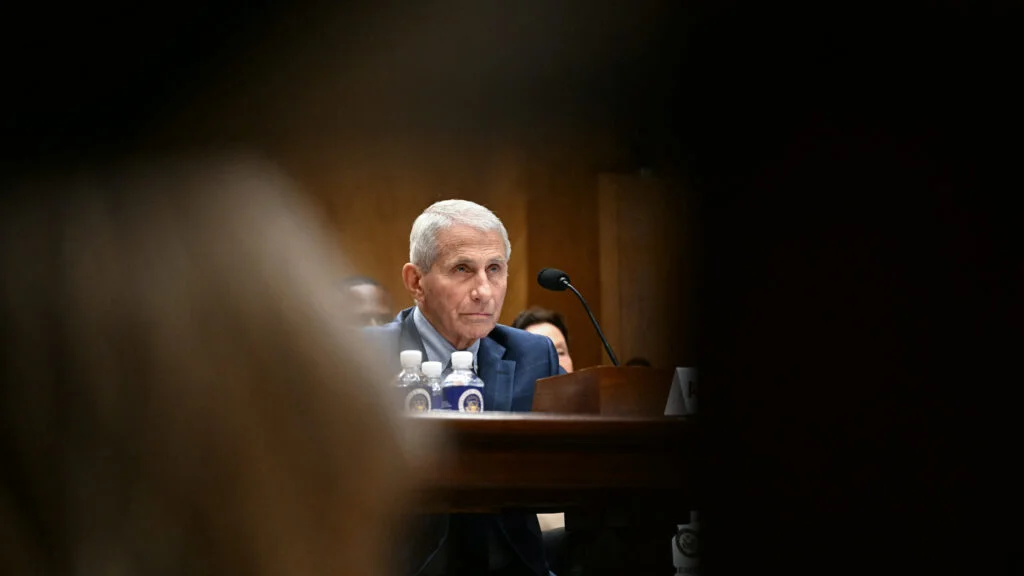
The recent Senate hearings on Covid-19's origins spotlight political distractions, while China's suppression of information remains a pivotal issue.
August 07, 2026

The NIH's proposed changes to funding eligibility may limit opportunities for international researchers on visas in the U.S. biomedical sector.
August 07, 2026

Replimune's new melanoma treatment gains FDA approval, while a Medicare policy change delays price negotiations for AbbVie drugs.
August 07, 2026

As Boston's biotech sector grapples with talent migration to California, new discoveries in Alzheimer's research signal both change and opportunity.
August 07, 2026

As AI tools proliferate in healthcare, the erosion of physician autonomy raises questions about clinical judgment, responsibility, and professional independence.
August 07, 2026
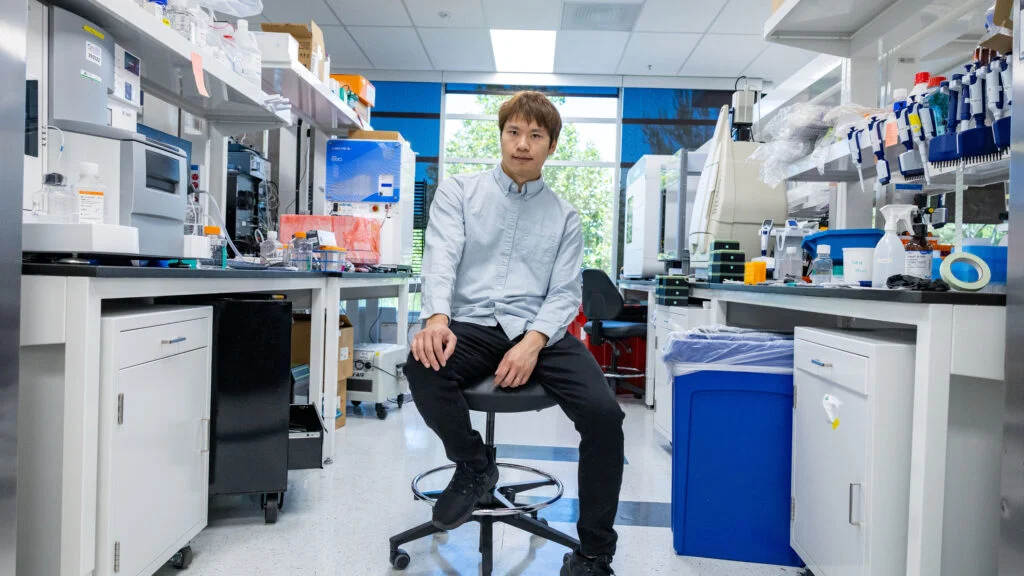
Felix Wong's biotech startup thrives in California's culture despite his Massachusetts roots and impressive academic pedigree.
August 07, 2026
Replimune's advanced melanoma drug, RP1, receives FDA approval after a challenging path, bringing hope to patients with a hefty price tag.
August 06, 2026
A recent Medicare policy change has postponed the price negotiations for a major AbbVie drug, potentially impacting taxpayers significantly.
August 06, 2026

A recent study reveals tau protein’s unexpected influence on cellular function, suggesting novel strategies for Alzheimer’s treatment.
August 06, 2026
The FDA has recently approved a new therapeutic drug and a vaccine, shaping the future direction of biotechnology and addressing pressing health needs.
August 06, 2026
The FDA has approved Takeda's Orzeyful, a new orexin receptor agonist that promises to improve daytime alertness for narcolepsy patients.
August 05, 2026
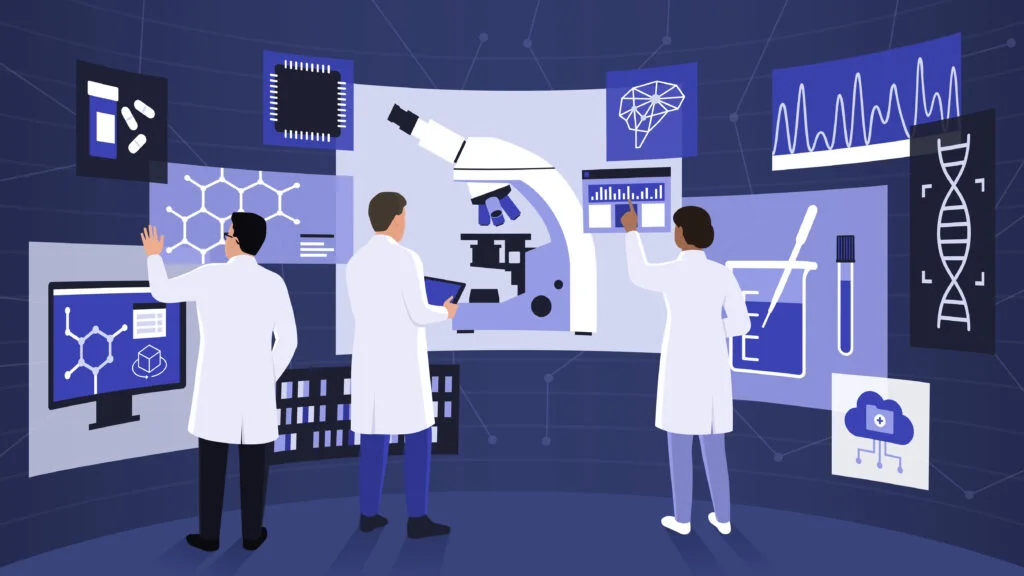
Federal health officials convene with major tech firms to discuss the future of clinical AI, aiming for safe implementation and regulatory clarity.
August 05, 2026

A clinical trial indicates potential for fecal microbiome transplants to improve peanut allergy tolerance, exciting experts in the field.
August 05, 2026

A child’s death in a CRISPR gene-editing trial by HuidaGene raises serious concerns about safety and regulatory oversight in China’s biotech sector.
August 05, 2026

Moderna has launched a clinical trial for its mRNA-based Ebola vaccine, marking a significant step in combating this viral disease.
August 05, 2026
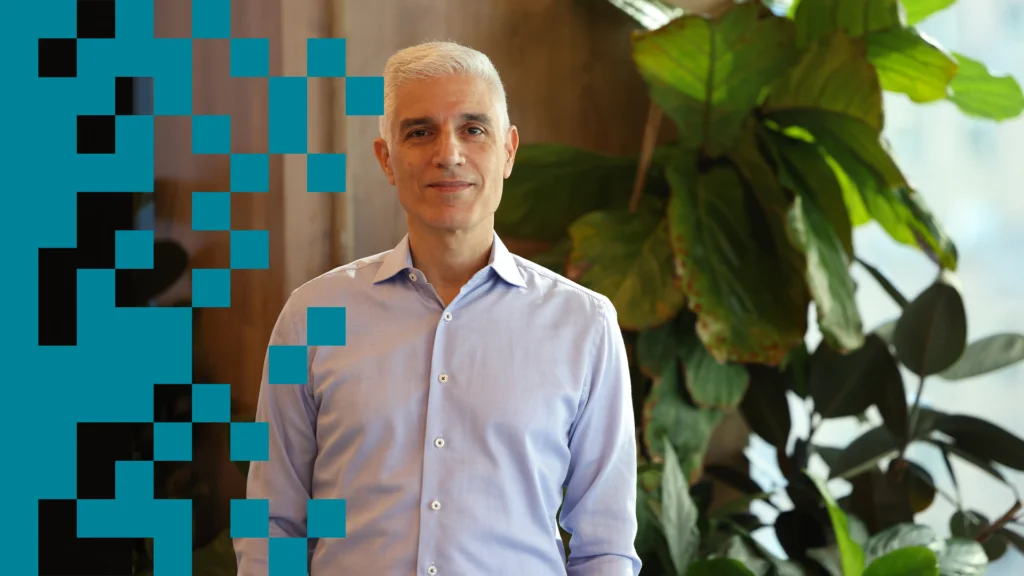
Ramy Farid of Schrödinger reflects on the evolving role of AI in biotech, envisioning clearer perceptions in the industry within five years.
August 05, 2026