The Unistellar eQuinox 2’s strongest case is how little friction it adds to observing a rare event. During the UK’s Aug. 12, 2026 partial solar eclipse, it found and tracked the Sun, letting me watch the changing view on an iPad and capture images through each stage. That combination matters because an eclipse unfolds on its own schedule: once the view is set up, there’s little time to troubleshoot controls or keep nudging a telescope into place.
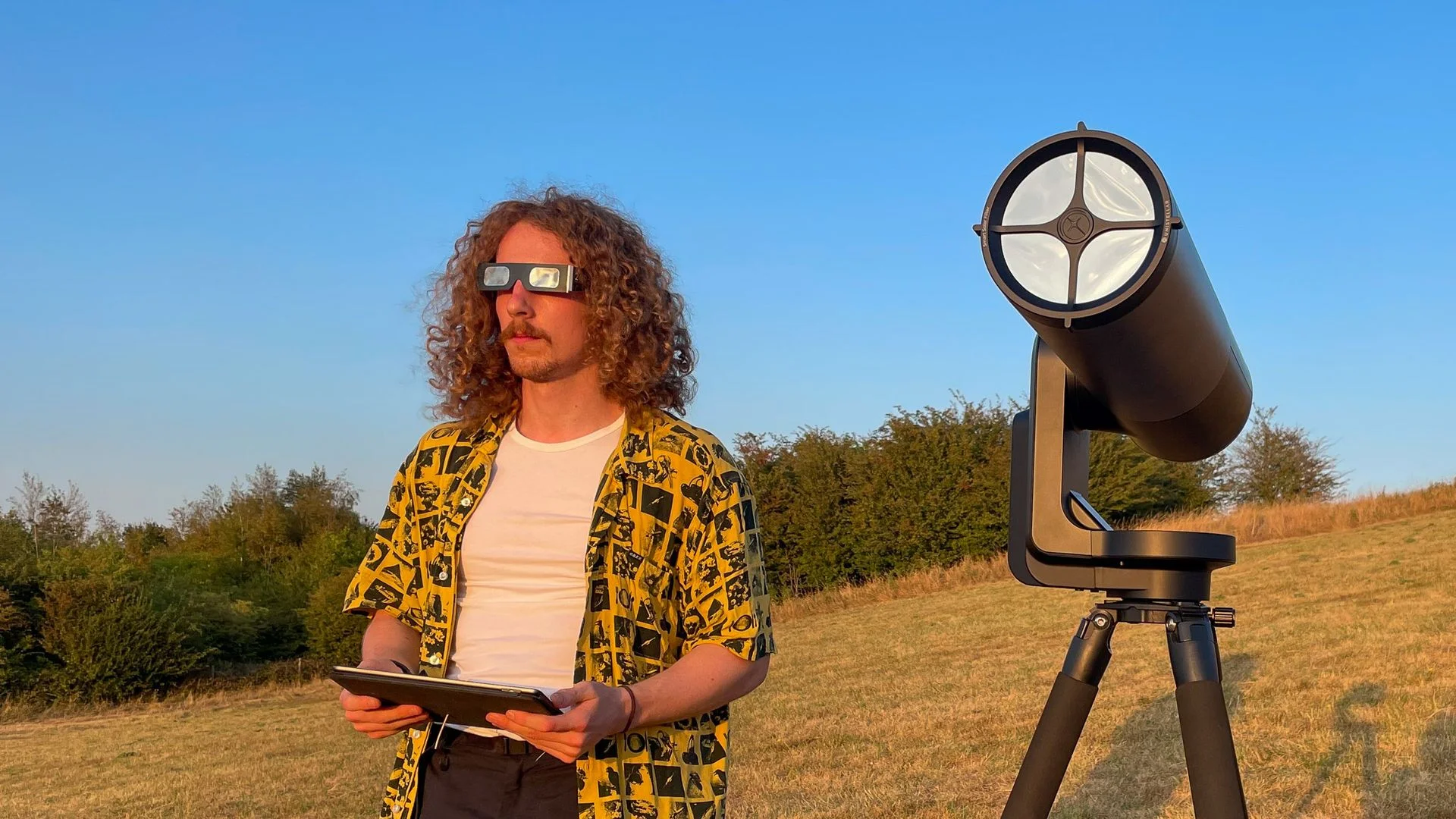
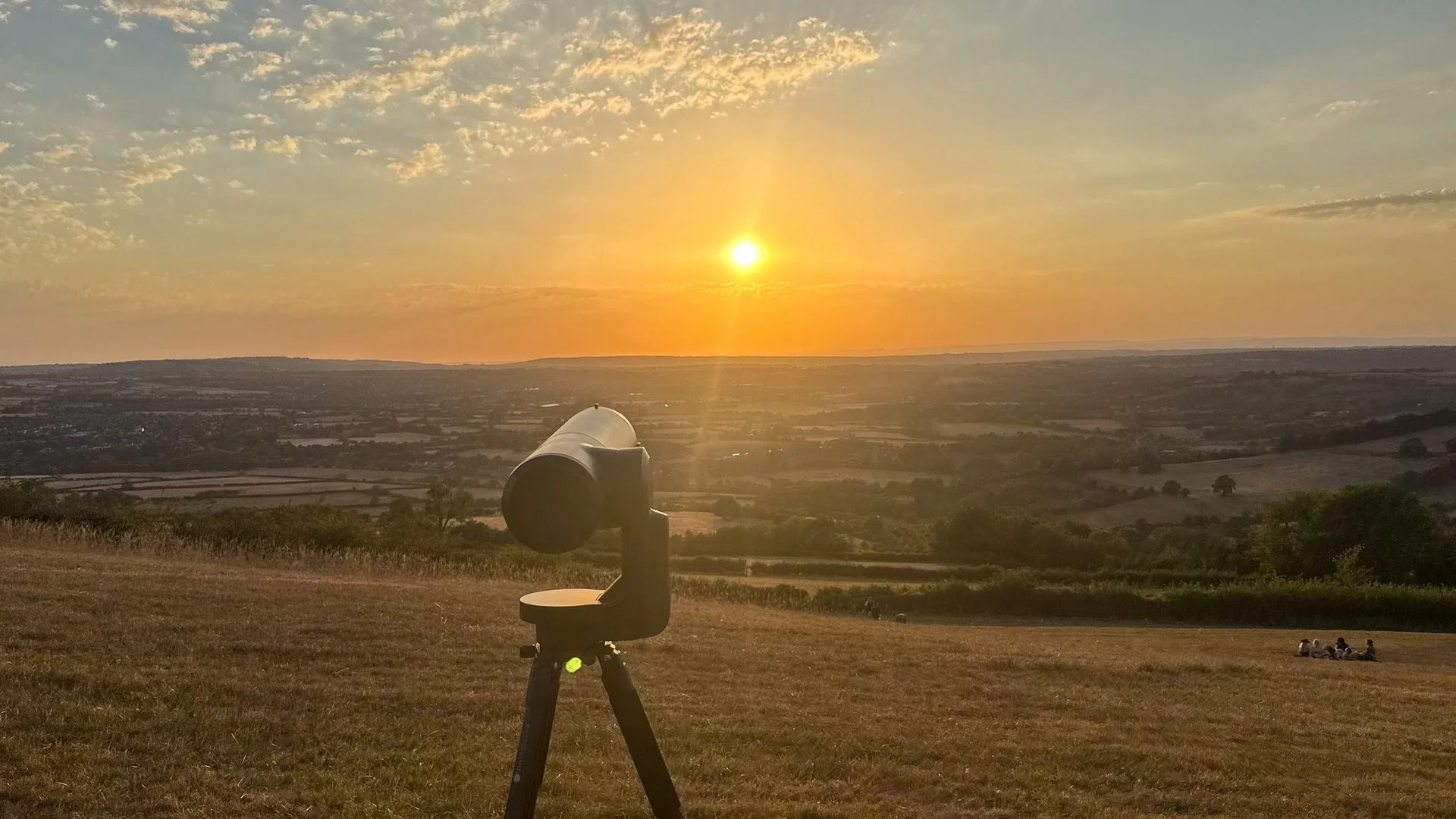
Coverage across the UK ranged from 88% to 96%, making it the country’s most significant solar eclipse since 1999. I set up the telescope on Kelston Roundhill in Somerset, attached Unistellar’s official solar filter, then selected the Sun in the app. The eQuinox 2 located it without fuss; its orange disk appeared on screen, ready for viewing and photography. The setup still depends on having the right filter and a clear view of the sky, but the app took much of the aiming work out of the process.
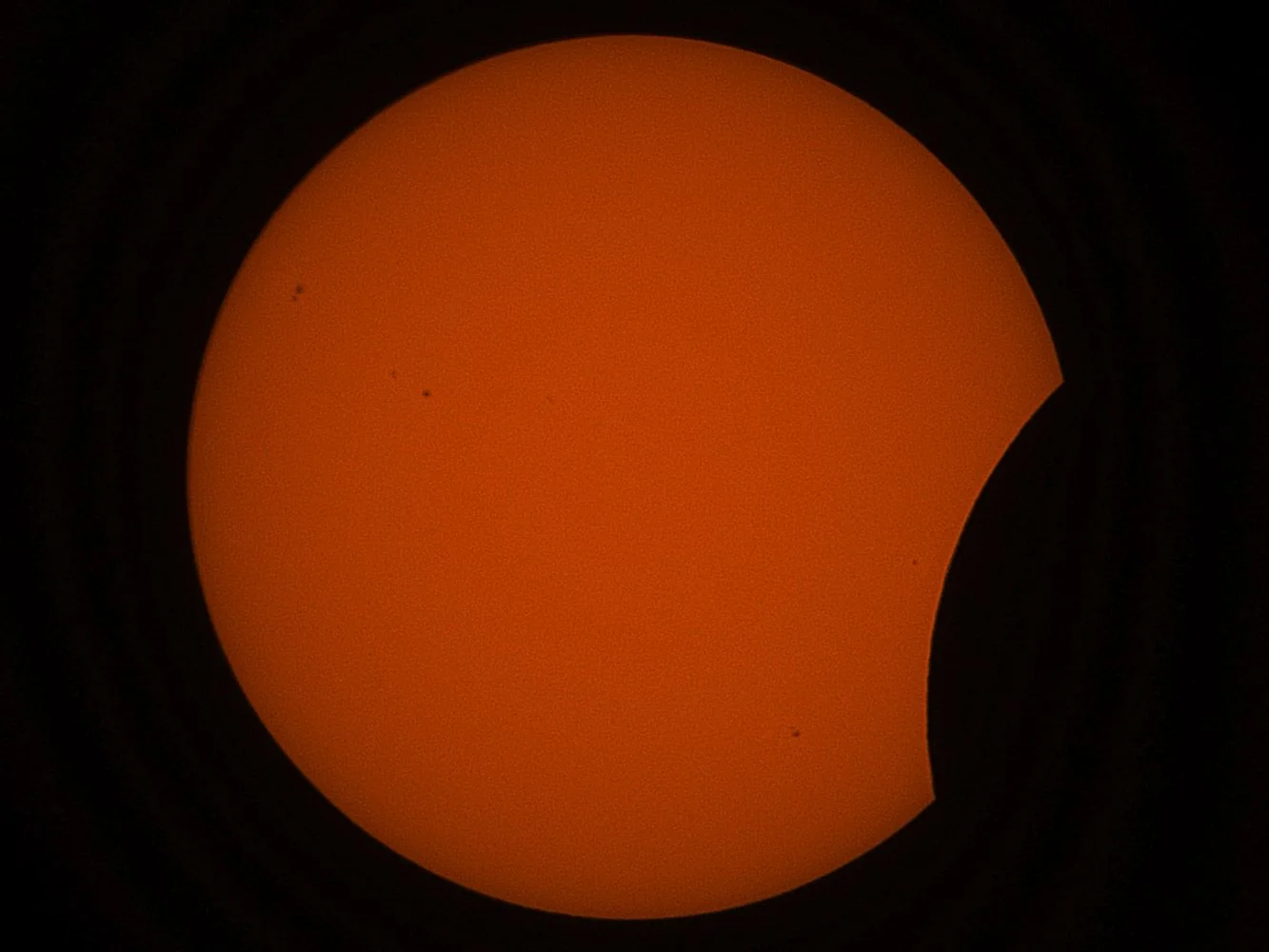
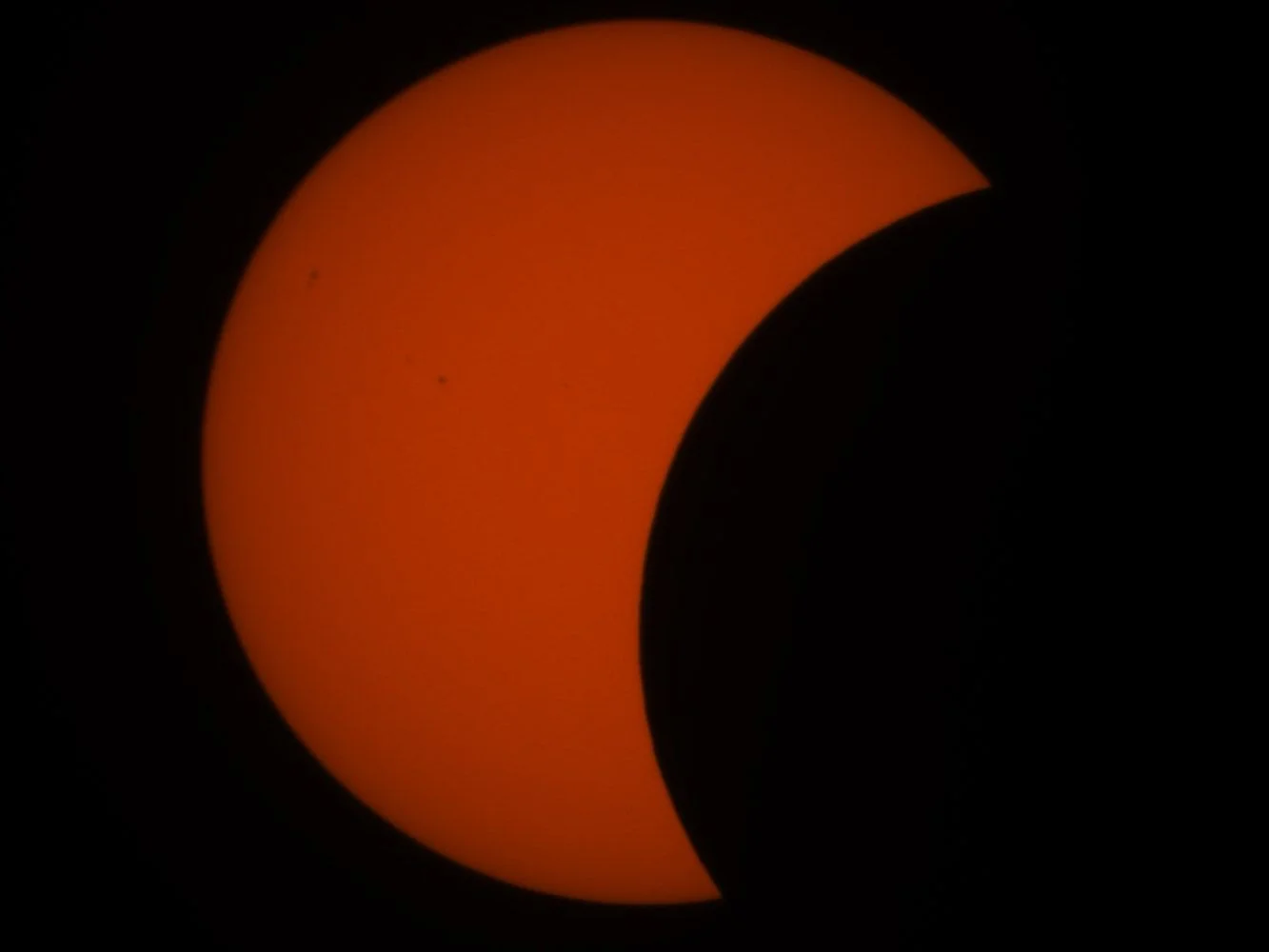
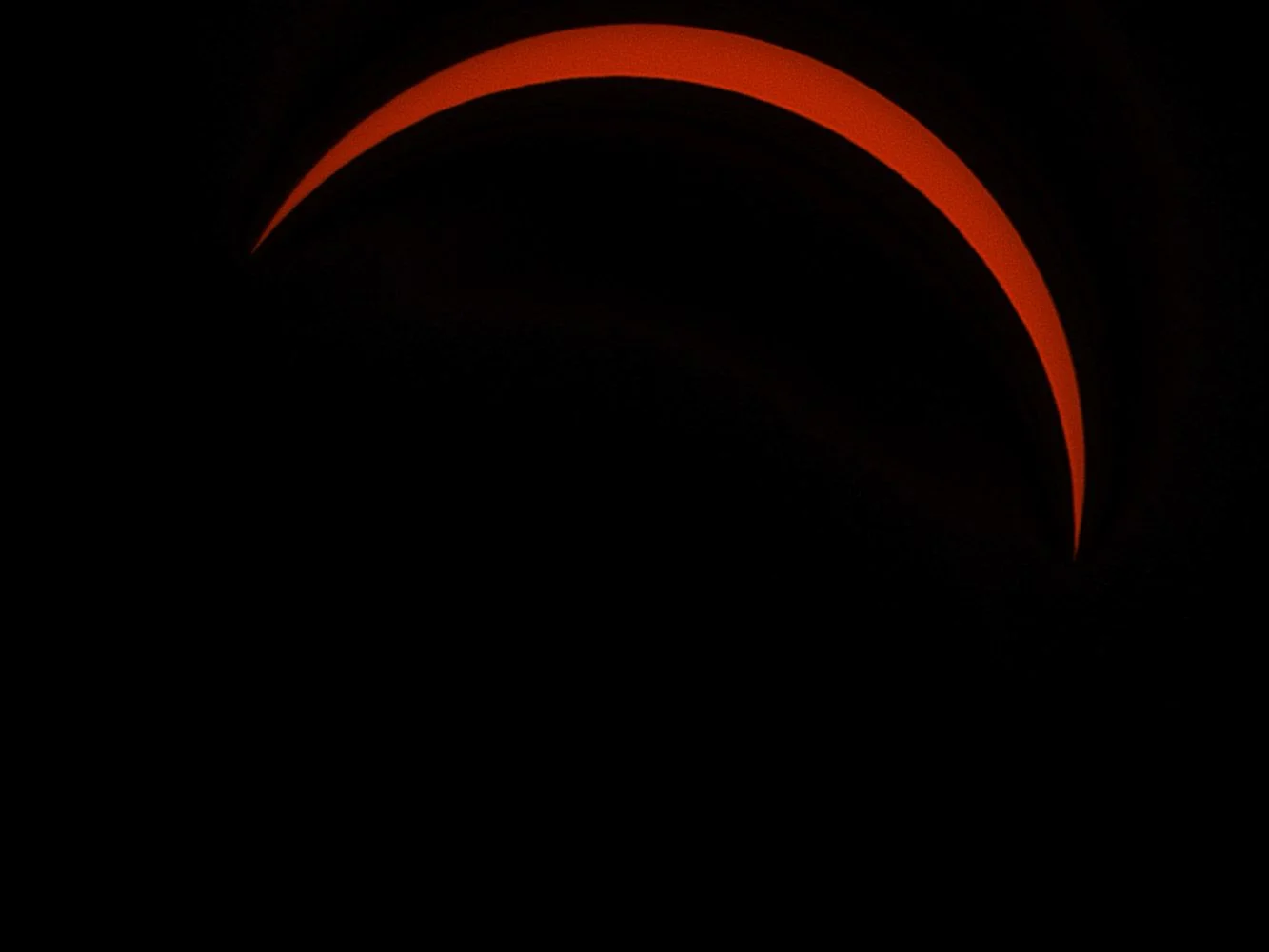
Tracking makes a brief event easier to follow
The experience made the telescope’s automation feel useful in a practical way. With the Sun tracking across the sky, I could concentrate on the image or observe through eclipse glasses instead of repeatedly adjusting the instrument. The screen also offered a closer view than the glasses alone, giving me a way to follow the changing shape of the solar disk while keeping the event in context. For a first eclipse, having both options made the event easier to follow and preserve.
That convenience is more significant than it looks. A telescope that keeps its target centered can reduce the small interruptions that pull attention away from a time limited observation. App control also lets the observer switch between watching and capturing images without having to work at the telescope itself. It doesn’t remove the need to prepare carefully, but it makes the actual viewing feel less like equipment management.
Solar viewing depends on the right filter
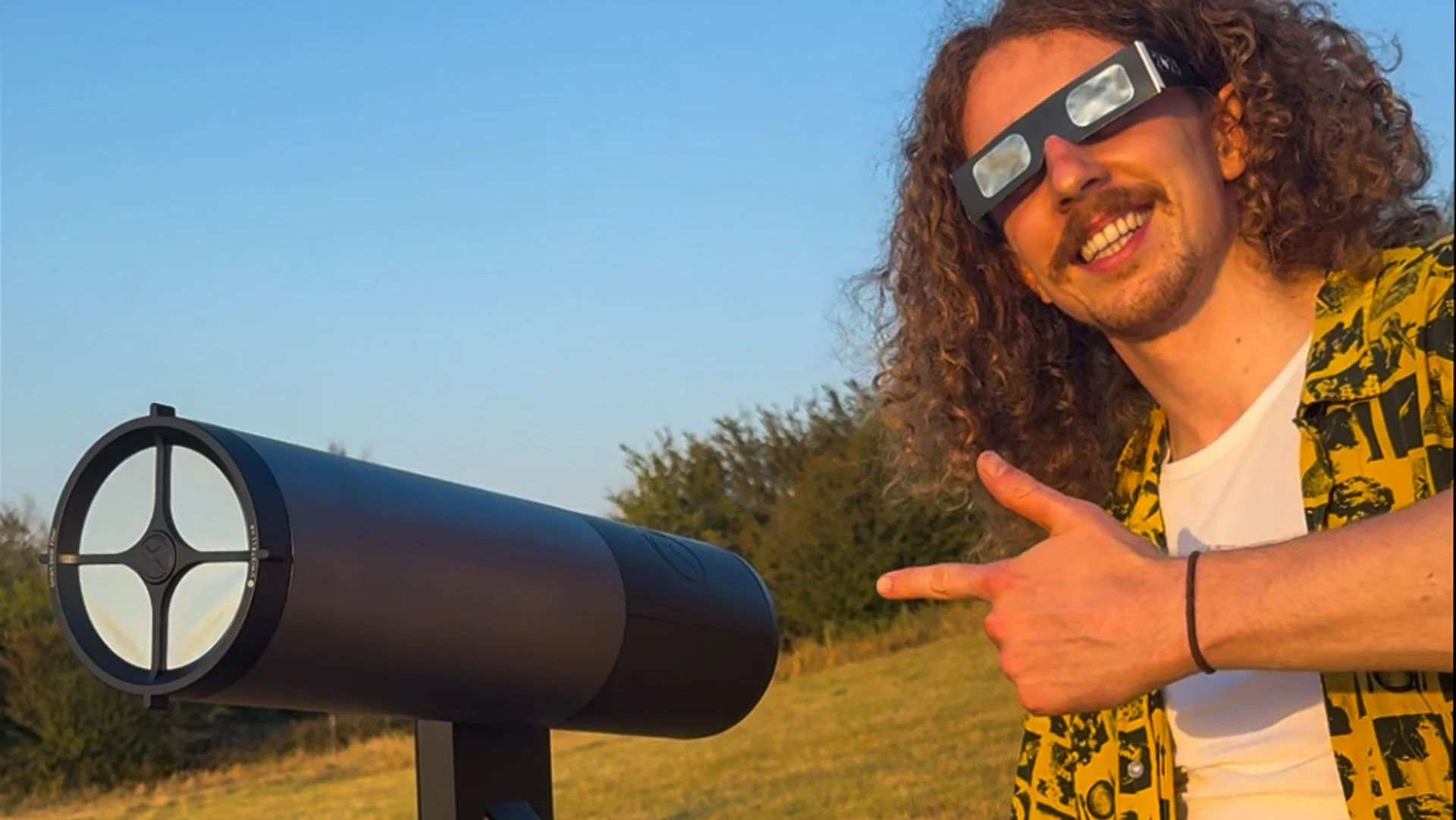
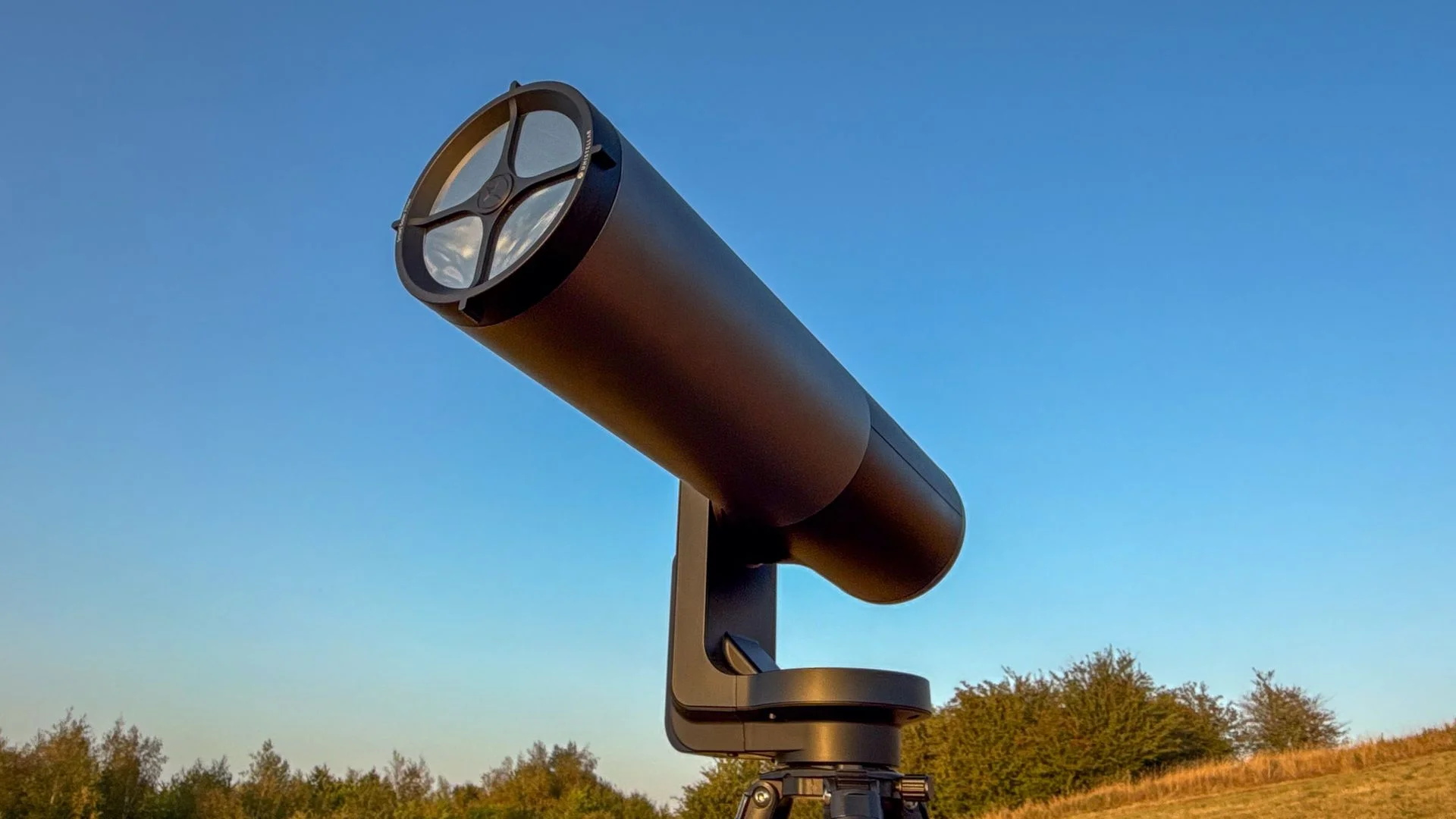
The solar filter is essential equipment. Never point a telescope at the Sun without an approved filter designed for that model: direct sunlight can permanently damage your eyes or the telescope’s sensor. Unistellar sells filters for the eQuinox 2 and eVscope 2, as well as models in its Odyssey range. The filter’s role is fundamental, not an optional extra for improving image quality; the telescope’s tracking and camera features don’t make unfiltered solar viewing safe.
Before observing, the filter needs to be attached as directed for the telescope. This is the part most people overlook when they focus on app features and image capture. A smart telescope can simplify finding the Sun, but that also means the safety step has to happen before the instrument is pointed at it. If you’re working in this space, the distinction between easy operation and safe operation should be clear in any buying decision.
Price and specifications put the eclipse use in context
For Black Friday 2026, Unistellar is discounting its smart telescopes, solar filters and backpacks by 20%. The eQuinox 2 falls from its usual $2,899 price to $2,319, while its solar filter drops from $249 to $199. Amazon listings also advertise discounts of up to $1,100 on Unistellar telescopes. Buyers of the company’s Envision smart binoculars receive an accessory pack valued at $357. These promotions change the cost of entry, though the telescope and filter remain separate purchases in the listed prices.
The eQuinox 2 launched in February 2023. Its specifications include a 4.5-inch aperture, 450mm focal length and f/4 Newtonian reflector design. A Sony IMX347 CMOS sensor captures 6.2MP images, while the motorized alt-azimuth mount provides go-to targeting and automatic tracking. Other headline features include Smart Light Pollution Reduction, a catalog of more than 5,000 objects, 64GB of storage and an 11-hour battery. The telescope weighs 20 pounds with its tripod, a consideration for anyone expecting to carry it to a viewing site.
Those specifications describe a system built around finding targets and recording what the camera sees. The aperture and sensor define the optical and imaging hardware, while the mount and app shape how much work the observer has to do. The listed storage and battery capacity also speak to extended sessions, though they don’t by themselves tell you how the telescope will perform under every observing condition. The eclipse is a useful demonstration of the workflow, rather than a complete verdict on every feature.
Guided observing comes with a trade-off
Its appeal extends well beyond eclipses. The eQuinox 2 is designed to help locate and photograph star clusters, nebulae and galaxies, including from city locations affected by light pollution. Its app led operation lowers the effort involved in finding targets, though it won’t suit observers who want to learn manual sky navigation on a traditional telescope. That difference goes to the heart of the product: it makes observing more accessible by shifting some of the work from the user to software and motors.
For some buyers, that’s the point. A guided system can make it easier to spend an evening collecting views instead of learning where to aim; for others, that process is part of the pleasure. The eQuinox 2 doesn’t erase the skills involved in astronomy, but it changes which skills the user needs most. Less setup. More time at the eyepiece or screen.
What the eclipse says about the eQuinox 2
That trade off is central to the eQuinox 2’s appeal: it prioritizes guided observing and image capture over hands on target finding. For solar events, the combination of app control, tracking and a dedicated filter can make fleeting stages easier to record. The eclipse showed how that convenience can turn a brief window of clear skies into a set of images worth keeping.
And yet, an eclipse is only one use case. The strongest takeaway is that automation can serve a real purpose when the target is moving and the viewing window is limited, while the filter remains a non negotiable part of safe solar use. What this means for you depends on whether you value quick target acquisition and recorded images more than the hands on experience of a traditional telescope. The convenience is real; so is the trade off.
See the eQuinox 2 at Unistellar | See the compatible solar filter