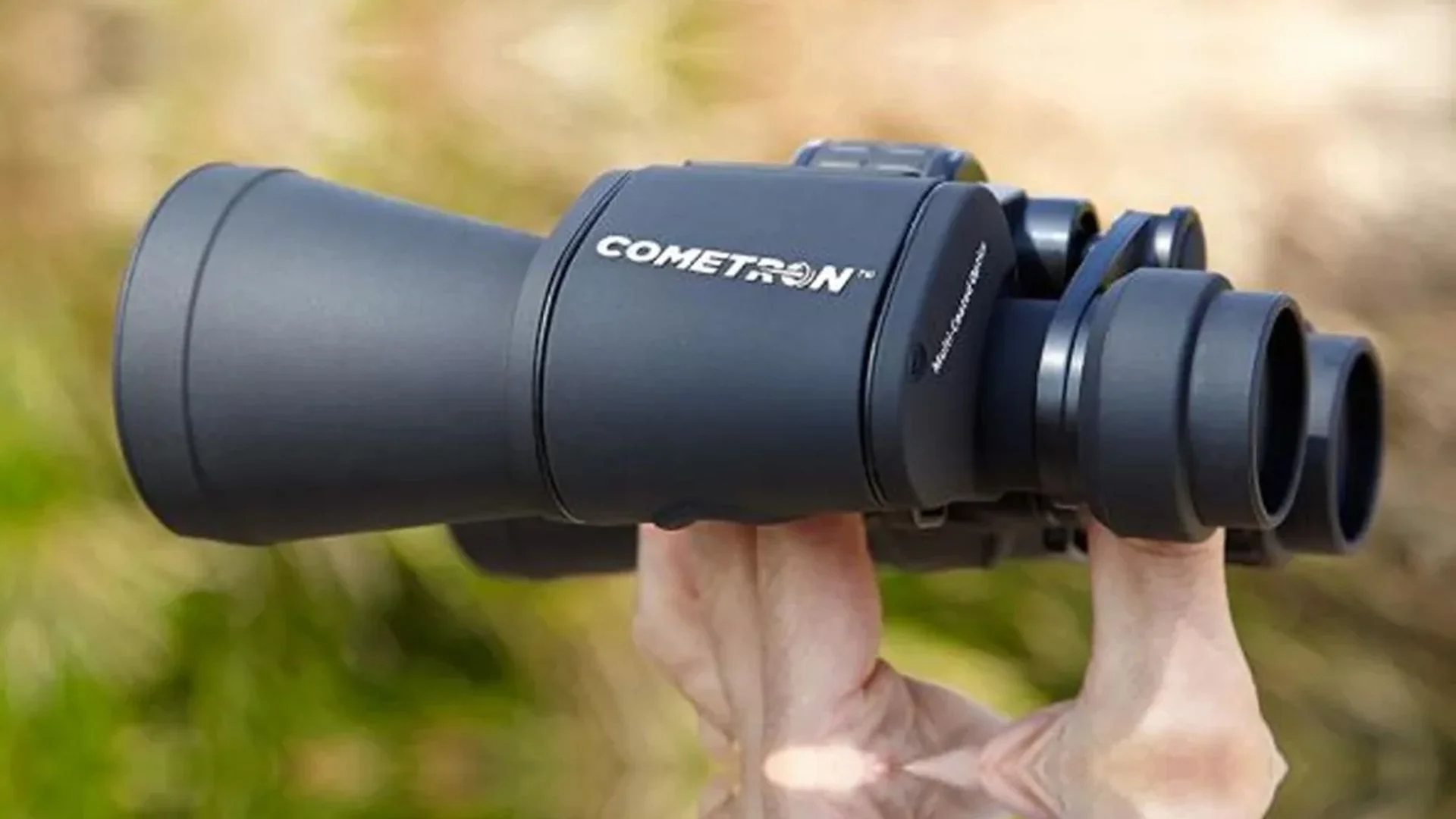
At $36, the Celestron Cometron 7x50 offers an inexpensive way to get a wider view of the night sky than you’ll get with the naked eye. Amazon’s price is 25% below the binoculars’ usual $48 retail price and is the lowest since June 2026, when they briefly reached $34. That recent low was only $2 cheaper, so the current deal is close to the best recorded price in the source’s pricing history.
Amazon has the Celestron Cometron 7x50 for $36. BHPhotoVideo lists it at $40, a $4 difference that gives shoppers another price point to compare before buying. The Amazon offer is the lowest of those two listed prices.
A wide, bright view without a tripod
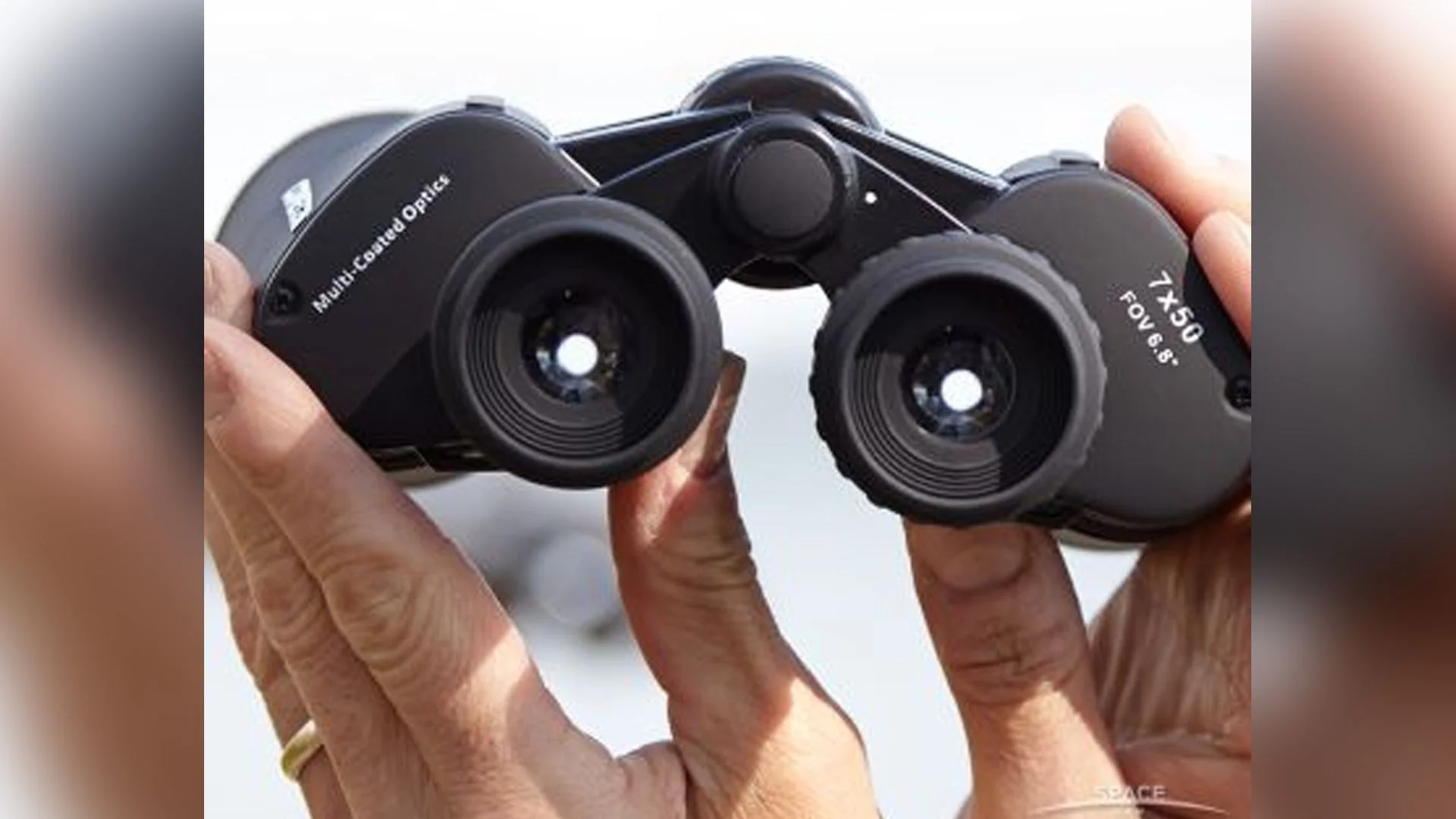
The 7x magnification keeps the view manageable by hand, while the 50mm objective lenses gather light for brighter views of star fields, constellations and the Milky Way. That combination favors orientation and broad skywatching over close inspection: you can sweep across a large patch of sky, but these aren’t designed to reveal the fine detail that higher magnification can bring. The 6.8-degree field of view reinforces that strength, making it easier to scan broad stretches of sky than to follow small targets.
That’s a useful trade-off for beginners. Finding a constellation or taking in a sweep of the Milky Way can be more rewarding at first than trying to hold a narrow, highly magnified view steady. If you’re working in this space, think of the Cometron as a simple companion for learning the sky, rather than a replacement for a telescope or a specialist instrument.
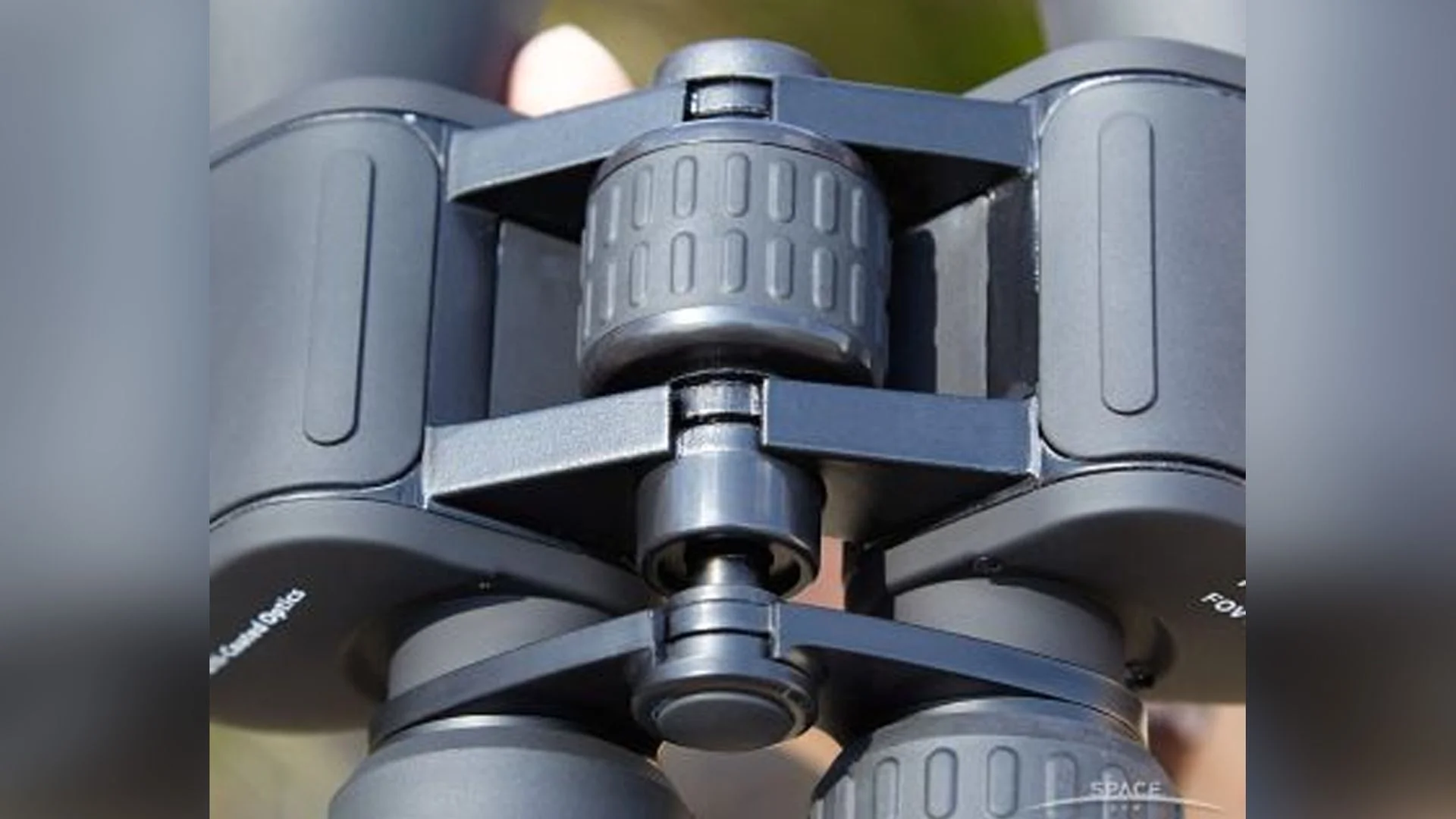
At 27 ounces (777 grams), the Cometron is light enough for many younger observers to handle. Its 13mm eye relief can also accommodate some eyeglass wearers, though the fit depends on how close the eyepieces sit for an individual observer. The binoculars use BK-7 glass porro prisms and multi-coated lenses, and they’re water-resistant. Those specifications describe an entry-level product; they don’t establish how it will perform in every observing condition.


Where the budget shows
The Cometron’s appeal is straightforward: it gives beginners a broad, bright view at a low price, and its modest magnification makes casual observing easier. In a four-star review, the binoculars were also recommended as a beginner-friendly option for kids. This is more significant than it looks for a first pair: ease of handling and a wide view can make it simpler to get started without adding setup or support equipment.
There are limits. Shoppers seeking premium optical sharpness, higher magnification or stronger weather protection should look elsewhere. The source doesn’t offer a detailed comparison of optical performance, so the specifications alone can’t establish how the Cometron fares against more expensive models in practical use. Still, the intended role is clear: accessible skywatching, with the compromises that come with an entry-level design.
Celestron launched this model in August 2013, and it hasn’t been presented as a new design. That age matters mainly as context: buyers should judge it by its stated features and price, rather than assume it includes newer capabilities. For learning constellations or sharing wide-field views of the night sky, the $36 price makes the trade-offs easier to accept.
What the deal means for a first pair
For a beginner, the choice is less about chasing the strongest magnification and more about whether the binoculars fit the way they plan to observe. The Cometron’s 7x power and broad field favor casual scanning, while the weight and eye relief may help make sessions more comfortable for some users. And this is the part most people overlook: a pair that’s easy to point and hold can be more useful for learning the sky than specifications that look impressive on a product page.
The price is compelling, but it doesn’t turn an entry-level model into a premium one. If you want a simple way to look at star fields and constellations, $36 is a reasonable point of entry; if fine detail or tougher weather protection matters more, the stated compromises are likely to matter too. A practical starter pair.