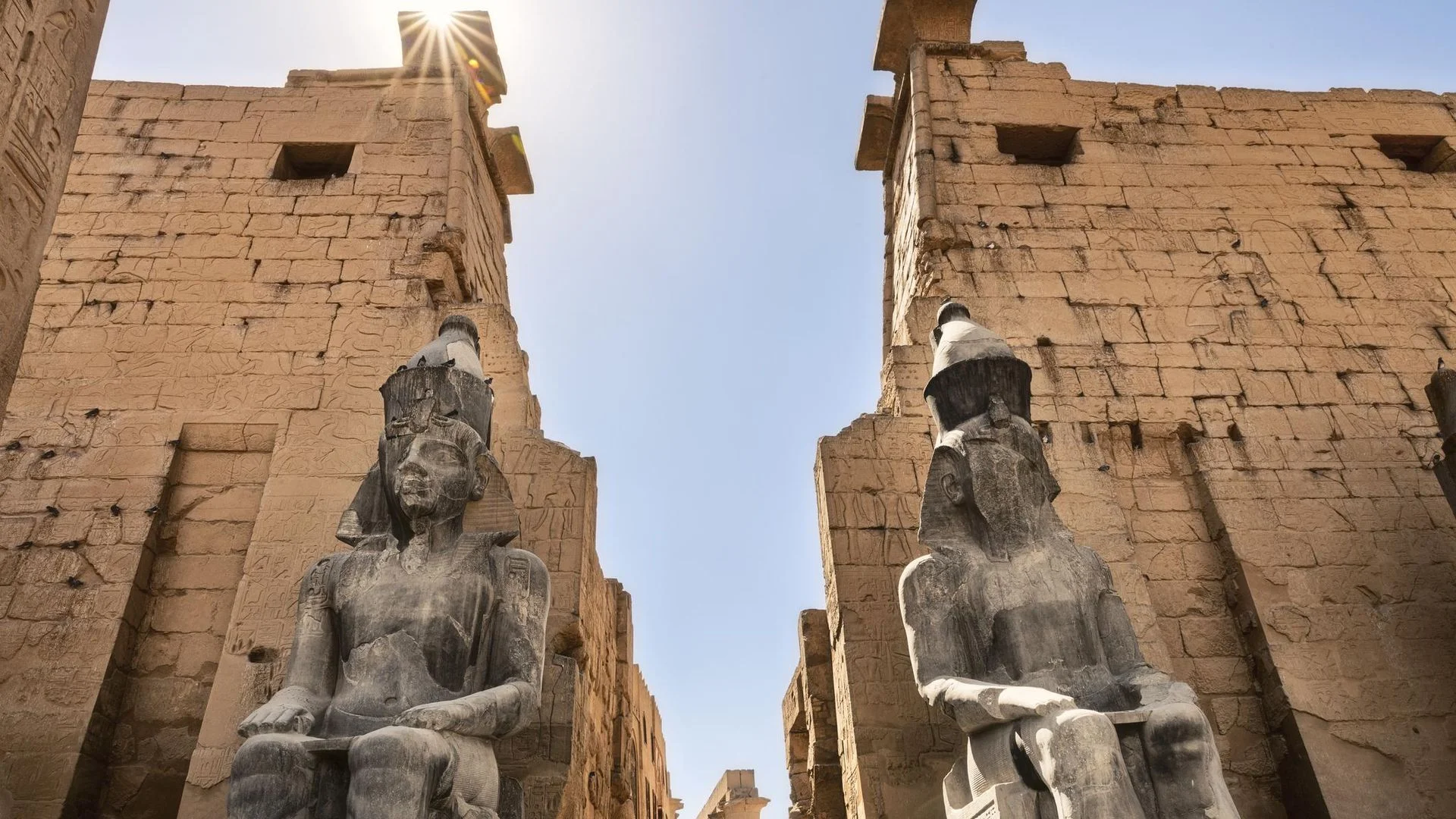
Eclipse prediction is a forward-looking exercise, but the same math works in reverse. On Aug. 2, 2027, the moon's dark central shadow, the path of totality, will cross Egypt and pass directly over Luxor, plunging some of the country's greatest monuments into darkness. Totality in Luxor begins at approximately 1:02 p.m. EEST and lasts 6 minutes 22 seconds, according to Time and Date. Knowing that with precision is useful for tourists. Run the clock backward, though, and it becomes something historians have wanted for a long time: a way to pin an ancient event to a specific day.
Astronomers can reconstruct where a moon's shadow fell thousands of years ago, even when no one bothered to write it down. The catch is that a calculated eclipse is only a historical anchor if someone recorded seeing one. Without a text, the math tells you the sky did something. It doesn't tell you what a king was doing about it.
An eclipse without a witness
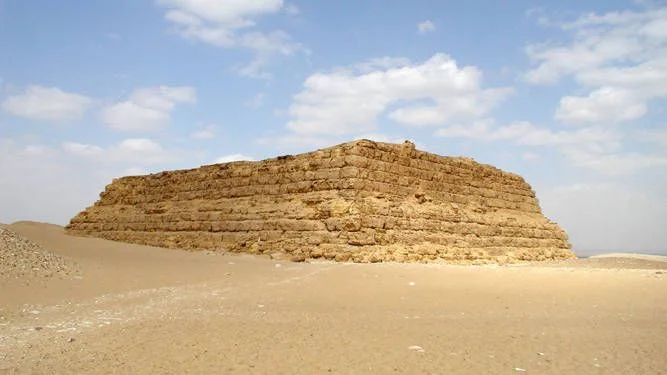
Egypt had eclipses long before anyone wrote one down. On April 1, 2471 B.C., a total solar eclipse crossed northern Egypt during the age of the great pyramid builders. In research published in 2025, archaeoastronomer Giulio Magli of the Polytechnic University of Milan suggested that this eclipse may help explain a puzzling decision. Pharaoh Shepseskaf broke with the pyramid tradition and built a huge rectangular tomb at South Saqqara instead.
It's a tantalizing idea, and it's also a fragile one. No surviving Egyptian text records the 2471 B.C. eclipse, so the connection rests on inference. That's the difference between a date you can calculate and a date you can defend.
The eclipse that could actually carry historical weight came roughly 1,300 years later, and it comes with a complication.
A possible eclipse in the Bible
The Old Testament book of Joshua describes the sun and moon as if they stopped in the sky. After leading the people of Israel into Canaan, modern-day Israel and Palestine, Joshua prayed: "Sun, stand still at Gibeon, and moon, in the Valley of Aijalon. And the sun stood still, and the moon stopped, until the nation took vengeance on their enemies." Ancient Gibeon sits about six miles (10 kilometers) northwest of Jerusalem.
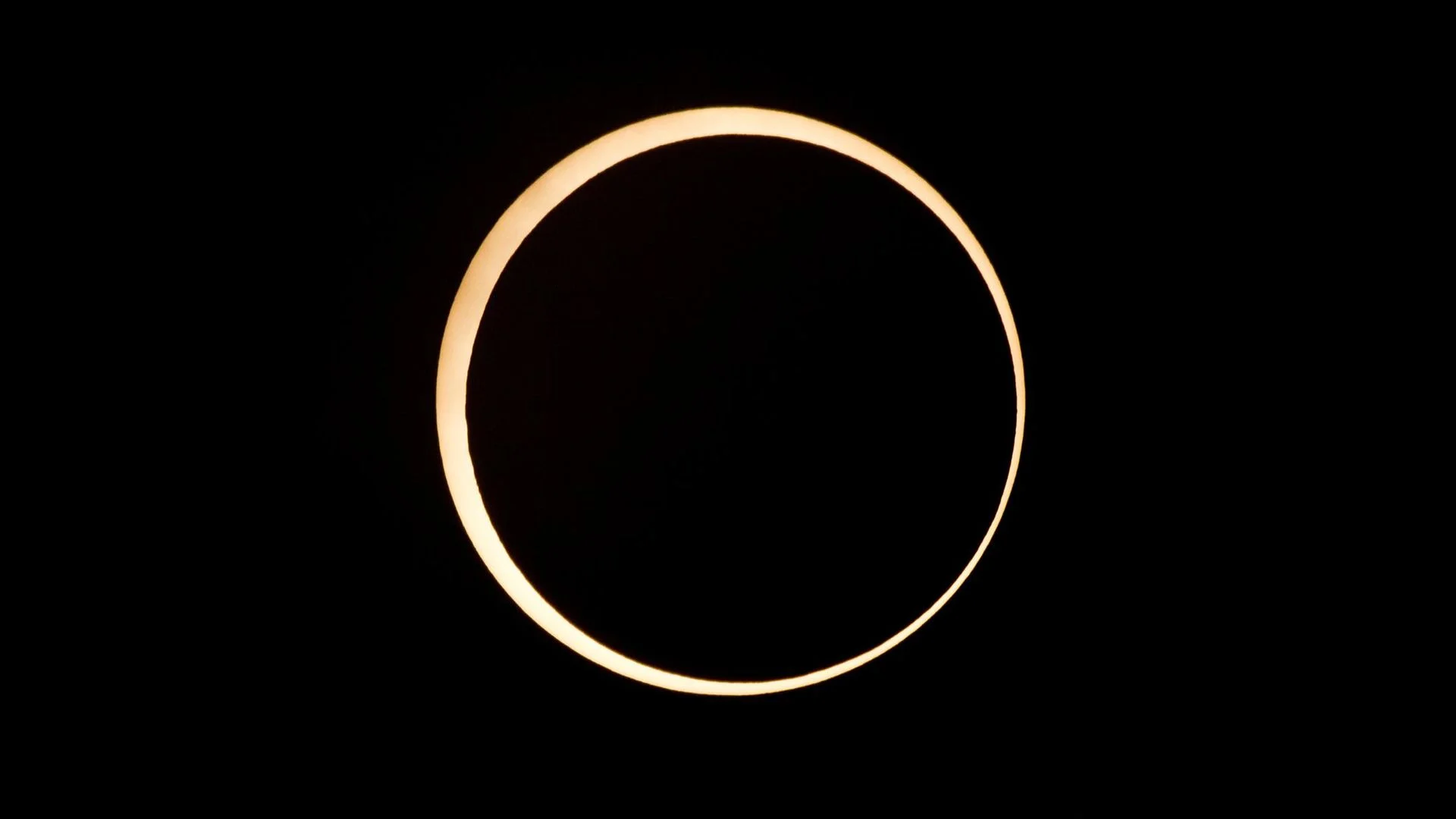
In research published in 2017, Colin Humphreys and Graeme Waddington of Cambridge University argued that the passage could describe an annular solar eclipse on Oct. 30, 1207 B.C. This is a contested reading, and not only because it depends on how the ancient Hebrew is translated. Still, if it holds, it would be the oldest recorded solar eclipse with an identified date. It could also tighten the dating of Ramesses II, also known as Ramesses the Great.
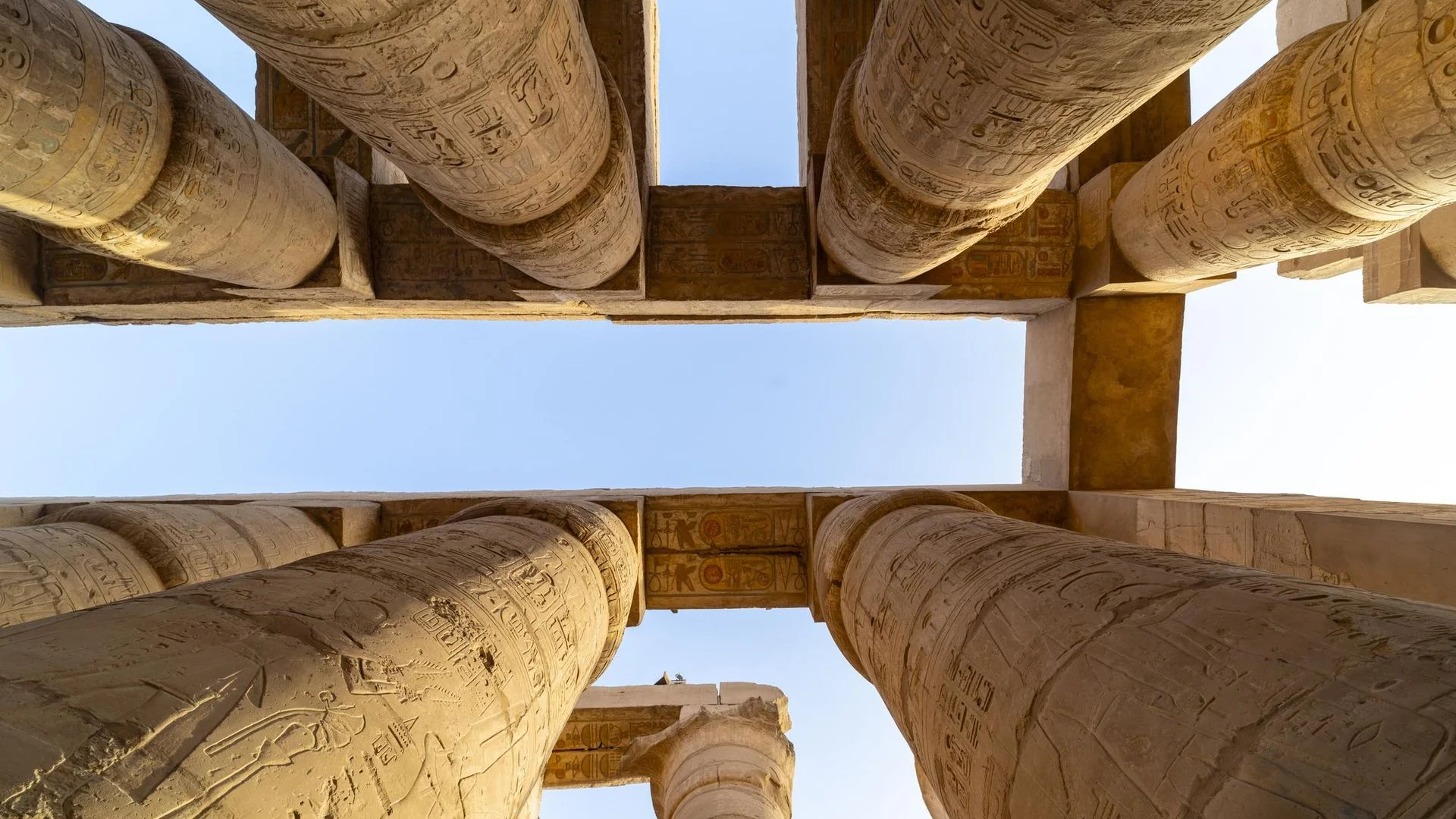
Ramesses reigned for 66 years during Egypt's New Kingdom. He commissioned Abu Simbel, made major additions to Karnak and Luxor Temple, and lived to be over 90. His reign marked the last great peak of Egyptian imperial power. The BBC calls him the "Jupiter" of the pharaonic system, which is a fair description of his gravitational pull on the chronology. The problem is that the precise dates of his reign are still debated. Historians stitch together archaeological, textual and astronomical evidence, and any fixed point in the sky would be a welcome addition to that process.
Where the Merneptah Stele fits
The Merneptah Stele, now in the Egyptian Museum in Cairo, is a large inscribed granite monument dating to the fifth year of Pharaoh Merneptah, Ramesses II's successor. It was discovered in 1896 at Merneptah's mortuary temple on the west bank of the Nile, opposite modern Luxor. It describes an Egyptian military campaign in Canaan and mentions Israelites. Egyptologists generally date Merneptah's reign to roughly 1213 to 1203 B.C., which places his fifth year around 1209/1208 B.C. If that's right, the Israelites were already living in Canaan by then.
Humphreys and Waddington's calculations accounted for long-term changes in Earth's rotation. Using them, they identified an annular eclipse visible from Canaan for five minutes on the afternoon of Oct. 30, 1207 B.C. They proposed that it fell in the second, third or fourth year of Merneptah's reign. That's the kind of narrow window that makes a chronologist sit up. If the eclipse is real and the Joshua reading holds, it becomes a fixed astronomical point that could help align the sequence of pharaohs.
Can one eclipse settle a dispute?
Not on its own. If the Humphreys and Waddington reading is correct, the 1207 B.C. eclipse would be the oldest identified solar eclipse in a written record, and it would push Ramesses II's reign to approximately 1276 to 1210 B.C., with an uncertainty of about a year. That's a few years off the conventional 1279 to 1213 B.C. dates used by the British Museum. Small shifts like that matter when every other date in the Late Bronze Age hangs off the same framework.
The weak link is the text. Marinus Anthony van der Sluijs has challenged the eclipse reading in a paper arguing that the Joshua passage places the sun over Gibeon and the moon over the Valley of Aijalon at the same time, which describes two celestial bodies in different spots rather than an eclipse. If he's right, the astronomy is beautiful but has nothing to attach to. An eclipse can work like a timestamp on an undated photograph only if you're confident the photograph shows what you think it shows.
The eclipse that needs no interpretation
The 2027 eclipse is different, and that's the point. There's no translation debate about where the shadow will fall. We already know the path across Egypt, the moment it reaches Luxor and how long the darkness lasts. Nothing about it depends on a disputed verse or a contested reading of a stele.
The gap between the eclipses is a useful reminder of scale. About 4,500 years separate the 2027 eclipse from the one that crossed Egypt in 2471 B.C., and 3,233 years separate it from the 1207 B.C. event. Both are moves of the same celestial clock. Run it forward and you get a prediction that thousands of people will photograph on a single afternoon. Run it backward and you get a date that might, with enough evidence, settle an argument about a pharaoh. The sky keeps the same time in both directions. Whether the historical record can match that precision is the harder question, and it's one the next text or fragment could still answer.