Two games in one trailer
Martian Isolation starts out as The Martian: scavenge resources, grow crops, patch up your base. Then the lights start flickering and the walls start bleeding, and it becomes something closer to Event Horizon. That split is the most interesting thing about this first-person survival horror game. Plenty of games borrow a premise, but few try to swap genres halfway through a session. Whether the swap feels earned or cheap will decide most of the reaction.
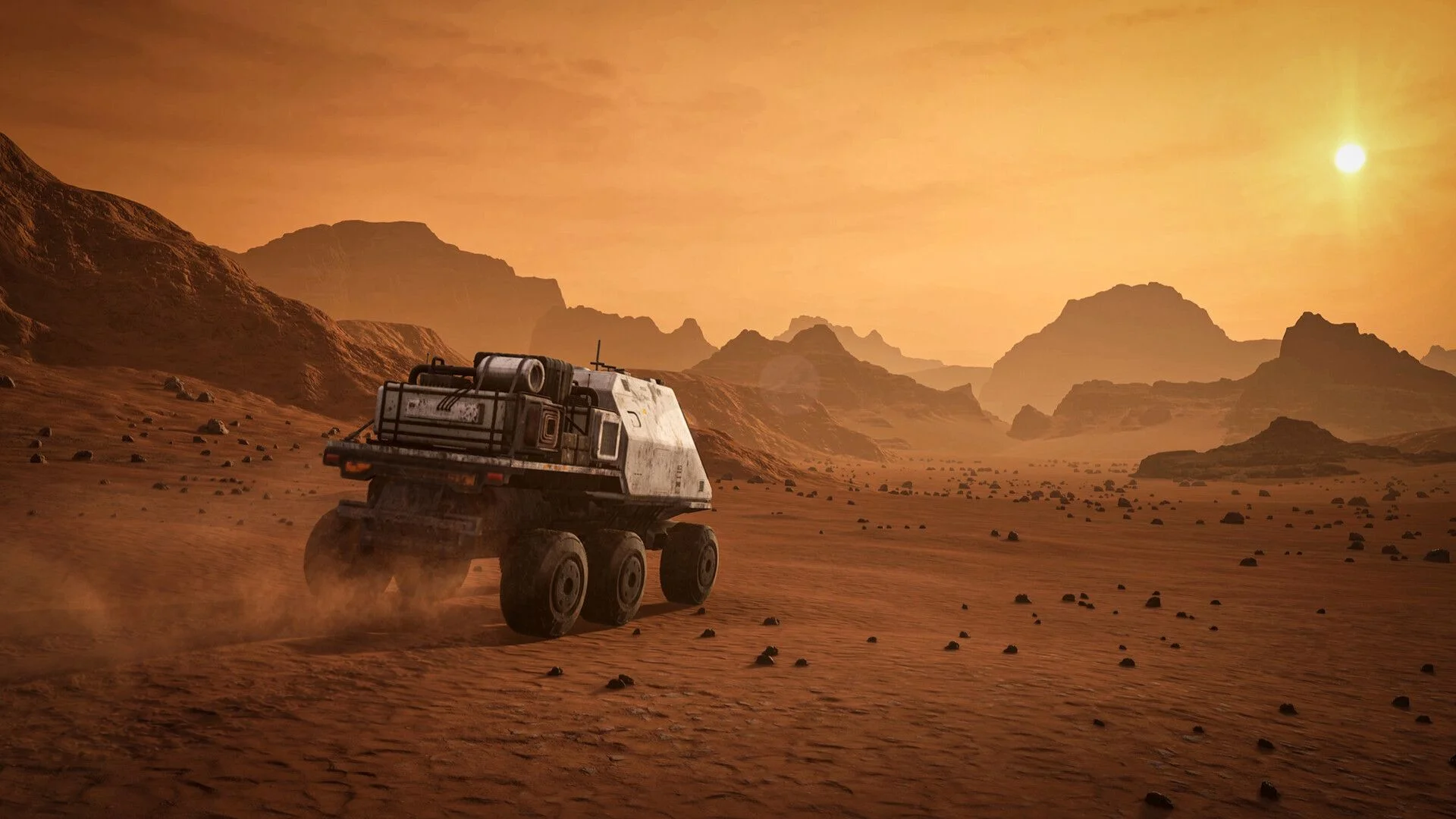
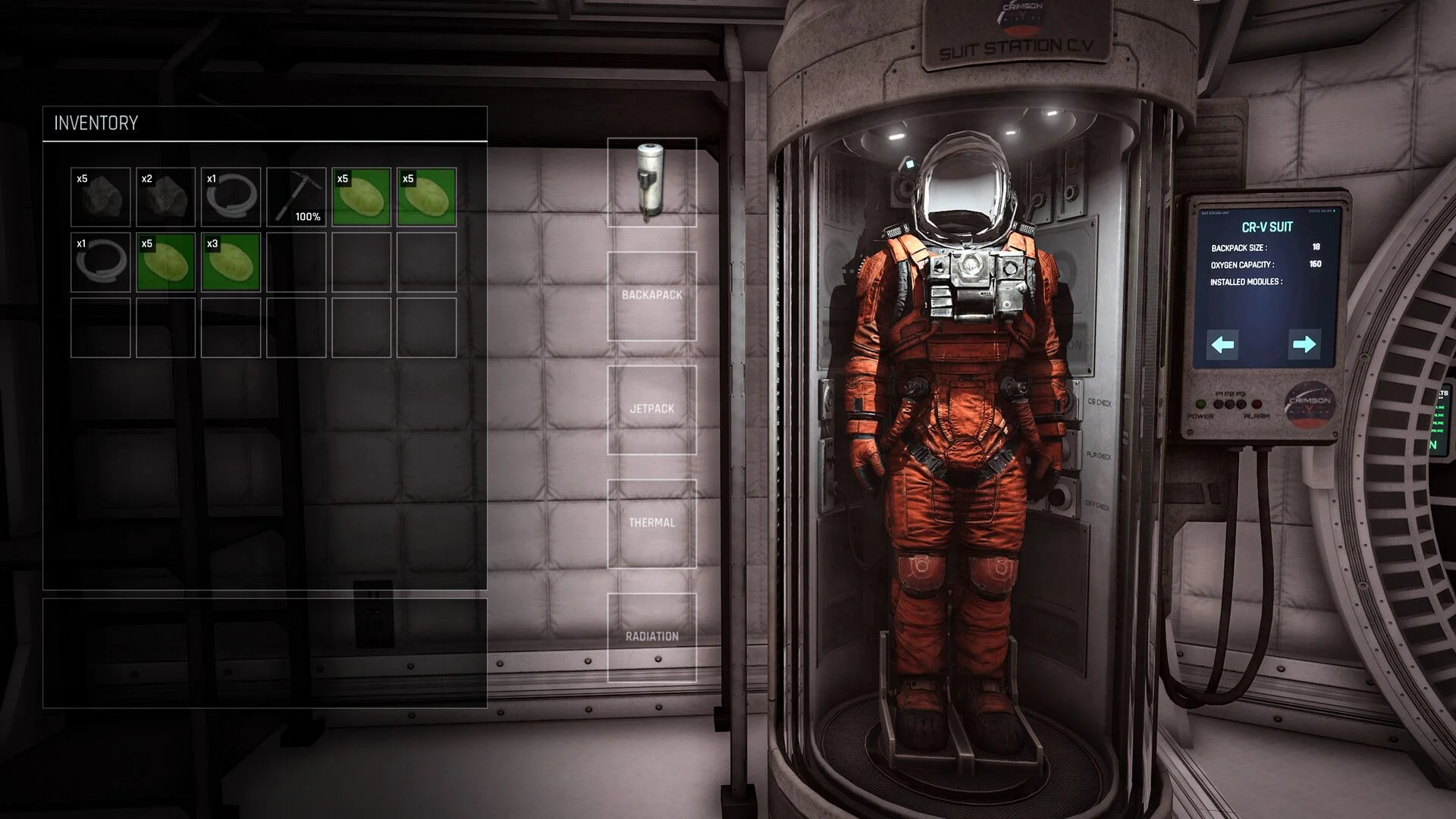
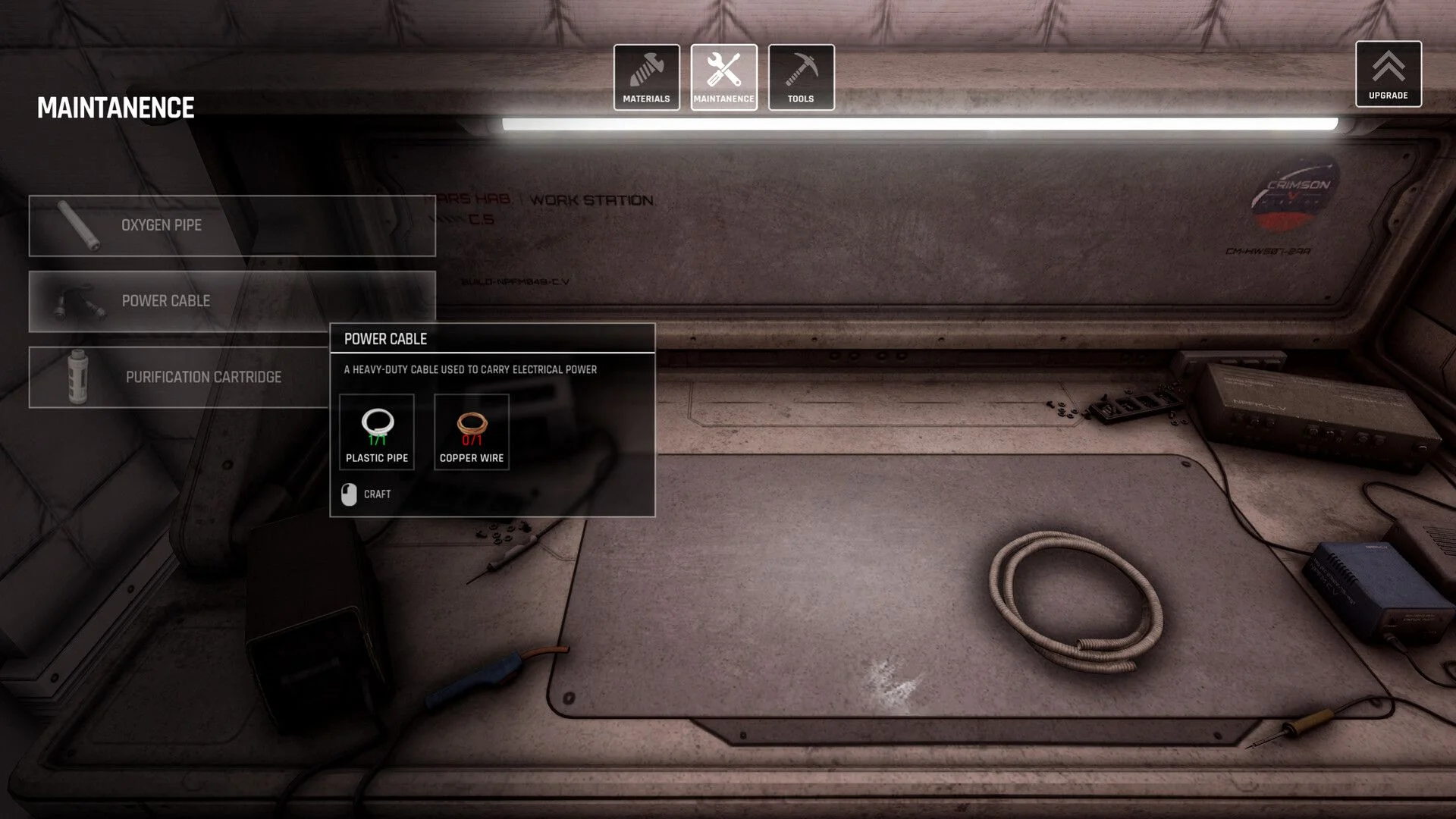
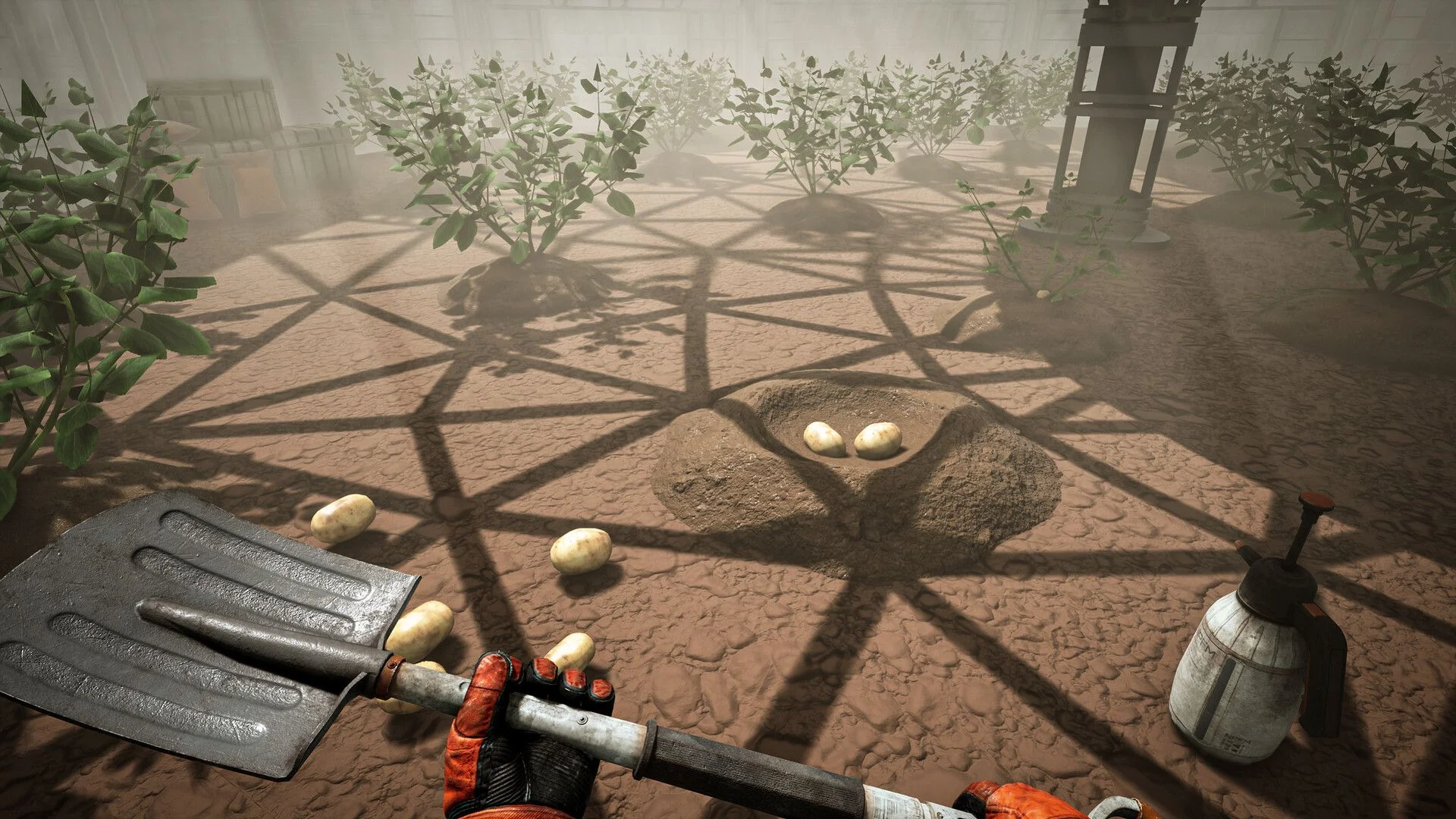
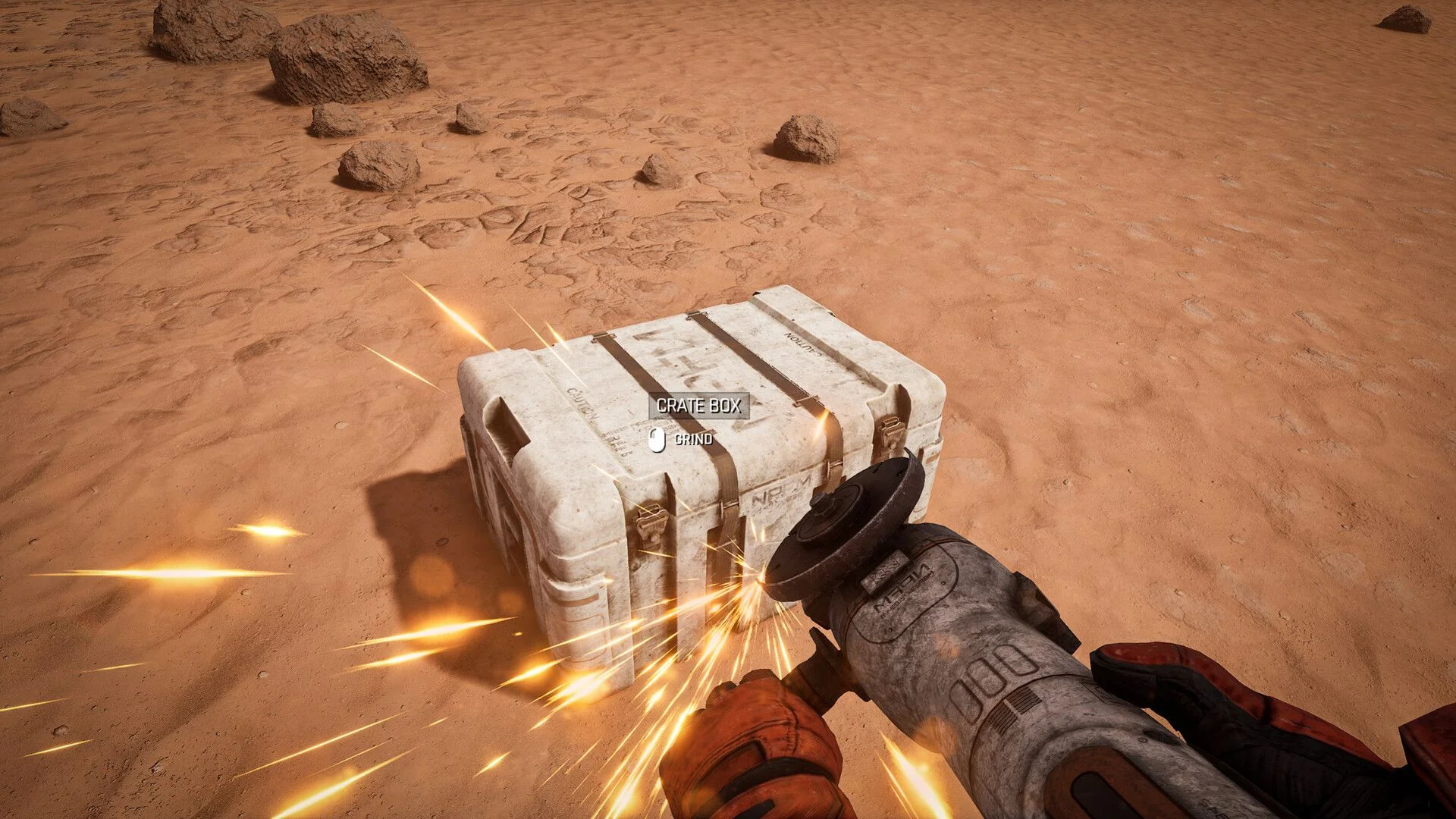
Mark Watney's story is mostly a logistics problem. Here, your stranded protagonist has to explore the Martian surface to gather resources, grow plants, and repair the base. That loop is familiar, and the trailer leans into it hard. Familiar doesn't mean lazy, though. A survival loop works when each small task feels like progress, and the trailer suggests the developers understand that. The bigger question is whether the horror layer can make those same tasks feel dangerous rather than just slow.
Daylight is the job, night is the threat
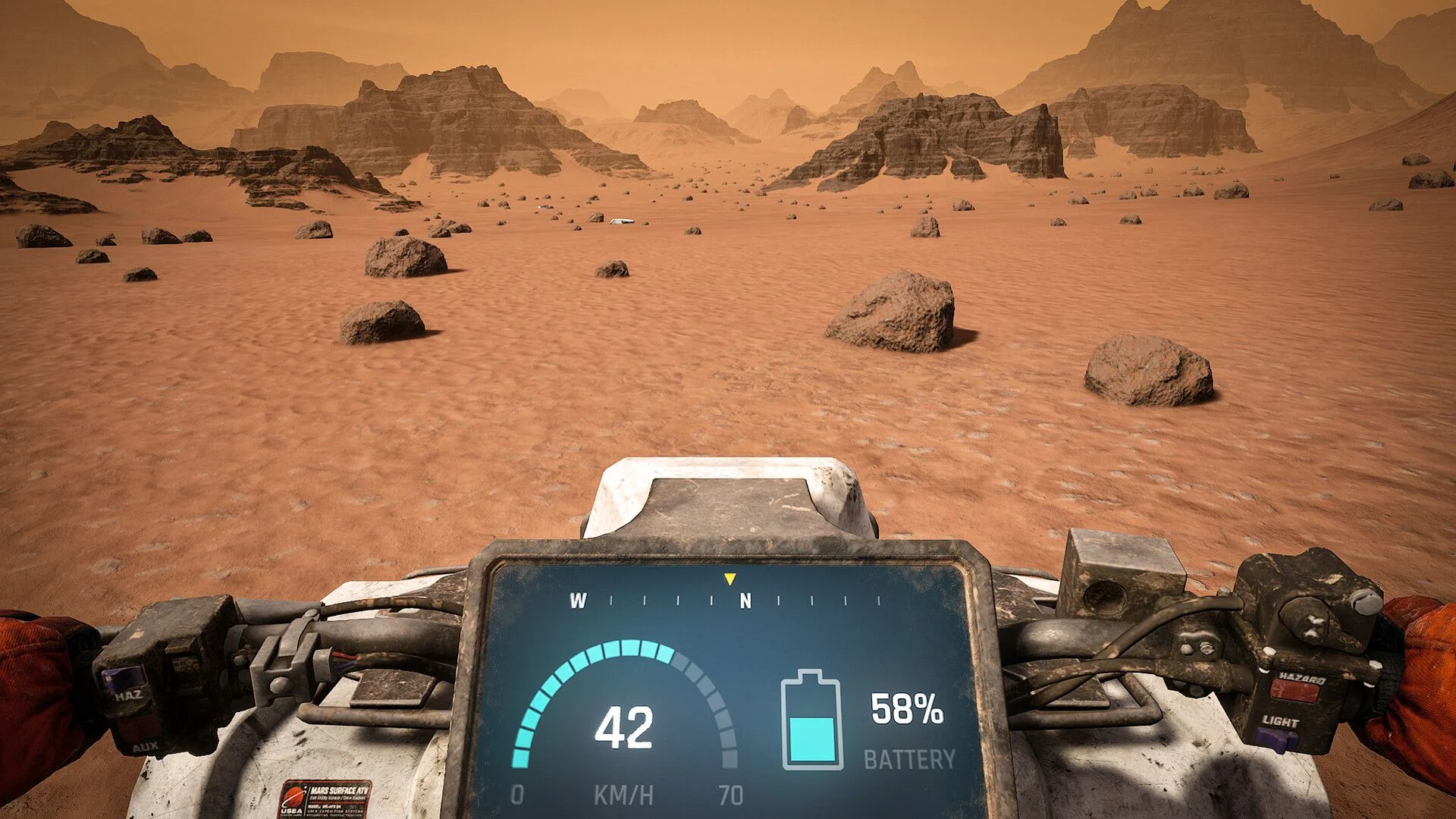
The game seems to divide its personality along the day/night cycle. Daytime is for surface work: smashing rocks, cleaning solar panels, and hopping onto a quad bike with more confidence than physics probably allows. Once the sun drops, the tone flips. Lights flicker through the habitat, figures move through the corridors, and cosmic horrors and naked, zombie-like men begin to show up. The trailer hedges that they mostly come out at night, which is exactly the kind of qualifier that makes me nervous.
Here's the thing: that split could be a strength or a seam. Survival games depend on routine, and horror depends on breaking it. If the daytime tasks feel like a checklist and the nighttime scares feel random, the tension will drain fast. My read is that the nighttime threats need to tie into the base-building itself, not just interrupt it.
Cleaning solar panels sounds like the least cinematic chore imaginable, and that's exactly why it's interesting. In games built around maintenance, mundane jobs often set the clock that everything else runs on. (and this is the part most people overlook) If the base depends on tending its power, then flickering lights at night stop being background mood and start being a resource problem. That's the connection I'd want the developers to nail.
The quad bike raises a different question. Vehicles in survival games tend to trade tension for speed, and the trailer shows a protagonist riding across open ground with a cheerfulness that feels at odds with the setting. That could be deliberate contrast, the calm before the corridor. It could also mean the daytime sections are built for comfort while the night is built for dread. If so, the two halves would feel like separate games stapled together, and that's the outcome I'd watch for first.
What we actually know
Not much. Martian Isolation is the debut from Golden Milestone Studio, and beyond the name there's little public information. The Steam page lists it as "coming soon" with no release date and no pre-orders, though the trailer description says it will arrive on Steam in 2027. A recent blog post describes the developer as a "small team," which means expectations should stay measured. For now, wishlisting is the only action available.
Small teams have a mixed track record with ambitious projects, and I don't say that to be dismissive. A focused scope can help a horror game, since a narrow set of scares and a single base layout are easier to polish than a sprawling open world. The risk sits in the systems. Survival games carry a lot of interlocking mechanics, and when a small crew stretches to cover farming, crafting, vehicles, and monsters at once, something usually gets thin. Which pieces the team chooses to cut will say more than any trailer.
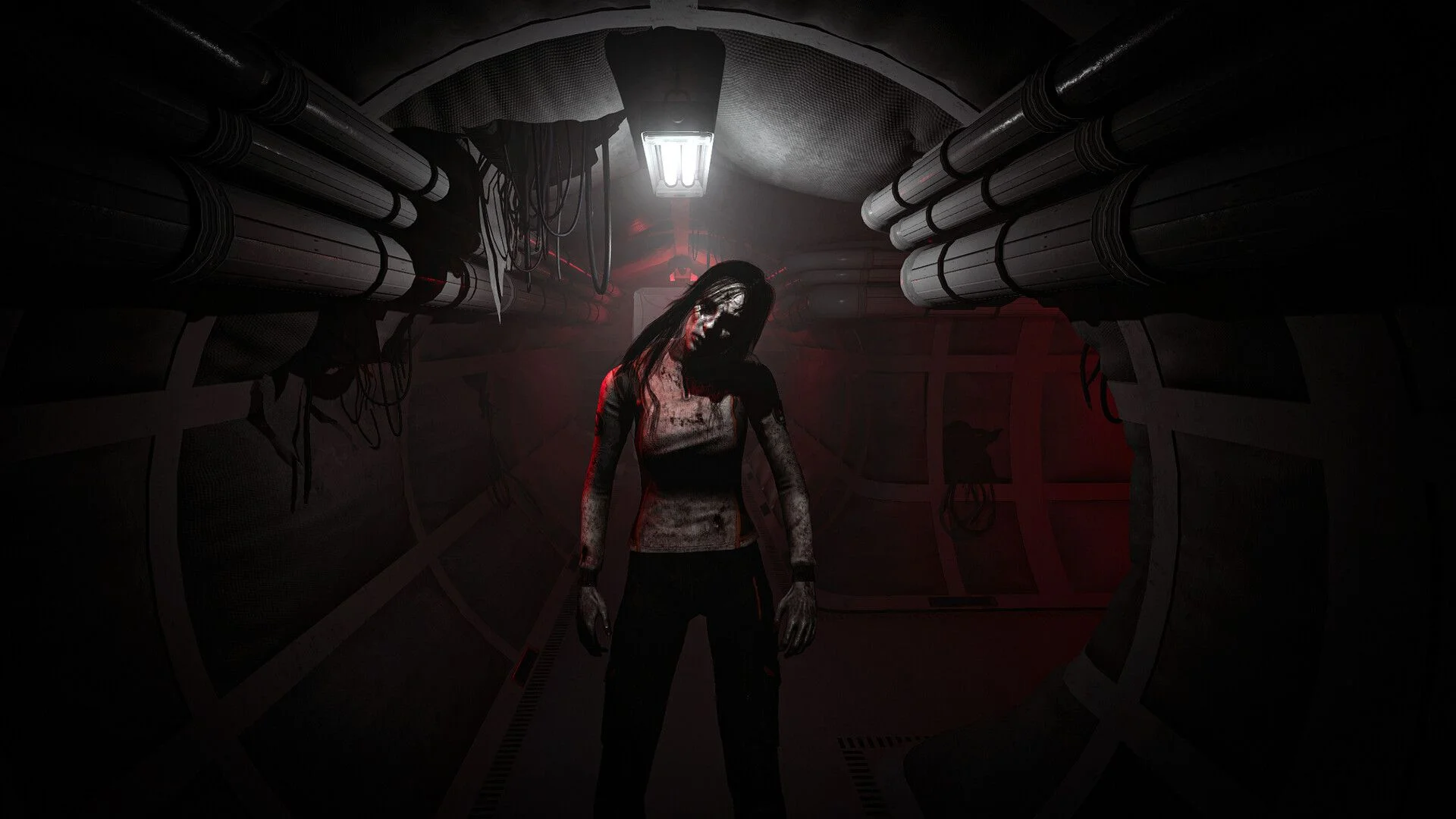
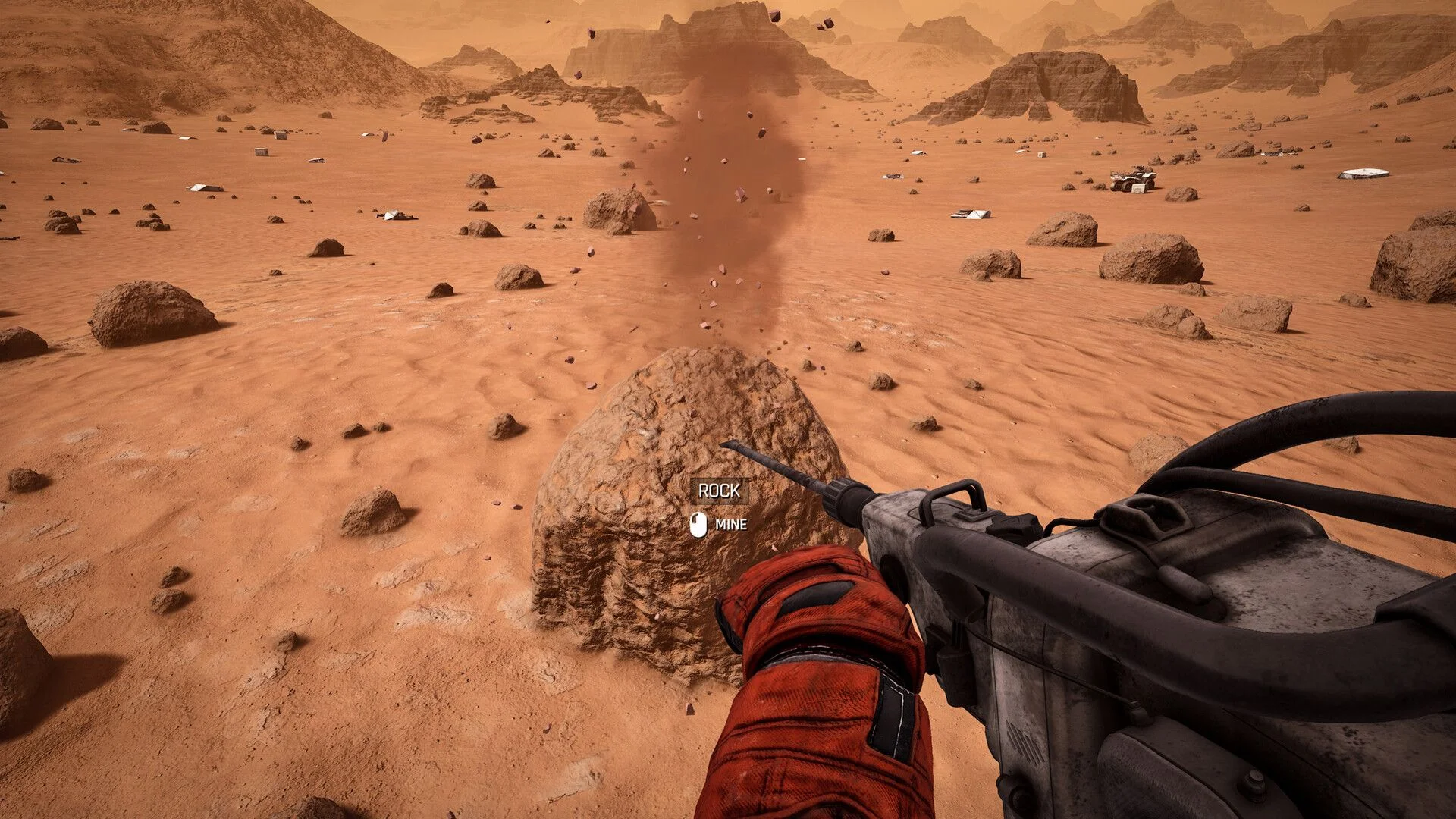
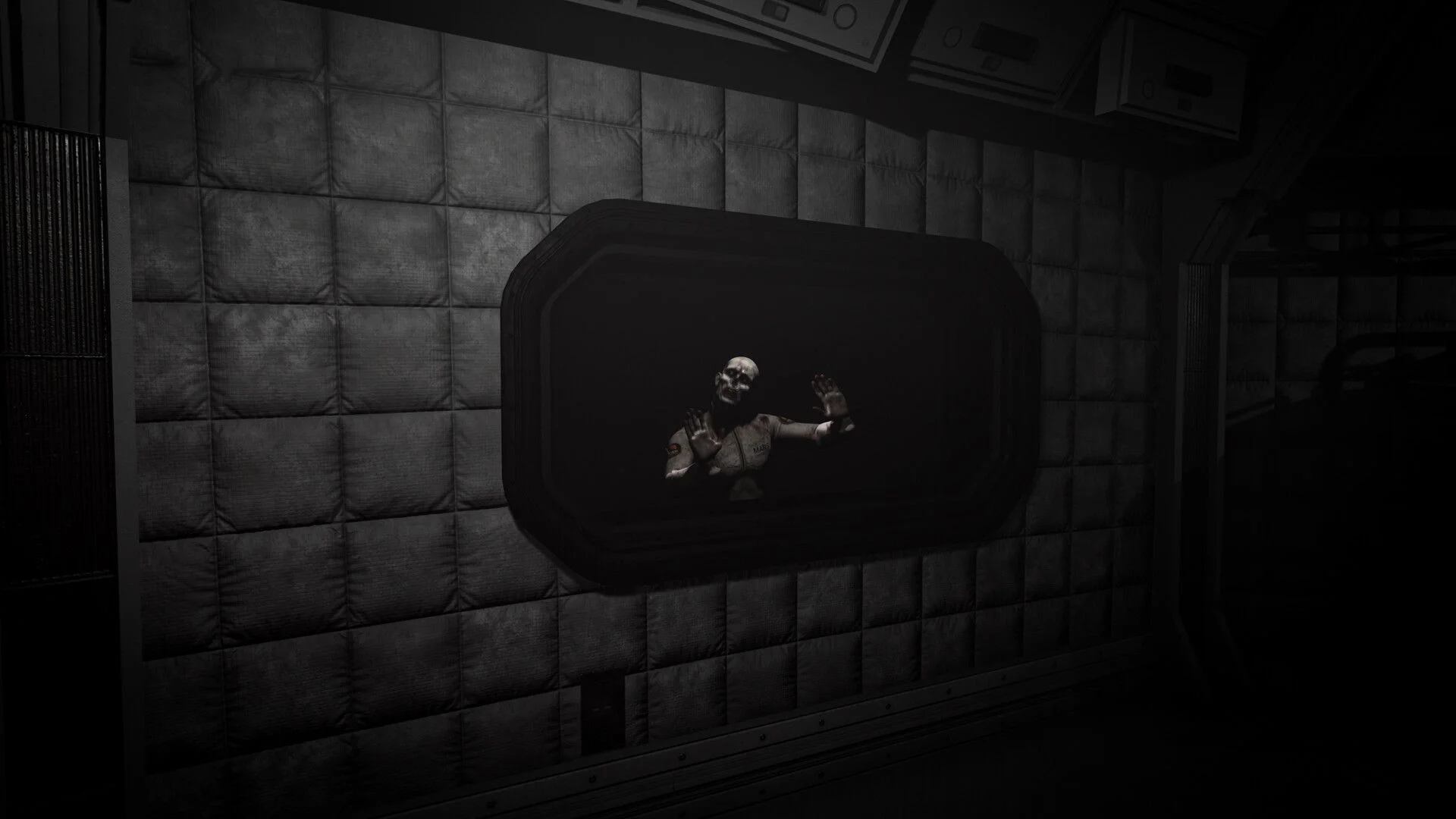
Are those hallucinations, or is something malevolent waiting in the blood-red sand of Mars? I'll be watching this one closely, though my nerves may not be ready. I also still have a run of "Routine" sitting unfinished, with my character hiding under a desk for months. Clearly I'm not the right test subject, and that's probably the best endorsement the game's trailer could hope for.
What this could mean for the genre
Space survival horror isn't a crowded niche, and that's part of why a Mars-set game stands out. Games in this space tend to lean toward either dread or busywork, and few try to make a planetary survival sim double as a haunted-house story. If Martian Isolation lands the blend, it could give players a reason to see familiar base-building loops differently. If it doesn't, it'll be another trailer that promised more than the game delivered.
The bigger question is tone. Survival games reward patience and planning, while horror rewards unpredictability, and those instincts can work against each other. If you're a player who likes knowing exactly what each day will demand, the night sections might feel like a betrayal of the systems you've already learned. If you came for the scares, the farming might feel like padding between them. Neither reaction is wrong, but the game will need a clear answer to which audience it's courting.
And yet the premise keeps working for a reason. Isolation is built into the setting, and the idea of a base that's supposed to be safe and then isn't has deep roots in the genre. Similar systems typically succeed when the shift from safe to unsafe is earned through the same mechanics the player already trusts. That's the test I'll apply when the game eventually shows up. Until then, it's a promising trailer, a thin public record, and a question mark that's more interesting than most.