OGame’s next update gives its long-running strategy game a new way to put fleets to work: missions against automated enemies, cooperative objectives and rewards that other players can contest. Orion arrives on new universes on November 6, 2026, adding structured PvE to a game whose identity has been built largely around player decisions and player conflict.
For GameForge, the change looks like an extension of OGame’s central appeal rather than a departure from it. Players still build interstellar empires, manage resources and decide how much risk to take. Orion adds mission sites and wave-based encounters to that mix, giving commanders another reason to assemble fleets and coordinate with others.
Martin Liedtke, GameForge’s director of products for browser games, and Enrico Mareth, senior project manager for OGame PC and mobile, described the update and the work behind a game approaching its 25th anniversary in 2027.
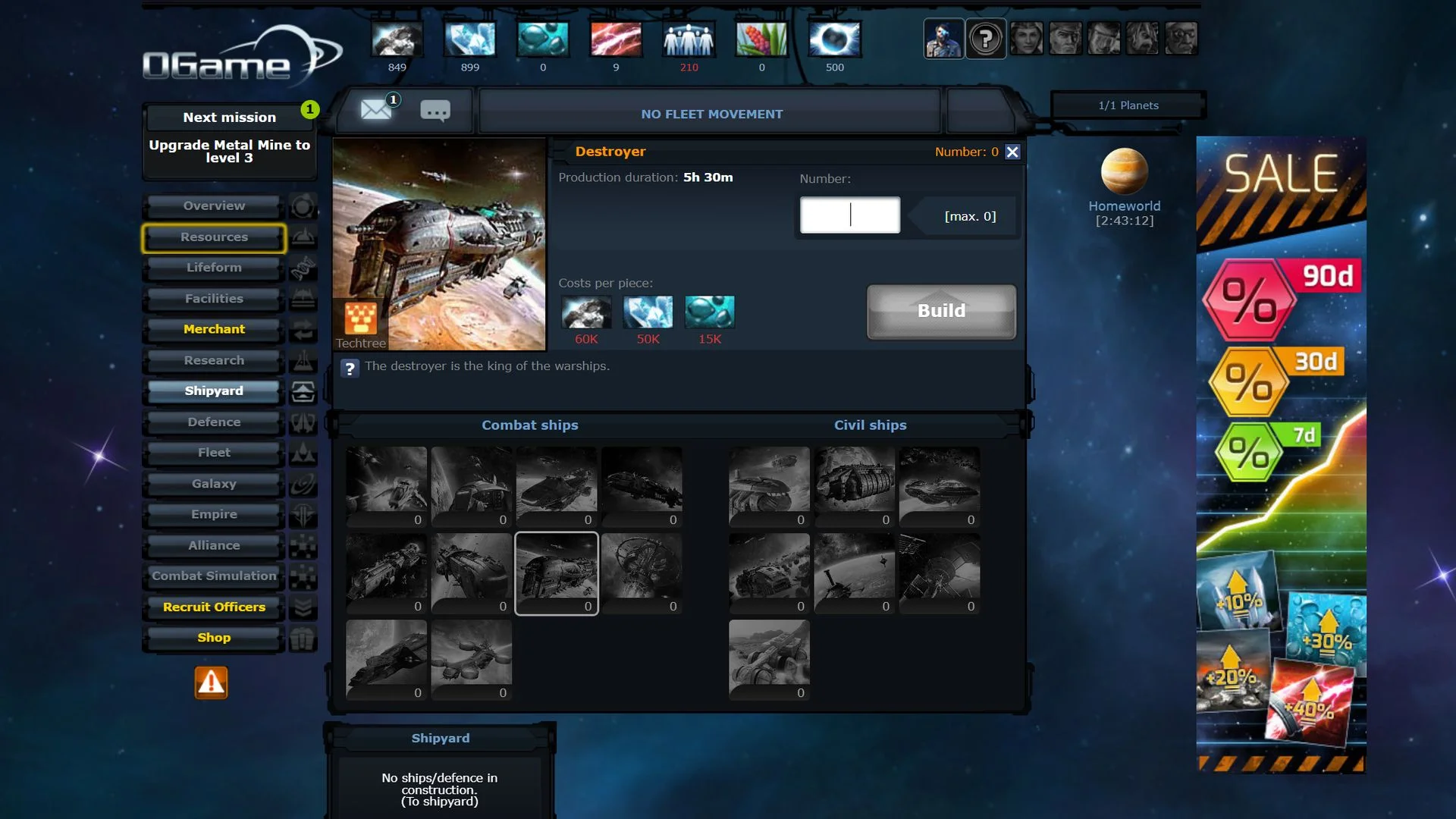
Orion gives fleets new objectives
The update centers on anomalies: mission locations players find with a new scanner. Some missions send ships into combat, where they must hold their position against successive waves of automated fleets. Others are peaceful assignments that put cargo ships to work collecting rewards.
The missions introduce different levels of exposure. Some objectives are open to cooperation, while missions marked for PvP can also draw attacks from rival commanders. Players can choose to leave the anomalies alone, but the stronger rewards are tied to taking on greater risk. That structure extends OGame’s existing emphasis on deciding not just what to build, but when and where to commit it.
“OGame has an enduring core: You build an interstellar empire, and your decisions matter,” Liedtke said. He described Orion’s PvE missions and player-facing objectives as ways to support different appetites for risk while preserving that foundation. Experienced players, he said, can focus on fleet composition, progression and coordination.
That matters because OGame’s established PvP already asks players to do much more than send ships into battle. Combat resolves automatically, but players scout targets, track information and coordinate attacks around moments when an opposing fleet is vulnerable. Liedtke characterized that contest as one of information and planning, with years of updates adding to its complexity.
Orion’s missions add a more clearly defined set of objectives to that strategic play. In many cases, players will need to cooperate to earn better rewards. Liedtke sees a case for introducing cooperative PvE earlier in the game, too: it can give newer commanders a reason to build and use fleets together before they reach the more demanding end of player-versus-player competition.
Players have long shaped the game’s systems
GameForge’s approach to new content reflects the range of ways people already play. Some concentrate on their economies; others favor expeditions or carefully planned fleet operations. Liedtke said the studio builds the systems, but players give them much of their meaning. Alliances, rivalries and shared projects turn those systems into stories that continue after an update ships.
One of the clearest examples is the “moonshot” strategy. OGame links the chance of a moon forming to debris left after a battle, with the odds rising around a full moon and falling around a new moon. The mechanic draws on the lunar cycle as a playful astronomical reference; Liedtke stressed that it isn’t intended as a realistic model of moon formation.
Players turned that small piece of game logic into a cooperative practice. They arrange battles and trade sacrificial fleets to help one another create the debris fields that can produce valuable moons. As Liedtke put it, they have made destruction into a shared project. For designers, the example is a reminder to consider what players can accomplish together, not only what an individual action rewards.
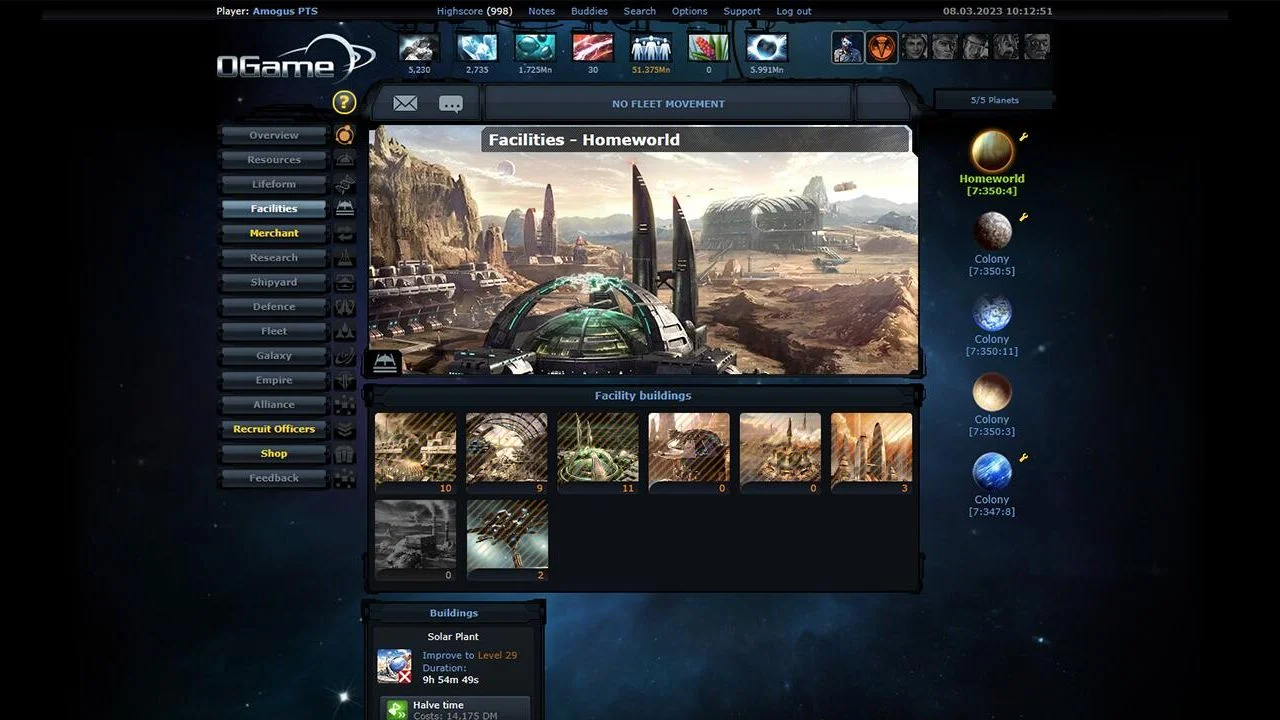
The game’s science fiction draws on real concepts in other ways, too. Deuterium, a stable isotope of hydrogen, serves as both a fuel and a resource for fusion research in OGame. The reference will be familiar to Star Trek fans, while giving the game’s imagined technology a recognizable scientific anchor.
PC and mobile serve different play sessions
Two decades of changing player habits have also shaped GameForge’s work on OGame. The game is available in browsers, through GameForge’s own platform and on mobile devices. Mareth said touch controls, navigation and readability on smaller screens have become central design considerations, while many players still rely on PC as their main platform.
The two platforms often support different parts of the same player’s routine. Liedtke said someone might check an empire on a phone, then switch to a longer browser session to plan. Mining and trading can fit into short mobile visits; complicated fleet operations are better suited to a PC. GameForge is working on an app redesign informed by what it has learned and by player feedback.
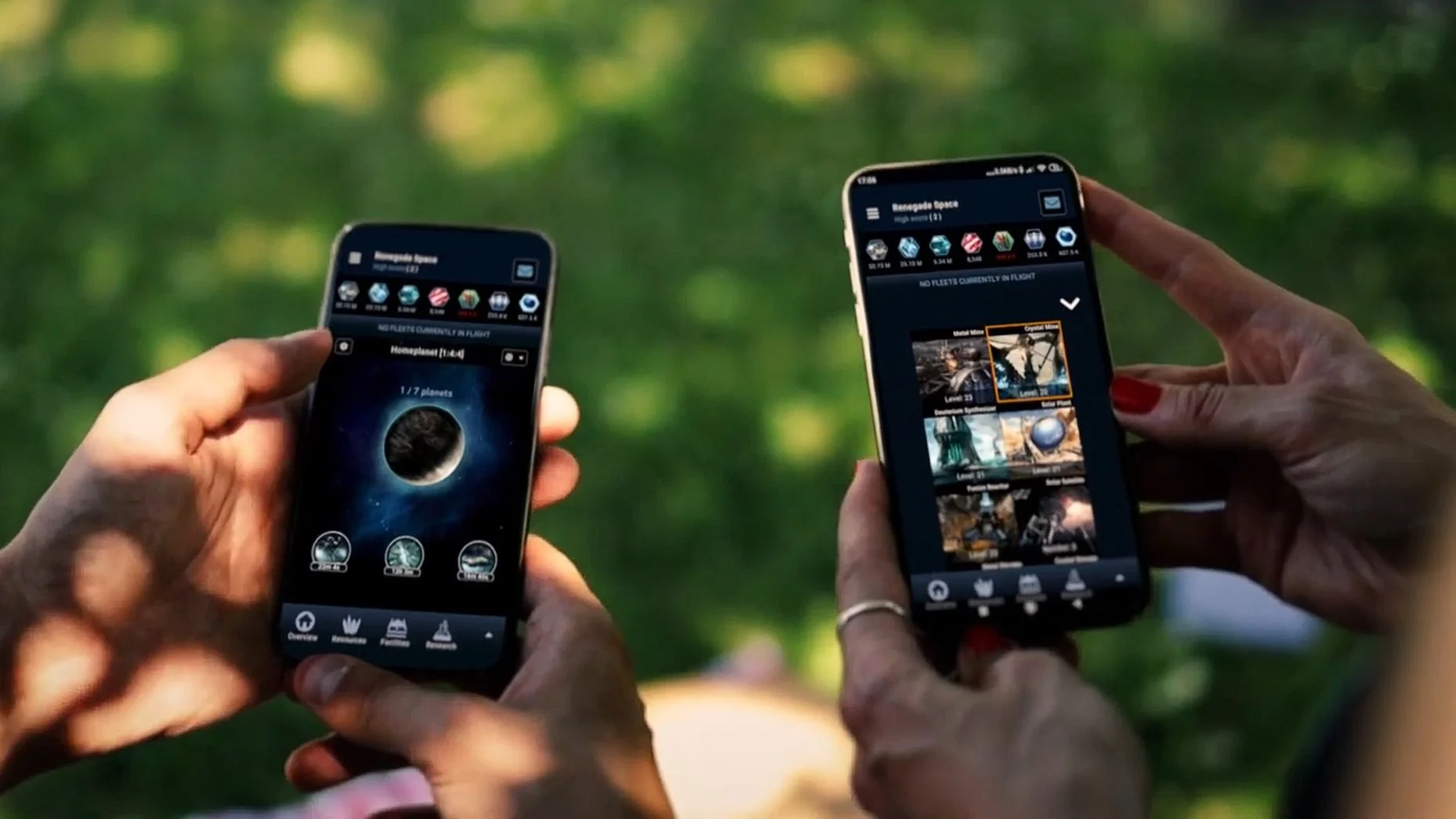
That split helps explain why platform support is part of the game’s ongoing development rather than a simple change of screen size. A quick check-in and a detailed fleet plan place different demands on the interface. The team’s challenge is to support both without losing the strategic choices that keep players invested.
A long-running game with room to test new ideas
Orion also gives GameForge a way to learn which mission formats players find worthwhile. Liedtke said he would like to explore future encounters that make commanders rethink which ships to send and how to cooperate, while making clear that this was a personal aspiration, not an announcement of planned features.
That cautious framing suits a game whose community often finds uses for mechanics the designers didn’t anticipate. Orion’s anomalies will put new objectives into the shared galaxy, but players will determine how those objectives fit into their rivalries, alliances and routines. The update’s value will depend on whether its missions produce choices and coordination that feel worth repeating.
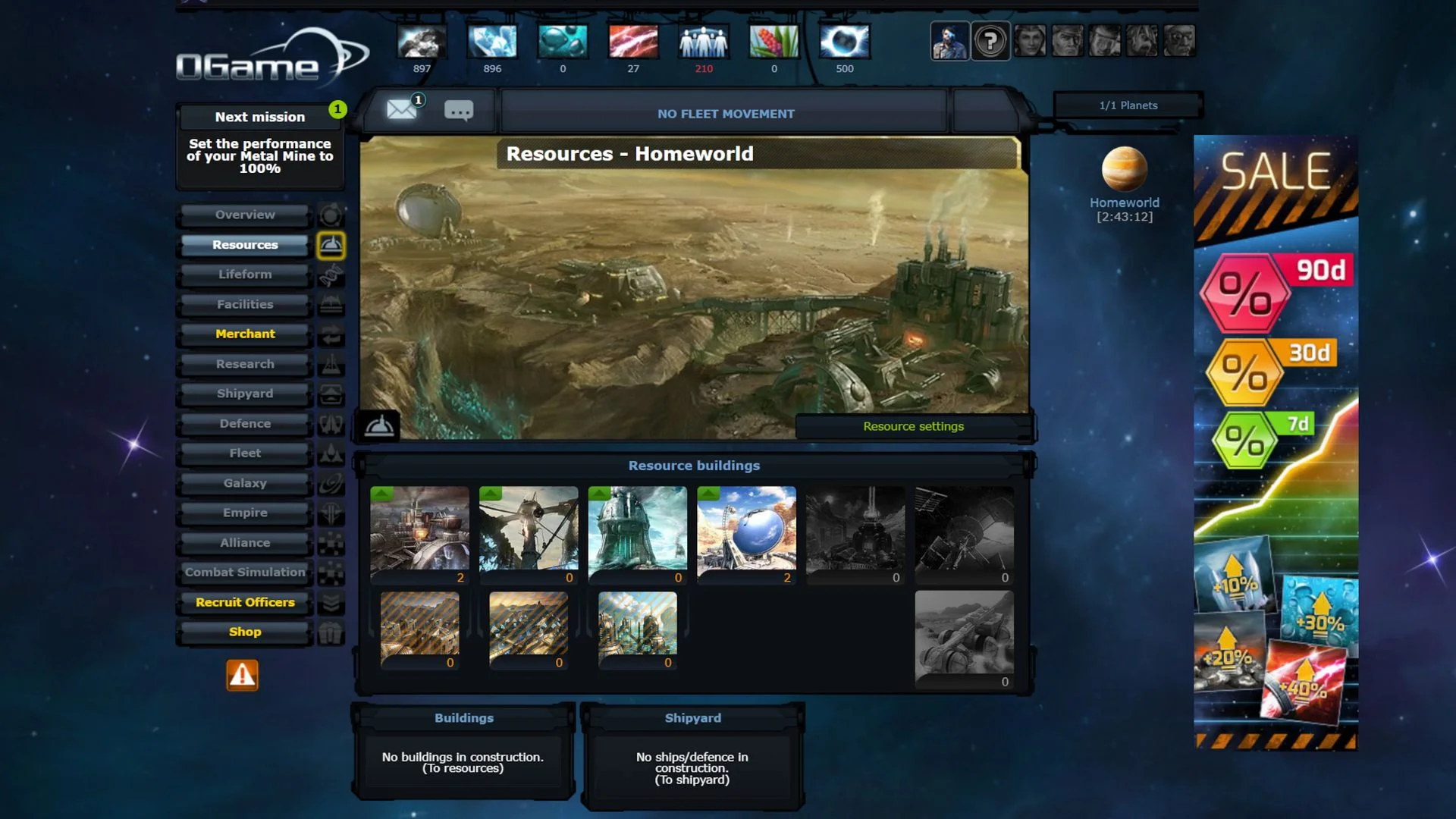
OGame reaches its 25th anniversary in 2027. Liedtke credited the milestone to the team’s continued work and to players who keep building empires, forming alliances and creating stories in the game’s universe. Orion is the next test of that relationship: a new layer of missions whose long-term shape will be written in part by the people who choose to take them on.
OGame is available on PC via the browser and GameForge's own platform, and on mobile through the App Store and Google Play. The Orion update arrives on November 6, 2026.