
SNL Sketch Exposes the Absurd Disconnect of Online Realities
A recent SNL sketch skillfully highlights how personalized algorithms can distort our perceptions and connections in real life.
October 04, 2026
Latest technology news and innovations
A recent SNL sketch skillfully highlights how personalized algorithms can distort our perceptions and connections in real life.
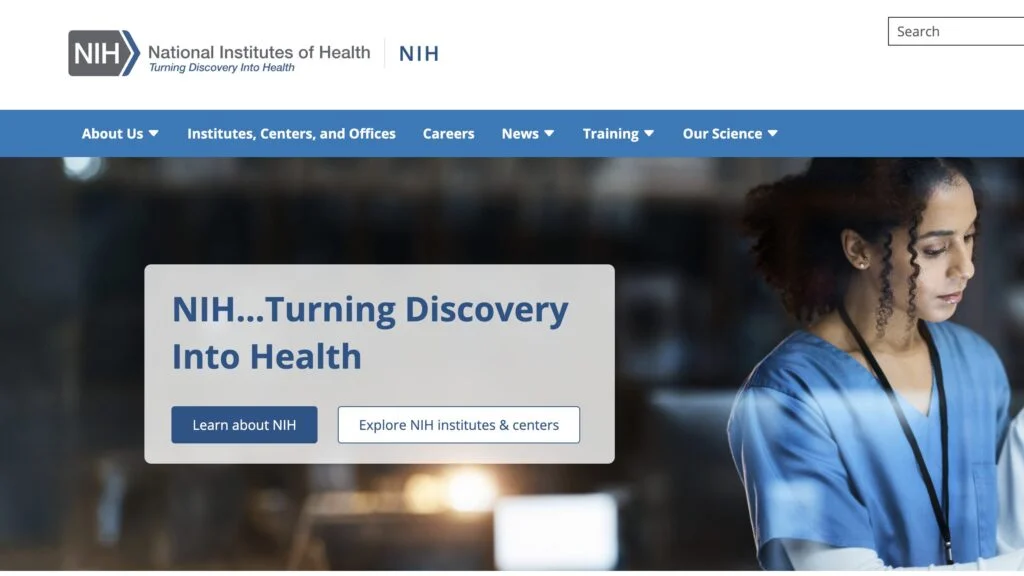
The NIH is launching a new website design focused on core themes to simplify public access to health and biomedical research information.

Lilly adopts a direct-to-consumer model in Australia, bypassing traditional pharmacies to streamline access to its products.
NIH's fiscal year 2026 grant distribution raises concerns among researchers due to delays and a decline in project funding.

Pharmacists face challenges in the orphan drug landscape, as policy gaps hinder personalized care for patients with specific conditions.

A firsthand account of heat-related incidents at the NYC Marathon highlights the urgent need for better medical planning in response to climate change.

Explore the vibrant pulse of China's biotech sector, offering firsthand insights into its rapid advancements and ongoing challenges.

Blue Shield of California aims to adopt Medicare-inspired payment models, enhancing care for six million members by 2027.

The Trump administration's latest Medicare drug pricing rule falls short, while Eli Lilly's combination therapy shows significant weight loss results.

Invivyd's Phase 3 study shows its monoclonal antibody, VYD2311, offers better tolerability than the Pfizer vaccine, suggesting a potential alternative for Covid-19 protection.

Despite a decline in effectiveness, Huntington's patient Lauren Holder remains optimistic about UniQure's gene therapy for slowing disease progression.

Biotech leaders in Shanghai tout rapid drug development in China, positioning themselves as a competitive force against Western markets.

Research highlights the long-term respiratory risks posed by toxic metals from the 2023 Maui wildfires, persisting even after the flames have subsided.

Merck's recent decision to discontinue Recarbrio raises questions about the pharmaceutical industry's commitment to tackling antibiotic resistance.

The FDA has approved AbbVie's new oral medication for Parkinson's disease, marking a significant advancement in treatment options for patients.

GLP-1 drugs are now being marketed for general wellness rather than just obesity, while Merck and Daiichi face setbacks in cancer therapy approval.

GLP-1 medications are shifting focus from medical obesity treatments to lifestyle products, reflecting a broader marketing strategy by companies like Novo Nordisk.

Recent cases reveal how AI technology can unintentionally facilitate bioweapons development, blurring the lines of scientific intent.

A recent discovery in the anatomy of the heart challenges established knowledge, revealing a previously unrecognized structure and its implications for stroke risk.

A U.N.-backed agency has partnered with 11 manufacturers to produce generic versions of Roche's flu treatment Xofluza, enhancing access in low-income nations.