
SNL Sketch Exposes the Absurd Disconnect of Online Realities
A recent SNL sketch skillfully highlights how personalized algorithms can distort our perceptions and connections in real life.
October 04, 2026
Lifestyle trends and health tips
A recent SNL sketch skillfully highlights how personalized algorithms can distort our perceptions and connections in real life.
The NIH is launching a new website design focused on core themes to simplify public access to health and biomedical research information.

Mary-Claire King shares her experience and thoughts on the impact of her work amidst the suspense of the Nobel Prize anticipation.
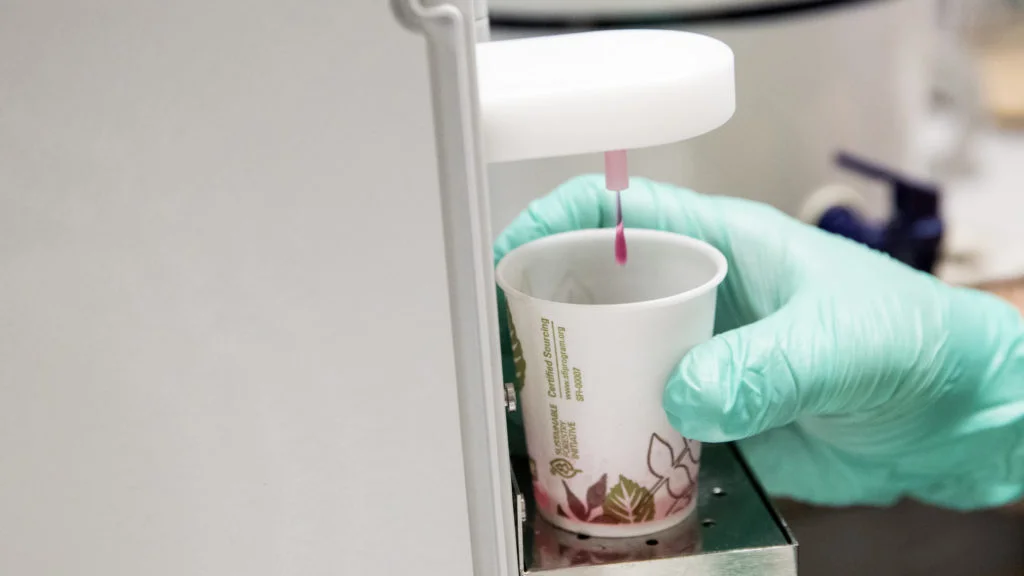
Despite increased access to addiction medications for youth, retention remains alarmingly low, raising urgent concerns among healthcare professionals.
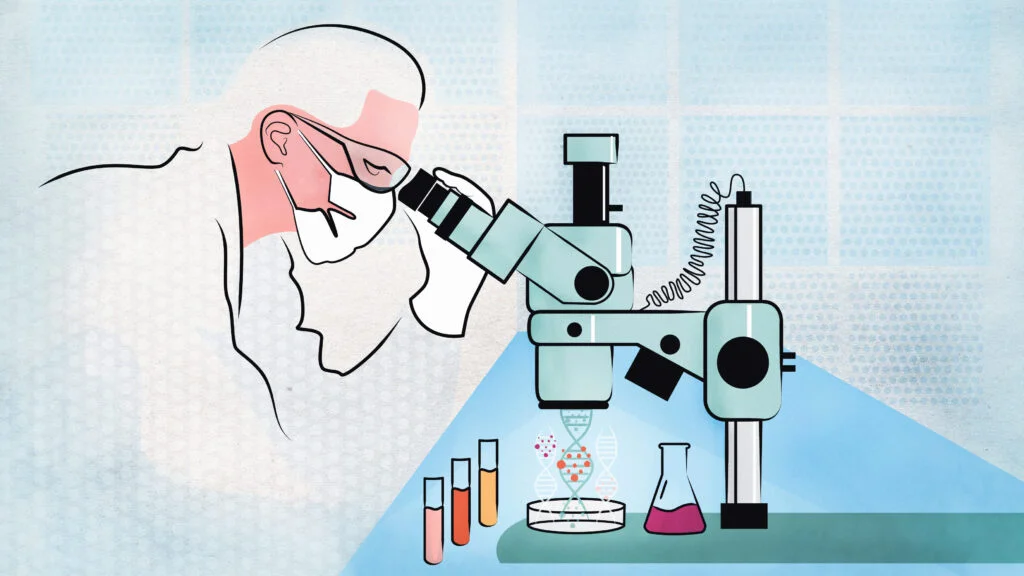
NIH's fiscal year 2026 grant distribution raises concerns among researchers due to delays and a decline in project funding.

Enrollees in Medicare Advantage plans for 2027 need to prepare for higher out-of-pocket expenses and fewer benefits during the upcoming enrollment period.

A recent special issue of Science highlights the need for more research in women's health, particularly on menopause, pain mechanisms, and beyond.

Blue Shield of California aims to adopt Medicare-inspired payment models, enhancing care for six million members by 2027.

Despite a decline in effectiveness, Huntington's patient Lauren Holder remains optimistic about UniQure's gene therapy for slowing disease progression.

A significant surge in GLP-1 prescriptions for children highlights a growing response to childhood obesity and its medical implications.

Biotech leaders in Shanghai tout rapid drug development in China, positioning themselves as a competitive force against Western markets.

Eric Cantor seeks to reshape the pharmaceutical industry's image and policies to align with voter concerns, revisiting past strategies aimed at broader public appeal.

Research highlights the long-term respiratory risks posed by toxic metals from the 2023 Maui wildfires, persisting even after the flames have subsided.
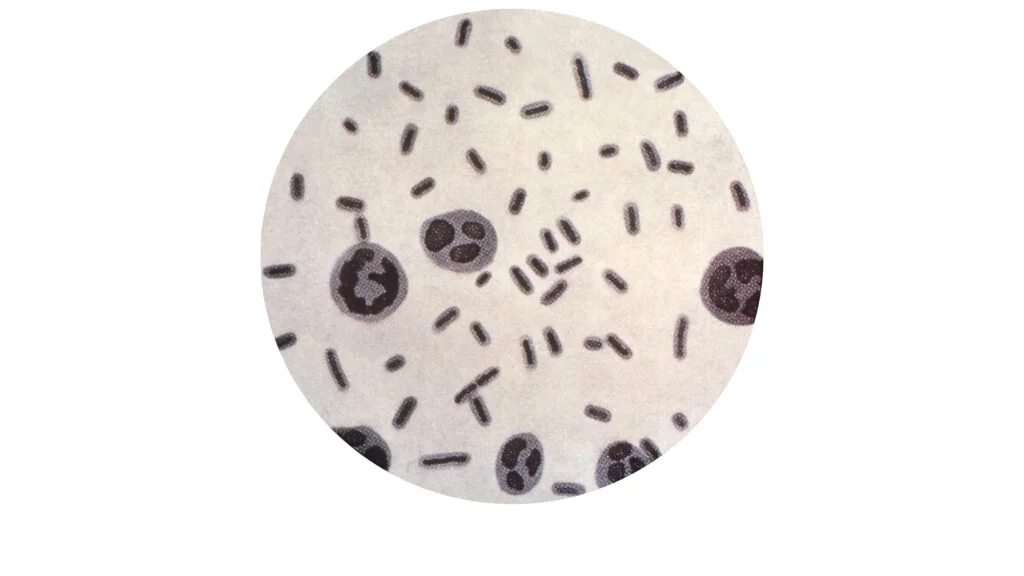
Merck's recent decision to discontinue Recarbrio raises questions about the pharmaceutical industry's commitment to tackling antibiotic resistance.

The outlook for employer-sponsored health insurance is grim, with experts predicting even higher costs in 2027, as recent trends worsen the situation.

GLP-1 drugs are now being marketed for general wellness rather than just obesity, while Merck and Daiichi face setbacks in cancer therapy approval.
Novo Nordisk blurs the line between medications and lifestyle enhancements with its GLP-1s, sparking debate over their true classification.

GLP-1 medications are shifting focus from medical obesity treatments to lifestyle products, reflecting a broader marketing strategy by companies like Novo Nordisk.

Recent cases reveal how AI technology can unintentionally facilitate bioweapons development, blurring the lines of scientific intent.

A recent discovery in the anatomy of the heart challenges established knowledge, revealing a previously unrecognized structure and its implications for stroke risk.