Episode 220 of This Week In Space features hosts Rod Pyle and Tariq Malik discussing the 50th anniversary of the Viking 1 landing on Mars. Joined by Dr. Pascal Lee and astrobiologist Dr. Penny Boston, the episode dives into the historical significance of the mission and its impact on our understanding of the Red Planet. The Viking missions were pivotal in not just revealing the Martian surface but also igniting our imaginations about the possibility of life beyond Earth.
The Legacy of Viking 1
The Viking 1 lander, which touched down on Mars on July 20, 1976, marked a watershed moment in space exploration. It was the first spacecraft to successfully perform a soft landing on the Martian surface and conduct experiments to analyze soil samples. The mission's ambitious scientific goals included searching for signs of past life and studying the Martian atmosphere and geology. Even now, its results fuel ongoing debates among scientists regarding the presence of life; the life-detection experiments yielded ambiguous results, leading to decades of interpretation and re-evaluation.
What makes Viking 1 especially noteworthy is how it expanded our techniques in astrobiology. In the absence of definitive evidence for life, the experiments inspired a generation of scientists to pursue life-detection methods in astrobiology. These methods still serve as the standard for missions targeting potentially habitable environments both on Mars and beyond. Take into consideration how Viking's mixed findings triggered an avalanche of follow-up missions aimed at answering the same life-question on Mars; missions like Mars Reconnaissance Orbiter and Curiosity have only built upon Viking's foundational work.
Current Space News: Starship Flight 13 and Legal Issues
In a shift from historical discussions, the episode also touches on the imminent launch of SpaceX's Starship Flight 13, scheduled amid a legal showdown regarding a proposed land swap at SpaceX’s Starbase in South Texas. This isn’t just another launch; Starship represents a significant leap in reusable space technology intended for deep-space travel. However, the ongoing legal issues raise questions about regulatory oversight in the often-competitive space sector, where private companies are increasingly taking on roles traditionally reserved for government space agencies.
This land swap dispute illustrates the complex layers of negotiating space development, particularly where environmental considerations and indigenous lands intersect with corporate interests. The outcome of this legal battle could have far-reaching implications for future developments in the area, especially as more companies seek to establish a presence in commercial spaceflight.
And yet, the excitement surrounding Starship cannot be overstated. Previous setbacks have raised eyebrows, but many industry analysts believe a successful flight could pave the way for significant advancements in both commercial and exploratory space missions. If you're working in this space, the implications of Starship’s successful launch cannot be overlooked—it's likely to attract more investment, innovation, and attention to human spaceflight.
Dramatic Launch Events: Lightning Strikes
The podcast takes another exciting turn when discussing a dramatic event involving a Chinese Long March 3B rocket. The rocket, which was struck by lightning during takeoff, successfully deployed its satellite despite the dramatic circumstances. This incident not only serves as a testament to the resilience of modern aerospace engineering but also highlights the unpredictable nature of launches. In an industry where precision timing and conditions are critical, this unexpected weather event adds layers of complexity to an already challenging field.
Moreover, the public’s fascination with such occurrences often overshadows more routine aspects of space missions. You could almost say that these “dramatic moments” become instant folklore—fueling narratives that shape how we view technological triumphs and failures alike. With each lightning-struck launch, the stories become part of a larger narrative about human ingenuity combating nature's unpredictability.
Viking 1's Controversial Findings: The Lifelong Debate
In many ways, Viking's ambiguous results encapsulate the challenges of astrobiology. Speculative interpretations often become battlegrounds where human ambition for discovery clashes with hard scientific evidence. What this means for you, the curious listener or aspiring scientist, is that Mars remains a rich tapestry of mysteries—a place still ripe for exploration and debate.
Looking Ahead: What’s Next for Mars Exploration?
The anniversary of Viking 1 serves as a reminder of how far we’ve come in understanding Mars, but it also highlights how much work remains. The competition among private companies and public space organizations is only expected to intensify. This fierce rivalry is accompanied by the booming interest in Mars missions fostered by visionary programs like NASA’s Artemis and SpaceX’s aspirations for Mars colonization. These ambitions suggest that protecting and studying Mars won’t just be about science—it’s also about human ambition and the legacy we aim to leave.
In this climate, new missions are likely to focus sharply on both the scientific aspects of life detection and the ethical considerations of exploring another planet. As various missions—both robotic and potentially human—prepare for their ambitious endeavors, the lessons learned from pioneers like Viking 1 will continue to shape the trajectory of future explorations. It remains to be seen how the ongoing debates and research will ultimately evolve, but one thing's for certain: the stakes have never been higher.
Download or subscribe to the show at: https://twit.tv/shows/this-week-in-space.
Get episodes ad-free by joining Club TWiT at https://twit.tv/clubtwit
Space News of the Week
- SpaceX aims for critical Starship Flight 13 test launch after previous setbacks.
- Indigenous and conservation groups demand intervention on SpaceX's Texas land swap.
- Striking photo captures lightning hitting a Chinese rocket as it launches.
- ‘Triumph of Mariner 4’
- Celebrating 50 Years of Mariner 9 in Orbit
- Viking Lander
- Did Viking 1 detect life on Mars?
- Viking lander biological experiments
Model Falcon 9!
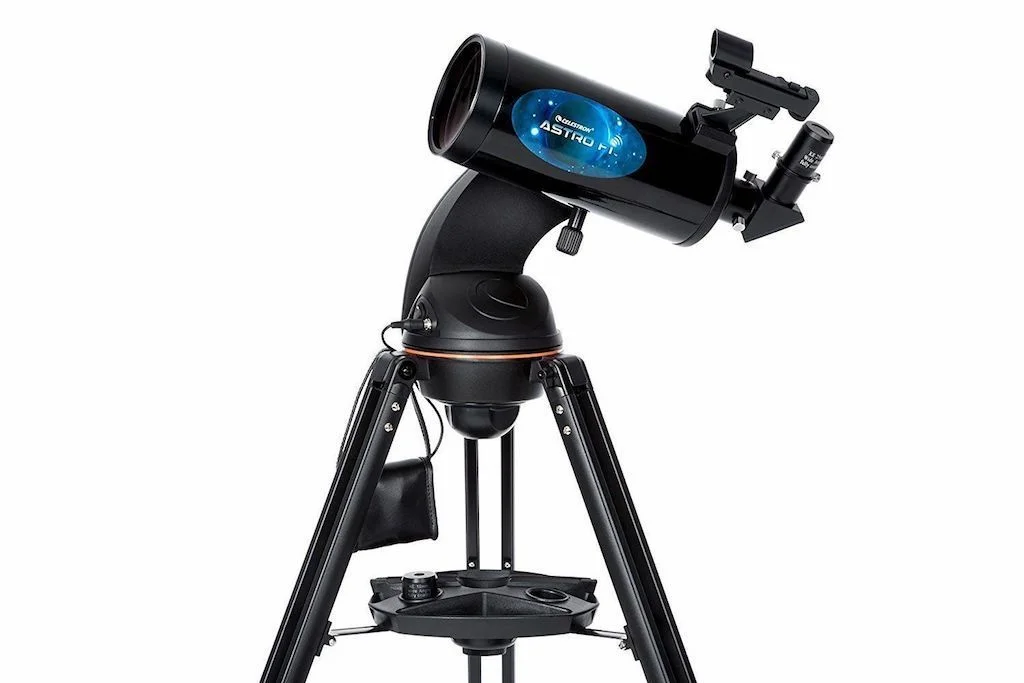
If you're looking to observe planets and comets, consider the Celestron Astro Fi 102, our top recommendation in the best beginner's telescope guide.
For model rocket enthusiasts, Estes has released a stunning scale model of the Falcon 9 rocket. Priced at $149.99, this model replicates the real thing and is ready for launch. To save 10%, use the code IN-COLLECTSPACE at checkout on Estes' page.
About This Week In Space
This Week In Space dives into today’s exciting developments in space exploration every Friday. From the latest in lunar missions to Mars expeditions, hosts Rod Pyle and Tariq Malik, from Space.com, engage listeners with insightful discussions. Subscribe on your favorite podcast platform for weekly insights.