Over the years, it's become a common trope for horror franchises to venture into space. Classic series like *Critters*, *Hellraiser*, *Friday the 13th*, and even *Dracula* have all made their extraterrestrial jaunts. Yet, the intersection of science fiction and horror remains a surprisingly underutilized pairing in contemporary cinema, particularly as we witness a resurgence in horror. This begs the question: why is the genre seemingly abandoning the great void of space?
Space: The Untapped Horror Frontier
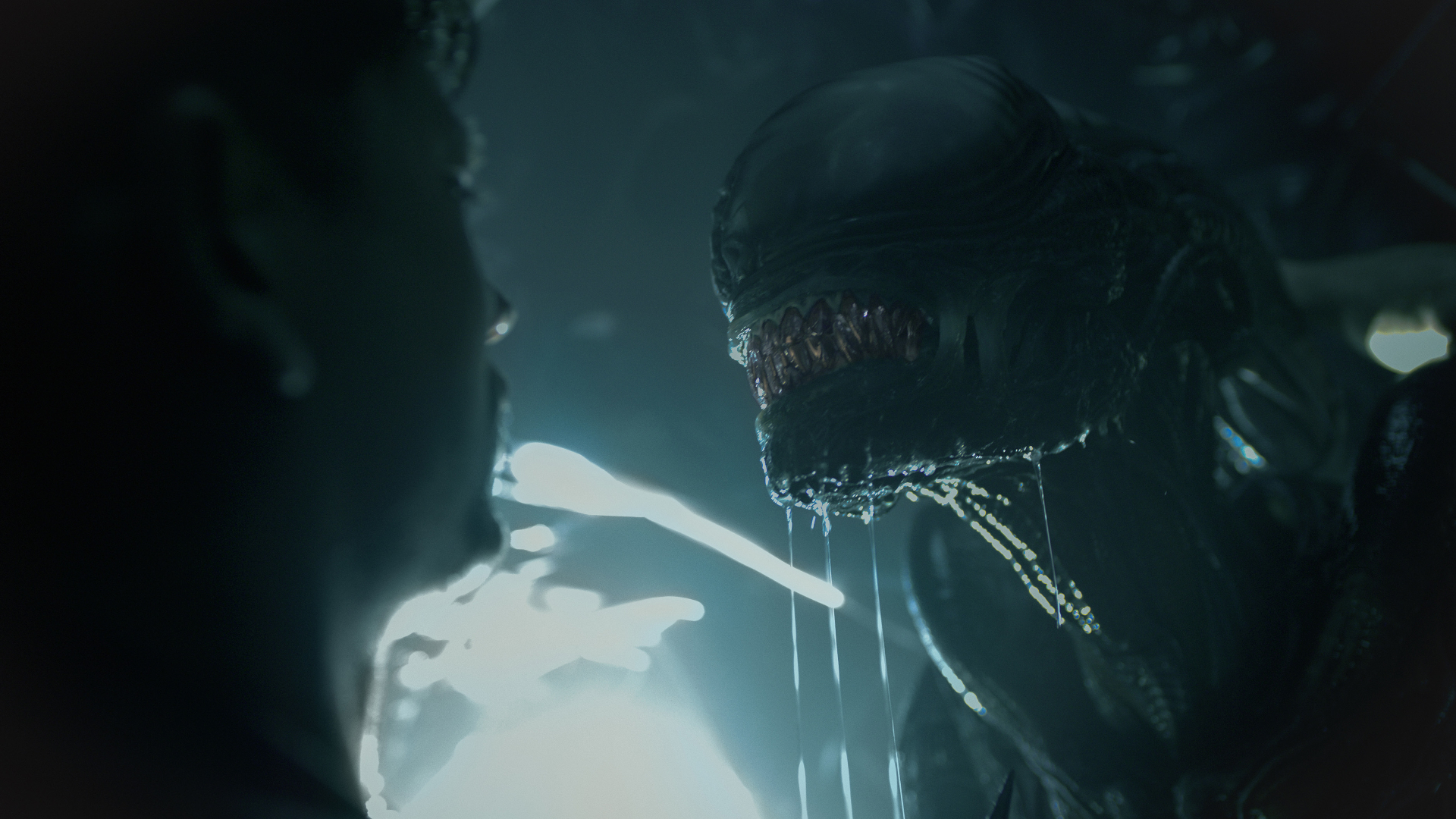
While sci-fi and horror may not have been completely absent during this time, their union seems more grounded lately. Recent hits like *A Quiet Place*, *Nope*, and *No One Will Save You* reflect a trend of alien threats landing on Earth rather than exploring the cosmic unknown. Likewise, movies like *Ex Machina* and *M3GAN* showcase horror arising from humanity's own actions rather than outer space horrors. This leaves the once vibrant sector of space-set horror largely dormant, with *Alien: Romulus* standing out as a notable recent release, alongside smaller titles like *Europa Report* and *Life*.
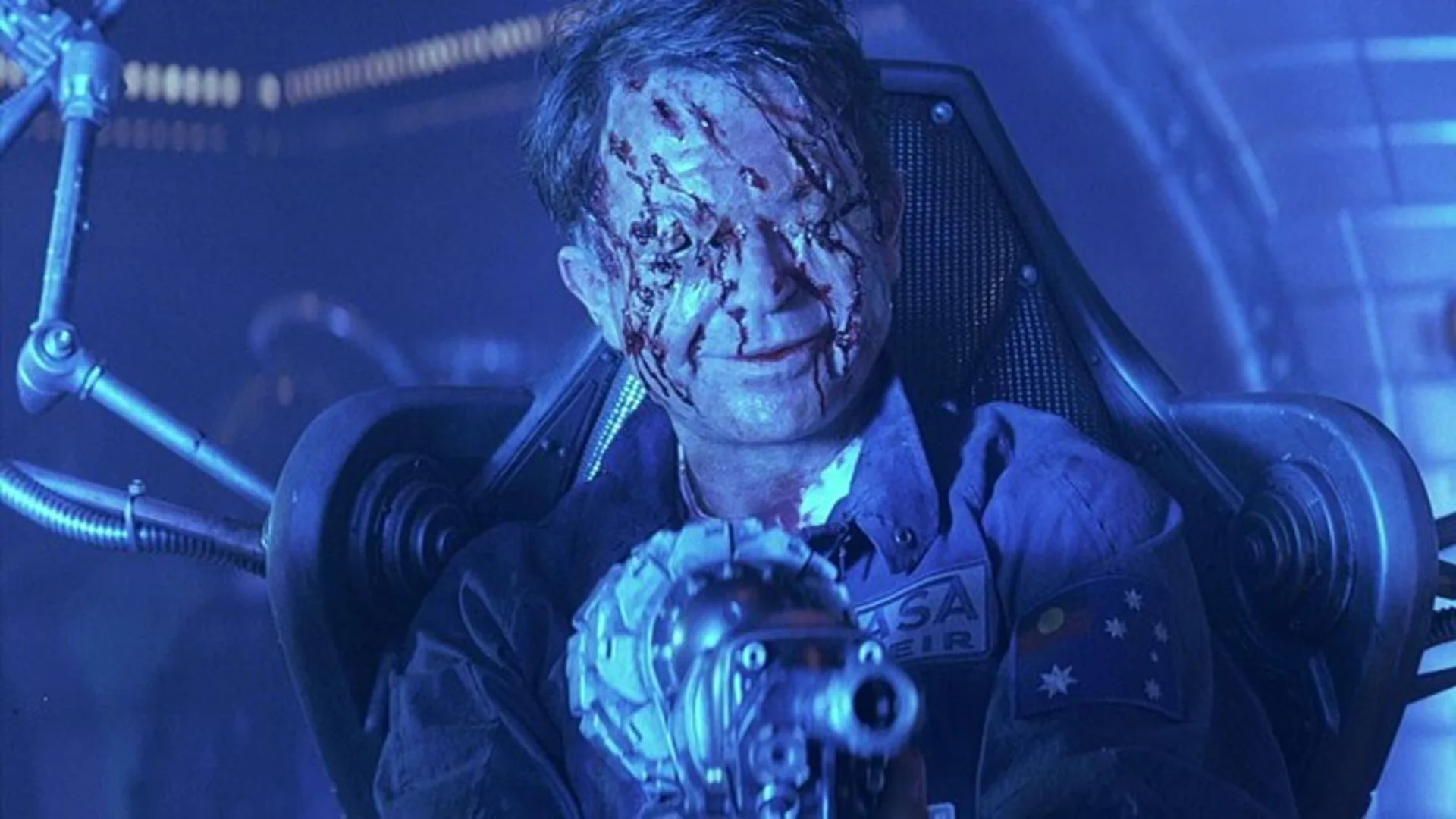
Surprisingly, the number of significant space horror films has dwindled remarkably over the past two decades. It's almost as if audiences collectively decided that *Event Horizon* represented the pinnacle of the genre and shut the door on future entries.
The absence of space horror feels particularly stark against the backdrop of a flourishing horror genre, which has been delivering commercially and critically acclaimed films. Titles like *Get Out*, *Midsommar*, and *It Follows* have catapulted horror into mainstream recognition, earning accolades previously unthinkable for the genre. And yet, none of this newfound success seems to have translated into a renewed interest in space-based horror. What’s the reason?
In Space, No One Can Hear You Scream About Process
The plausibility of this shift might stem from a broader trend where horror storytelling gravitates toward more realistic settings. The A24-driven renaissance in horror hasn't just marked a resurgence; it has delivered a fresh, redefined take on the genre that often conflicts with the tropes of intergalactic settings. This doesn’t indicate an inability to intertwine psychological horror with space, but rather an emerging disinterest in exploring narratives beyond our terrestrial realm.
Moreover, the financial aspect cannot be overlooked. Horror films produced on low budgets, like those from Blumhouse, have generated impressive profits. While crafting space horror isn’t impossible on a reduced budget, it typically requires greater investment in terms of design, effects, and setting. As lucrative avenues emerge within terrestrial horror, the impetus to venture into the expensive void of space diminishes.
Reimagining Horror in Space

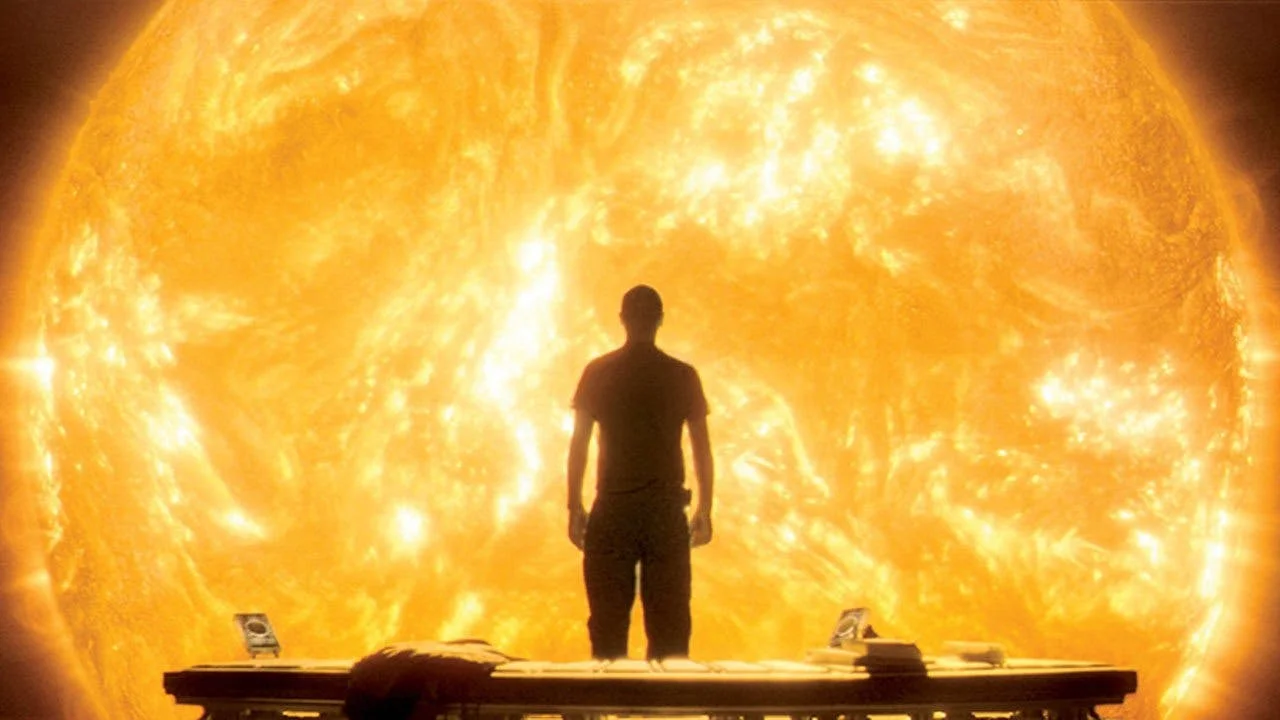
Given the history of sci-fi and horror's commentary on social issues and cultural narratives, it's curious that the arthouse horror movement hasn't explored space more deeply. While films like *Moon* and *The Martian* tackle profound themes, they lack the eerie and unsettling atmosphere traditional horror thrives on.
I’m not saying every space horror endeavor needs to explore highbrow themes. In fact, I'd argue that there's merit in leaning into the trope that horror franchises inevitably go to space. Why not see genres mix in unpredictable ways? A sci-fi spin on *Saw*, or a space-based *Purge* on a colony ship could breathe new life into worn-out narratives, giving audiences fresh thrills. There's ample room for exploration in the void of space that remains unexplored.
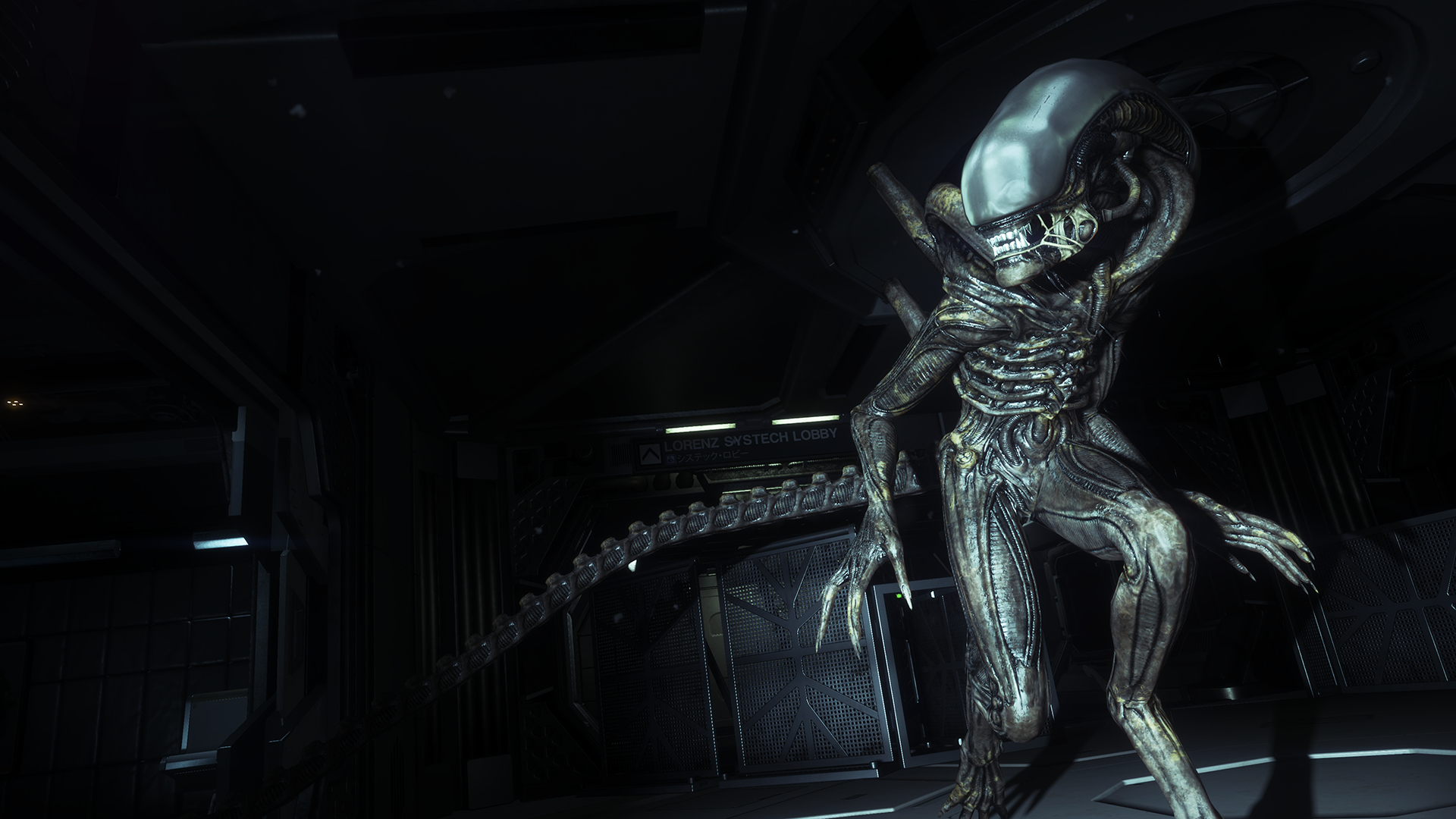
On a positive note for space horror fans, the video game industry seems to have fully embraced this niche. Titles like *Dead Space* and indie projects such as *Iron Lung* exemplify how effectively this intersection has been explored over the years. In fact, *Alien: Isolation* remains a landmark entry in horror gaming, arguably the best output from the *Alien* franchise in recent memory.
While the film industry appears to shy away from the vacuum of space, video games continue to take daring leaps into the unknown and scare players back to reality.