Stay informed on the latest biotech developments by subscribing to our newsletter.
GSK's Recent Setback
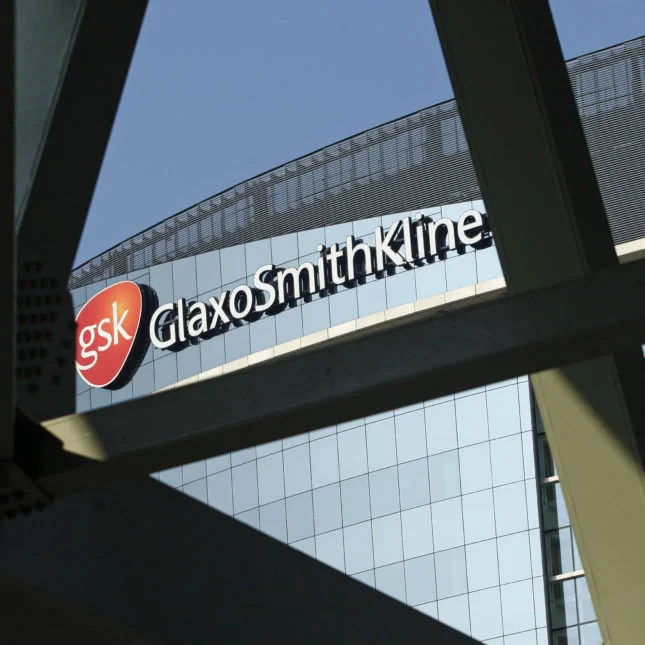
GlaxoSmithKline (GSK) has officially halted the development of its chronic cough treatment. This decision comes after the company faced significant hurdles during clinical trials that ultimately undermined the potential efficacy of the drug. While GSK aimed to provide a solution for patients suffering from chronic cough, the complicated nature of trial results led to this pivotal pause. Chronic cough, often seen as a minor annoyance, can significantly impact quality of life. It's characterized by its persistence—typically lasting more than eight weeks—and is often symptomatic of underlying conditions such as asthma, postnasal drip, or even gastroesophageal reflux disease.
When a pharmaceutical company decides to halt a project, it often reflects broader concerns beyond just one medication. In the case of GSK, this cessation indicates not just a loss of potential revenue but raises important questions around the research and development processes in play. Companies invest millions into developing drugs; when a candidate fails to meet stringent clinical success criteria, it can send shockwaves through the entire project pipeline. And GSK is no stranger to these realities. The decision to cut a treatment from their arsenal could mean re-focusing efforts on more promising avenues, a difficult but sometimes necessary pivot in the face of failures.
Implications for Patients and Market
This development marks a notable setback for GSK and raises questions about future avenues for treatment in this category. Patients who were hopeful for a new option will need to continue relying on existing therapies. Many current treatments lack effectiveness and often come with side effects, leaving an unmet need in the market. The chronic cough market remains a challenging field, characterized by a distinct lack of targeted therapies and high variability in patient responses. Stakeholders will now be looking for indicators of next steps from GSK.
For patients dealing with chronic cough, the absence of new treatments is frustrating. Many live in a cycle of trial and error, seeking relief and often being met with disappointment. What this means for you is a continued reliance on existing drugs, which too often don’t address the root causes or provide adequate relief. The frustration these patients feel isn't just anecdotal; it reflects a concerning trend in drug development for under-researched conditions.
Moreover, from a market perspective, the impact could extend well beyond GSK. Other companies might be discouraged from entering this space, apprehensive about following GSK’s lead into a market perceived as risky. Alternatively, this setback could lead some companies to re-evaluate the therapeutic strategies applied to chronic cough. If anything, GSK's experience serves as a cautionary tale in a highly competitive biopharma environment where the pressure to innovate can sometimes override careful evaluation of a drug's viability.
Expert Insight
Experts have pointed out that GSK's experience reflects broader challenges in drug development, particularly for conditions that are commonly misunderstood or under-researched. The implications of this decision could send ripples through biopharma, prompting companies to re-evaluate their strategies in similar therapeutic areas. For instance, indications that a disease lacks sufficient understanding may lead organizations to pivot resources away from drug development altogether. This often results in a dearth of new treatment options for patients, leading to a stagnated market.
The complexities involved in developing treatments for conditions like chronic cough often stem from the difficulty in identifying underlying causes. Without a clear path to treatment, multiple drug candidates may enter trials only to ultimately yield negative outcomes, much like GSK's recent experience. The clinical trial failures can discourage investment and divert attention to potentially more viable therapeutic areas.
(And this is the part most people overlook.) The significance of GSK's setback extends beyond their individual treatment candidate. It reflects the pervasive uncertainty faced by companies navigating the biopharma landscape. While some companies have emerged victorious with blockbuster drugs, negative outcomes such as GSK's remind stakeholders of the high stakes involved. This situation might shift investment strategies, with companies opting to focus on indications perceived as less volatile or more likely to yield successful outcomes.
Future Outlook and Significance
Looking ahead, GSK's decision could set the tone for discussions around innovation and risk within the industry. It may compel the biopharma sector to rethink methodologies for drug development and patient engagement. An immediate shift could include a reevaluation of clinical trial designs to better accommodate the complexities associated with chronic cough and similar conditions. If you're working in this space, these discussions could be the catalyst for more rigor in research approaches moving forward.
The patient's voice often gets sidelined in clinical development. However, this recent setback might just usher in a period where emphasizing real-world patient experiences becomes a priority. Addressing chronic cough’s multitude of causes means digging deep into the complexity of human health itself—something GSK's challenges remind us is still a work in progress. Investors and biopharma companies alike should stay attuned to shifts in this market, as GSK’s pause on development continues to echo through future therapeutic explorations.
In summary, while GSK's halt in development is disheartening, it serves as a critical lesson. The chronic cough treatment landscape is still filled with potential, yet fraught with questions. With patient needs hanging in the balance, the industry will be watching closely to see how GSK, and others, recalibrate their approaches in the aftermath of this setback.